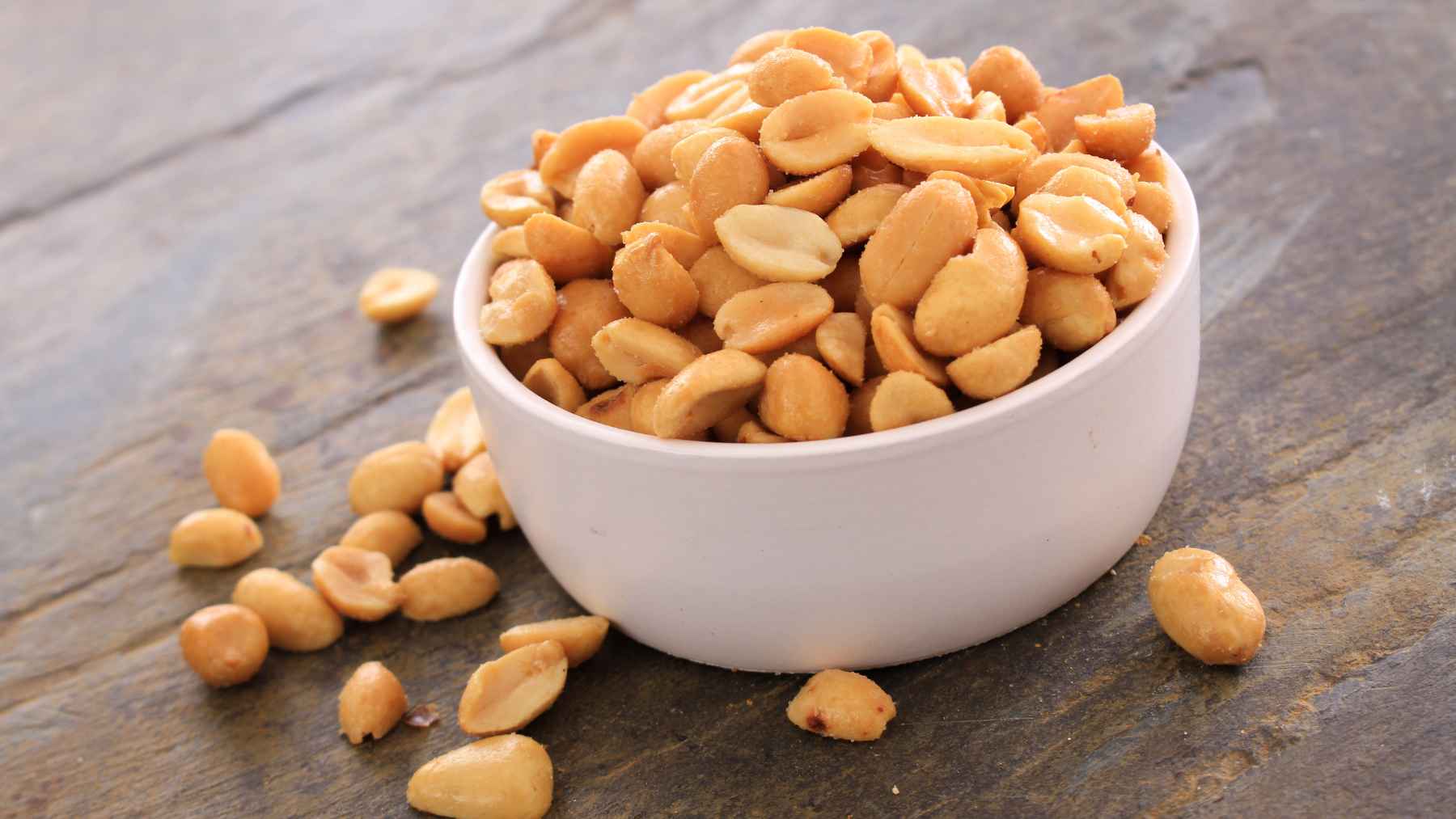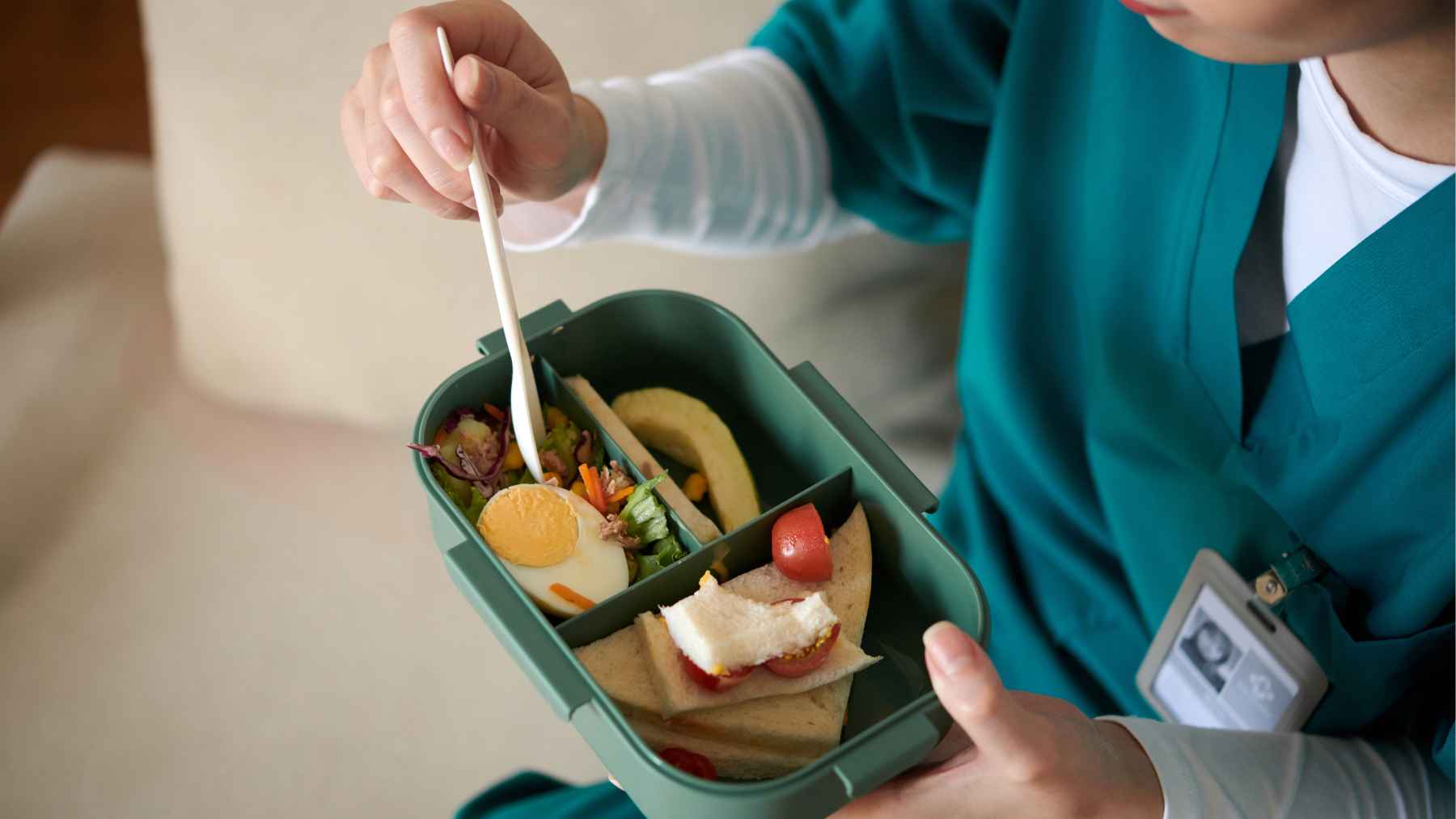
Your job shapes when you can eat, how much you move, and whether lunch happens at a desk, behind a wheel, or between hospital rounds. A banana and almonds may suit a nurse with an interrupted shift, while a delivery worker may need eggs, whole grains, and peanut butter.
Spanish nutritionist Johnny Ondina has organized food ideas around different jobs after more than a decade in elite sports. His point is not that every profession has a magic menu. Movement, stress, food access, and work hours change which choices are most likely to keep energy steady.
Why your job changes the snack
“Optimal eating depends heavily on the kind of work we do,” the author said. Office employees may move little, while some delivery workers cover roughly 6 to 12 miles carrying loads. Warehouse staff face repeated bursts of lifting instead of constant walking.
This approach can be called occupational nutrition, meaning food choices adjusted to a job’s demands and scheduling barriers. It is a practical starting point, not a clinical prescription. Personal health needs still should be considered.
Desk jobs and driving demand restraint
For office workers, the guide favors Greek yogurt with chia seeds, hummus with carrot sticks, or nuts with unsweetened dried fruit. The strategy uses protein and fiber to make a snack more filling without turning a low-movement day into constant grazing. Drinking water first also creates a useful pause.
Food is only part of the answer. The guide suggests moving for two minutes every 45 minutes, while the American Heart Association advises adults to sit less and take short activity breaks. That email can wait for one lap around the room.
Professional drivers spend long hours in one position, often choosing food at gas stations or roadside stops. Chickpea and tuna salad, a whole-grain hummus sandwich, or a spinach egg-white wrap offers more structure than chips and candy. On a quiet highway, boredom can feel like hunger.

A delivery worker rides through the city with an insulated backpack, illustrating one of the professions that benefits from portable, protein-rich meals and snacks.
Active jobs need portable fuel
The author calls delivery workers “endurance athletes who do not see themselves that way.” Chicken wraps, boiled eggs, drinkable kefir, or a banana with peanut butter provide portable carbohydrates and protein. Small meals every two or three hours may beat finishing a route ravenous.
Warehouse and logistics employees lift, squat, and stand throughout the shift. High-protein yogurt, a turkey and spinach sandwich, or an apple with walnuts can support recovery without a heavy lunch. Brown rice, quinoa, or potatoes later can help replace fuel used by working muscles.
Nurses, teachers and standing workers need timing
Health care workers often eat around emergencies, rotating schedules, and emotional strain. Turkey with cherry tomatoes, kefir, a banana with almonds, or roasted chickpeas can fit into a short break. Sometimes the best snack is the one available during five calm minutes.
Teachers spend hours standing, talking, and making rapid decisions. Fruit with protein-rich yogurt, whole-grain sticks with hummus, or cheese with grapes can bridge brief breaks. Regular water also helps when a voice has been working since first period.
Cashiers, retail staff, and hospitality workers may spend eight hours standing, but soreness does not always mean a huge calorie burn. Yogurt with oats, roasted chickpeas, fruit, or cheese sticks can reduce the end-of-shift rebound that turns dinner into a kitchen raid. The aim is steady fuel.
Night shifts change more than appetite
Night workers face the hardest timing problem because circadian rhythm, the body’s 24-hour internal clock, coordinates sleep, appetite, digestion, and glucose control.
The CDC’s National Institute for Occupational Safety and Health advises reducing food between midnight and 6 a.m. when practical and choosing lighter foods when eating is necessary.
A controlled study of 19 adults shows why timing deserves attention. During 14 days of simulated night work, average glucose rose 6.4% among people who ate at night, while daytime eaters had no significant increase. The study was small, but it suggests that timing may matter alongside food choice.
For overnight workers who must eat, the guide suggests kefir, a boiled egg with vegetable sticks, or a small whole-grain wrap with avocado and fresh cheese. This cannot reset a body clock working against the schedule; it is simply a more realistic plan.
Planning beats the perfect snack
No list can account for body size, medical history, sleep, or every workplace, but the framework offers a useful filter. Ask how much you will move, how long you may go without food, and whether the choice will leave you alert or sleepy.
Pack the answer before the shift begins, because hunger makes the nearest option look better than it is. The original report was published in La Voz de la Salud, with the broader approach presented in Salud de élite by Vergara.
The main scientific study related to night-shift meal timing was published in Science Advances.