A genetic test can sometimes reveal a family-linked dementia risk years before memory, language, or behavior begins to change. That sounds like useful knowledge, but what happens when medicine can deliver the warning and still cannot stop the disease?
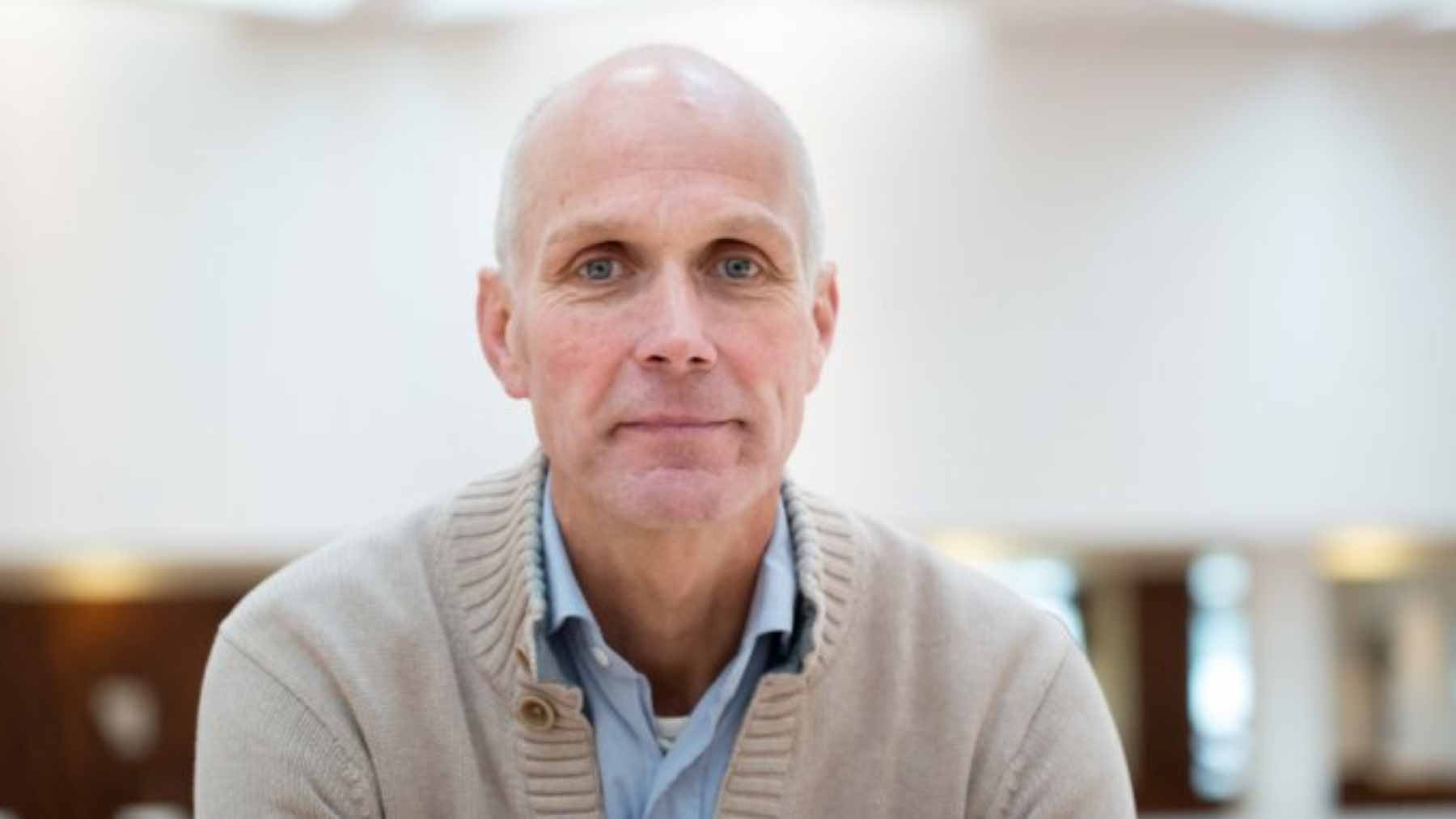
John van Swieten, an emeritus neurology professor and frontotemporal dementia researcher at Erasmus MC in Rotterdam, puts the dilemma plainly, saying, “Most people do not want to know, precisely because there is no treatment yet,” he said in a recent interview.
His point is not that ignorance is safer, but that a result can reshape work, relationships, and ordinary days long before illness appears.
Dementia is not one disease
Dementia is an umbrella term for several brain disorders that gradually interfere with thinking, memory, language, judgment, and daily independence. Alzheimer’s disease is the best-known form, but it is only one part of a much larger picture.
Frontotemporal dementia damages the frontal and temporal areas of the brain, which help regulate behavior, personality, emotion, and language.
Instead of forgetting appointments first, someone may lose empathy, act impulsively, struggle to find familiar words, or misunderstand common concepts. To relatives, the earliest changes can look like stress or a relationship problem.
A result can come decades early
When a harmful genetic variant has already been found in a family, an adult relative may be offered predictive testing before any symptoms appear.
Many inherited forms follow a pattern in which each child has a one-in-two chance of receiving the variant, although the likely age and course of illness can still be uncertain.
For frontotemporal dementia, that uncertainty lands hard because no approved therapy currently slows or prevents the disorder. The result may therefore provide information without offering a medical action. Once known, it cannot be put back in the envelope.
Why many people say no
A 2026 qualitative study led by medical ethicist Charlotte Graafland interviewed 28 Dutch adults from families affected by genetic frontotemporal dementia. Fourteen had been tested, while 14 still faced a one-in-two risk.
The paper also noted that early real-world uptake of predictive testing had been only 7% to 17%.
Participants who hesitated feared depression, constant self-monitoring, and losing the hope that they had escaped the family mutation. Some also worried about work, insurance, or a mortgage. Even a forgotten name or misplaced key may start to feel loaded.
Why others choose to know
For some people, uncertainty is the heavier burden. A negative result can bring relief, while a positive one can shape plans for work, retirement, future care, and the experiences someone does not want to keep postponing.
The information can also guide reproductive decisions. Preimplantation genetic testing, used with in vitro fertilization, can test embryos for a known single-gene condition before transfer to the uterus. The option is medically and emotionally demanding, and access depends on local rules and specialist services.
Counseling is part of the test
Predictive testing should not be treated like ordering a home kit. Genetic counseling explains what the test can and cannot show, how results may affect relatives, and what emotional or practical consequences might follow.
The 2026 study urged counselors to tailor conversations to each person’s age, family experience, and reasons for wanting or avoiding the result. There is no single correct decision. The useful question is whether knowing would change something the person can act on.
New Alzheimer drugs do not solve this dilemma
In the United States, lecanemab and donanemab are approved for certain people with early Alzheimer’s disease and confirmed amyloid in the brain. They can slow decline for some patients, but they are not cures, require careful monitoring, and do not treat frontotemporal dementia.
That distinction matters. A headline about a breakthrough can make dementia sound like one disease that is steadily becoming treatable, but the biology differs from one form to another. For inherited frontotemporal dementia, the gap between prediction and treatment remains.
Research is moving earlier
A long-running risk cohort follows people from affected families with brain imaging, blood tests, cognitive assessments, and sometimes spinal fluid samples.
Researchers are looking for biomarkers, which are measurable clues that reveal when disease-related changes begin before everyday symptoms are visible.
The hope is to identify the best window for preventive treatment and test future drugs before extensive damage occurs. That could make an early genetic result more useful, but no one can responsibly promise when that turning point will arrive.
The right not to know
Medical progress is not only about finding more information. It is also about deciding when information helps and how to support people after it arrives.
The neurologist’s warning is therefore less a rejection of testing than a defense of informed choice. Knowing can help a family prepare, while not knowing can keep a future diagnosis from dominating years without symptoms. For now, both decisions deserve careful counseling rather than judgment.
The full interview was published in De Morgen.