
A large human study in Spain will test whether kefir can measurably change the gut microbiota, the community of microorganisms living in the digestive tract.
According to the official announcement, Activia says the one-year project will include more than 500 participants and will be conducted with Spain’s National Research Council, known as CSIC, with scientific support from Danone Biome.
The key point is the trial has been announced, but results are not yet available, so it cannot currently show that kefir prevents disease or helps people live longer. What it may do is put a popular health claim through a much larger real-world test.
The gut’s hidden ecosystem
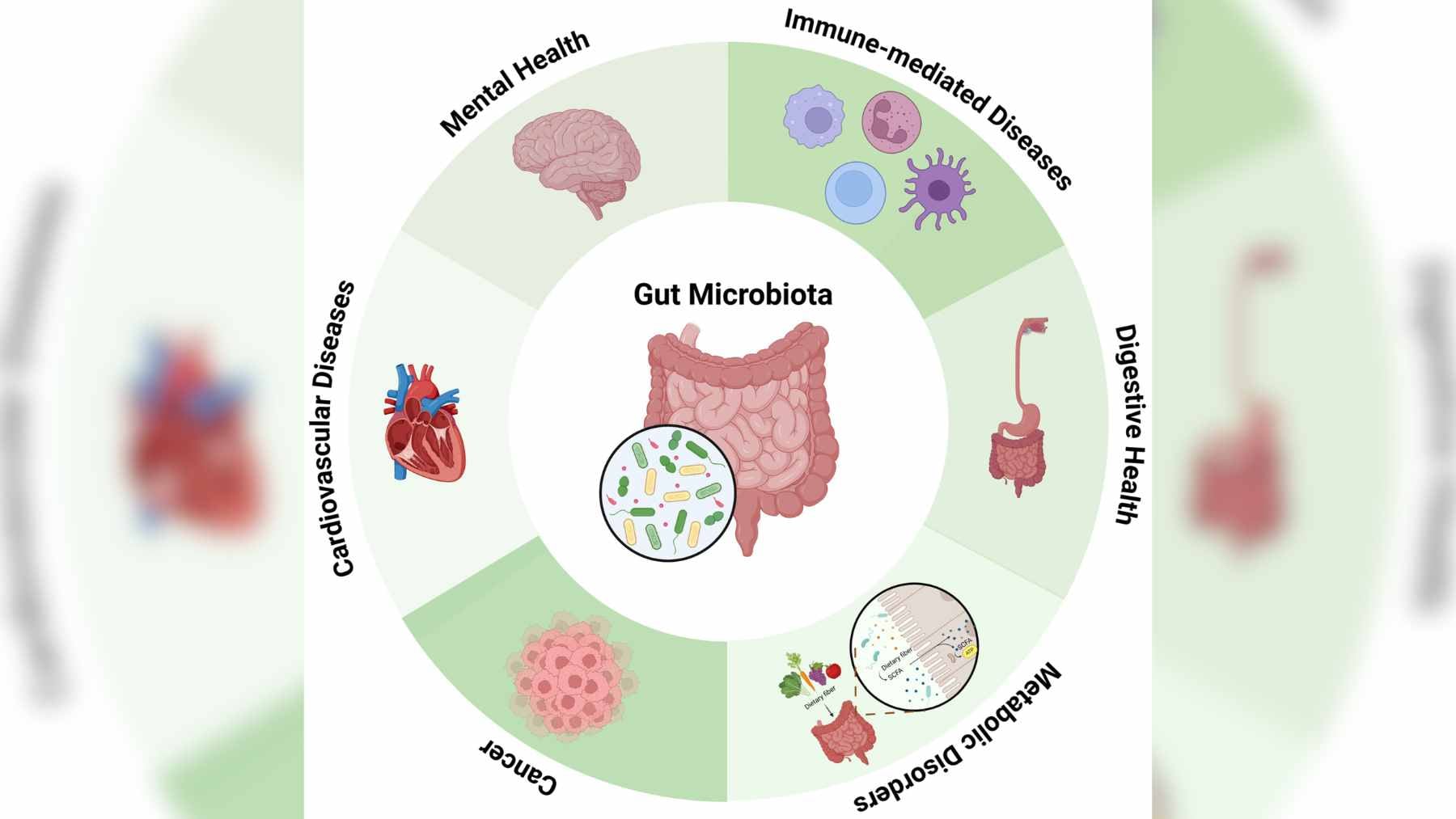
The gut microbiota includes trillions of bacteria, fungi, viruses, and other microorganisms. Together, they help process parts of food, interact with the immune system, produce useful compounds, and send signals beyond the intestines.
Still, there is no single perfect microbial lineup that fits everyone. A 2021 human study found that certain gut microbiome patterns were associated with healthier aging and survival, but an association is not proof that one food caused a longer life. The science is promising, not settled.
What the study will test
The brand describes the project as the largest study of its kind in Spain. Its public announcement gives the planned size and one-year duration, but it does not yet disclose the control group, exact dose, main measurements, or a public trial registration–details that matter.
Any convincing food study needs a fair comparison, clear measures chosen in advance, and enough control over factors such as medication and the rest of a participant’s diet. Otherwise, a change in stool bacteria may be interesting without showing a meaningful health benefit.
Who is behind the work
The study sits within a three-year public-private research agreement signed in March 2026. Its wider agenda covers probiotics, fermented foods, digestive health, healthy aging, diabetes prevention, and the nutritional quality of plant-based products.

Industry involvement does not make a result invalid, but readers should be able to see who funded the work and who controlled its design and analysis. A strong eventual paper should disclose those roles, publish the full methods, and separate findings about one tested product from broader claims about all kefir.
Why kefir stands out
Kefir is usually made by fermenting milk with a mixed community of bacteria and yeasts. Yogurt normally relies on a narrower set of bacterial cultures, which is one example of two products sitting side by side in the dairy aisle that may act differently.
In 2025, Silvia Moriano-Gutierrez and Marta Arroyo’s team at the Institute of Agrochemistry and Food Technology examined 11 commercial kefirs in a laboratory study.
The researchers found major differences in microbial composition and immune-signaling effects in cell models, then stressed that human trials were needed. In other words, “kefir” is not one identical product.
Food may influence gene activity
At a Madrid event that drew more than 150 scientists and communicators, epigenetics and oncology specialist Manel Esteller said, “We cannot change our genes, but we can influence how they behave through what we eat.” Esteller leads a cancer epigenetics group at the Sant Pau Research Institute.
Epigenetics is the study of chemical controls that help switch genes on or off without rewriting the DNA sequence. Think of a dimmer switch rather than a new light bulb. Diet and exercise may influence some of these controls, but a serving of kefir is not a genetic reset button.
Earlier studies offer clues
A 2021 randomized study from Stanford Medicine assigned 36 healthy adults to diets high in fermented foods or fiber for 10 weeks.
The fermented-food group showed greater microbial diversity, and 19 measured inflammatory proteins decreased, although the experiment tested a whole food pattern that included yogurt, kefir, kimchi, and other products.
A separate 2025 randomized trial led by Yejin Choi included 28 healthy young adults, only 13 of whom received kefir. After two weeks, those drinking about 5 fluid ounces a day showed changes in several bacterial groups and computer-predicted routes the microbes use to process nutrients.
The authors also noted the small sample, short duration, and need for larger studies.
Daily habits still carry more weight
Biologist Tamara Pazos highlighted the gut-brain axis, the two-way communication network linking the digestive system and brain. Pharmacist and nutrition communicator Boticaria García focused on everyday food, including beans, fruits, vegetables, and whole grains that provide fiber for gut microbes.
Sleep, regular movement, stress management, and an overall balanced diet also shape health. No shortcut replaces those basics. Kefir may become one useful piece of the picture, but the new study must first show what changes, how large the effect is, and whether it lasts.
The official press release has been published by Danone.