One food keeps returning to cardiologist Anna Bartusiak-Chatys’s kitchen, even after summer tomatoes disappear from local stands. She eats them fresh in season, then cooks and preserves sauce for colder months.
Her reason is lycopene, the red plant pigment that has drawn attention for possible heart and blood vessel benefits.
The headline may sound like another superfood promise, but her real message is broader. Tomatoes sit inside a Mediterranean-style pattern built around vegetables, fruit, beans, whole grains, fish, nuts, and olive oil.
Research supports that overall pattern much more strongly than it supports any claim that one food can prevent a heart attack.
Tomatoes all year
In an English translation of her social media post, the physician said, “In season, tomatoes are my main food.” She added that lycopene-rich tomato sauce becomes the base of her winter meals after she cooks and jars the seasonal crop.
Lycopene is a carotenoid, a natural pigment that gives red tomatoes their color. It also acts as an antioxidant, meaning it can help limit damage caused by unstable molecules in the body.
A clinical review found that cooking tomatoes and serving them with fat, such as olive oil, generally makes lycopene easier for the body to absorb.
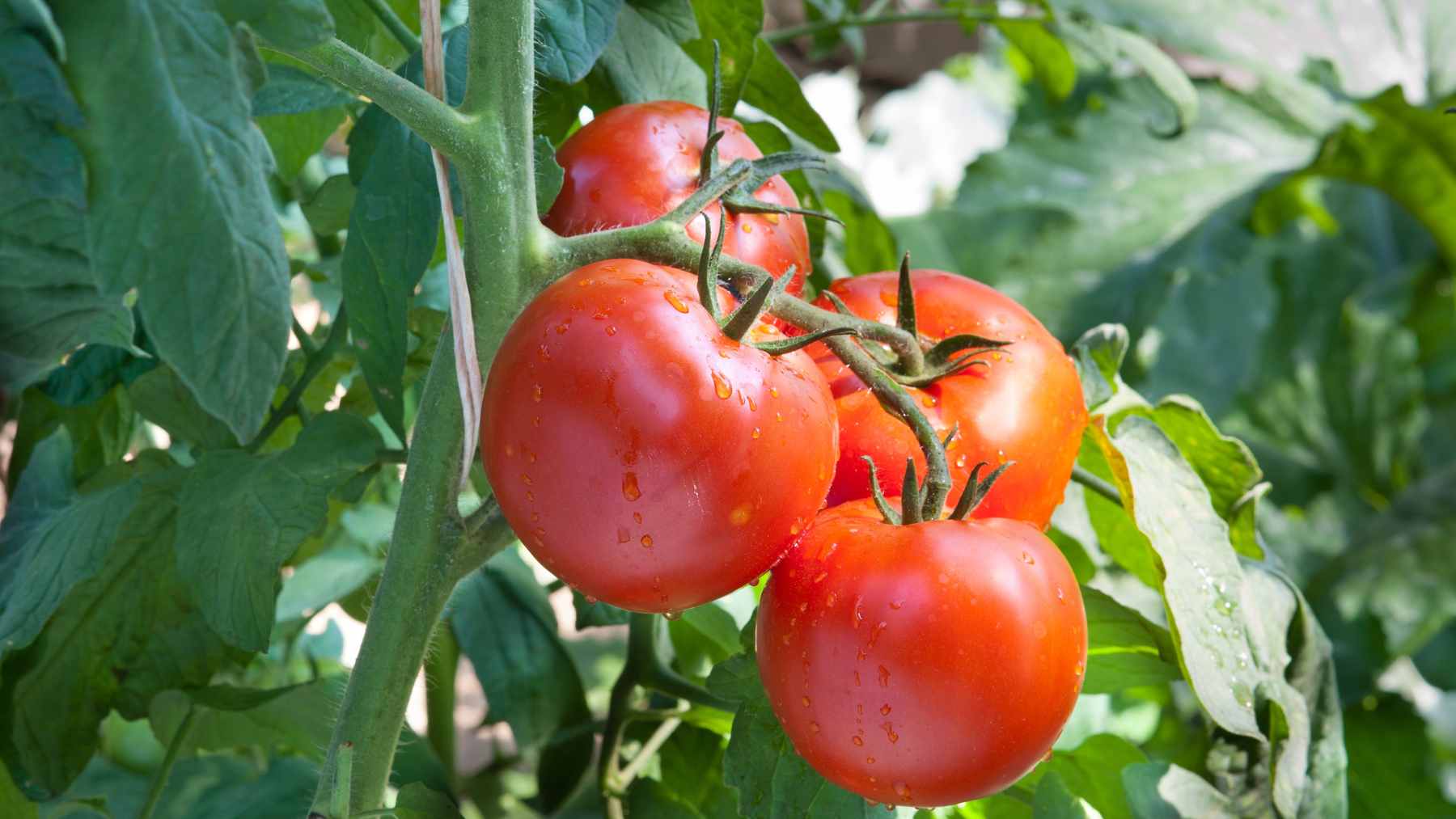
Does that make tomato sauce heart medicine? No. Earlier research reported possible improvements in blood pressure and cholesterol, but a 2023 meta-analysis found no consistent overall effect on most cardiovascular risk factors.
Tomatoes are better understood as one useful part of a healthy diet, not a treatment or guarantee.
The pattern matters
A Mediterranean-style diet is not a rigid menu from one country. It is a way of eating that emphasizes mostly plant foods, olive oil as a main fat, and moderate amounts of fish and poultry. Red meat, sugary drinks, refined grains, and heavily processed foods appear less often.
The strongest evidence comes from the corrected analysis of the PREDIMED trial, coordinated by Ramón Estruch at the University of Barcelona. Researchers followed 7,447 Spanish adults at high cardiovascular risk for nearly five years.
The Mediterranean groups had a rate of major events such as heart attack, stroke, or cardiovascular death that was about 30% lower than the comparison group.
That result does not prove that olive oil, nuts, or tomatoes work alone. The advantage came from a complete eating pattern, repeated day after day. That is where the real lesson sits.
Olive oil and nuts
The cardiologist also makes room in her budget for high-quality olive oil. “After fish, it is the second most expensive product in my kitchen,” she said, adding that she does not skimp on it because of its health benefits.
Olive oil and nuts provide unsaturated fats. Replacing some saturated fat from butter, fatty meat, and similar foods with unsaturated fat can help lower LDL cholesterol, the type that contributes to plaque in arteries. That is a swap, not permission to pour oil without limits.
In everyday terms, it might mean olive oil on roasted vegetables or a small handful of unsalted nuts instead of candy at your desk. Simple choices are often the ones that survive a busy Tuesday.
What to limit
She recommends cutting back on red meat and avoiding sugary drinks, added sugar, and highly processed products. The broad direction matches current heart-health guidance, which favors minimally processed foods and protein from plants, fish, and lean meat. Still, the word “processed” needs some care.
Canned tomatoes, frozen vegetables, plain yogurt, and whole-grain bread are processed, too. The bigger concern is ultra-processed food, though even that category contains products with different nutritional qualities.
A basic tomato sauce made with tomatoes, olive oil, herbs, and little salt is not the same as a packaged snack loaded with sodium, added sugar, or saturated fat.
For her, the setting matters, too. She says meals should be eaten slowly and calmly rather than treated like another task to finish. Dinner does not need to feel like a race.
Putting it into practice
In practical terms, build the plate before chasing a superfood. Start with vegetables, add beans or whole grains, include fish or another lean protein when desired, and use liquid plant oil in place of butter more often.
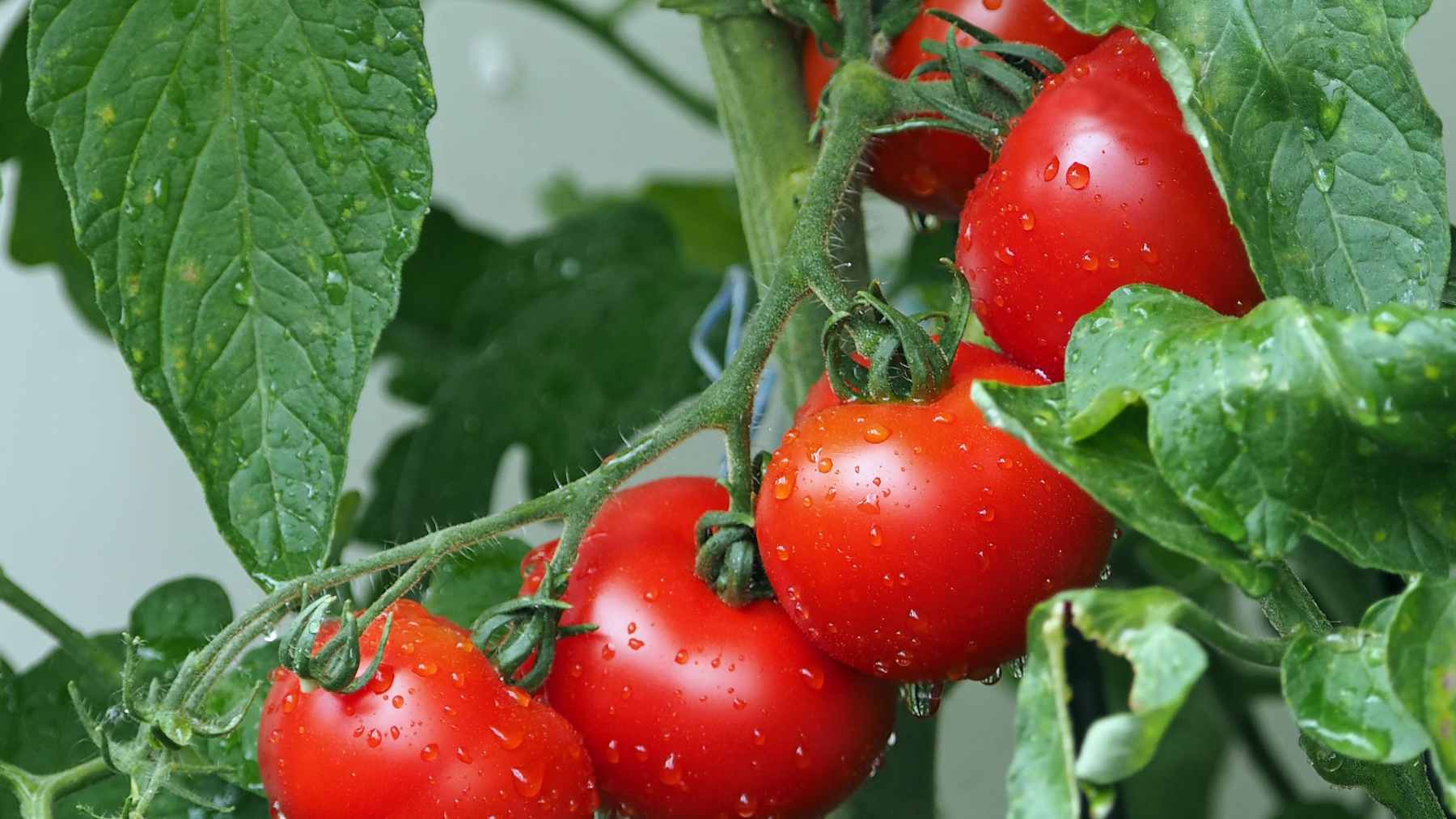
Tomatoes can be fresh, roasted, or simmered into sauce and frozen in meal-size containers.
Check canned tomato products for sodium and added sugar, especially if they will become a weekly pantry shortcut. Fresh, frozen, canned, and dried produce can all fit into a healthy diet when salt and sugar are kept in check.
Anyone managing a medical condition should adapt the plan with a clinician or registered dietitian.
At the end of the day, the useful lesson is not to crown tomatoes as a cure. It is to build a repeatable pattern in which tomatoes, olive oil, nuts, legumes, and fish make the healthier choice feel normal.
The main PREDIMED study was published in The New England Journal of Medicine.