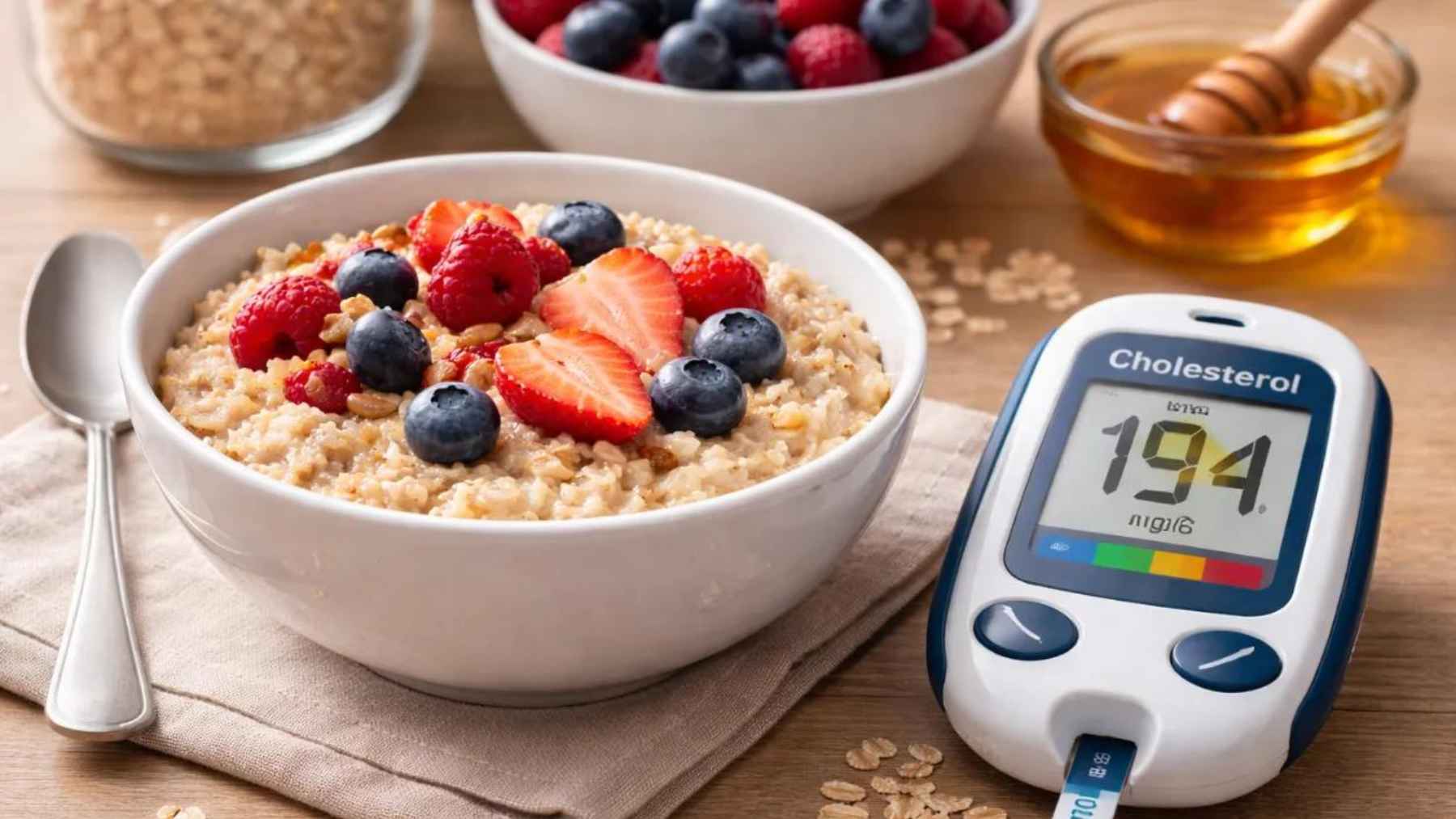
When a cholesterol test lands in your patient portal, LDL is usually the number that gets the spotlight. Yet a new economic simulation suggests that apolipoprotein B, better known as apoB, may sometimes offer a more useful guide for intensifying treatment before a first heart attack or stroke.
The reason is simple. LDL estimates how much cholesterol is being carried, while apoB gives a closer count of the particles carrying it. Two people can therefore have similar LDL readings but a different number of potentially harmful particles moving through their blood.
What the researchers tested
The analysis was led by Samuel Luebbe and included Allan Sniderman, Andrew Moran, John Wilkins, and Ciaran Kohli-Lynch, working across Northwestern University Feinberg School of Medicine, McGill University Health Center, and Columbia University Irving Medical Center.
Their computer model represented 250,000 statin-eligible U.S. adults who had no diagnosed atherosclerotic cardiovascular disease.
That is primary prevention, meaning treatment begins before a person has a heart attack, stroke, or another event caused by clogged arteries. The simulated group was built from health data on 4,149 participants in a national U.S. survey conducted between 2005 and 2016.
After blood lipid screening, the model intensified treatment with a stronger statin or ezetimibe when a target was missed. The cutoffs were 100 mg/dL for LDL, 118 for non-HDL cholesterol, and about 79 for apoB. It then projected lifetime health outcomes and costs in 2025 dollars.
Why apoB tells a different story
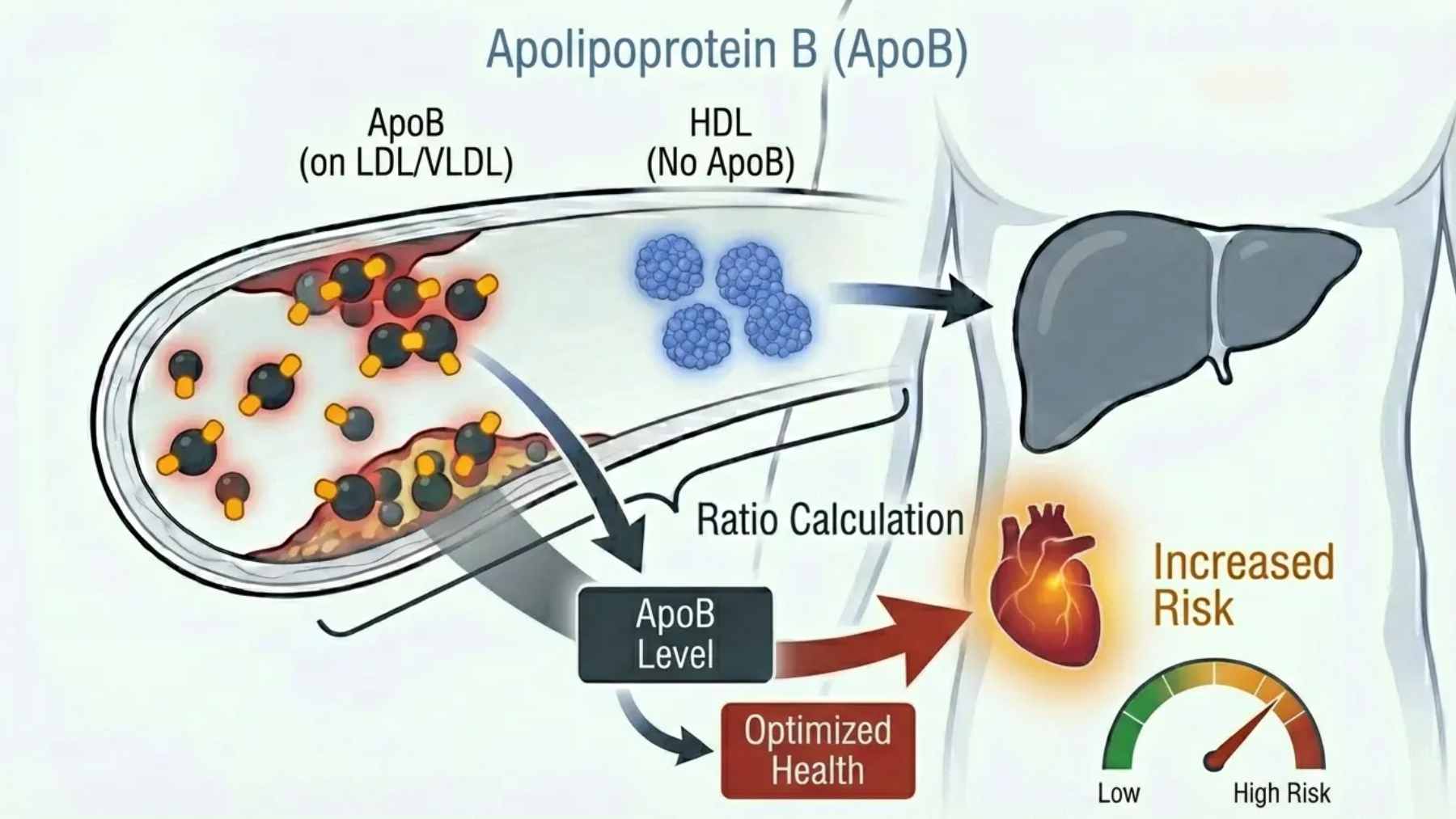
LDL measures the cholesterol inside low-density lipoprotein particles. ApoB is a protein found on each major particle that can promote atherosclerosis, the slow buildup of fatty plaque inside artery walls.
Think of cholesterol as cargo and the particles as delivery trucks. LDL tells you roughly how much cargo is on the road, while apoB helps estimate how many trucks are making the trip. More trucks can mean more chances for harmful material to enter and become trapped in an artery.
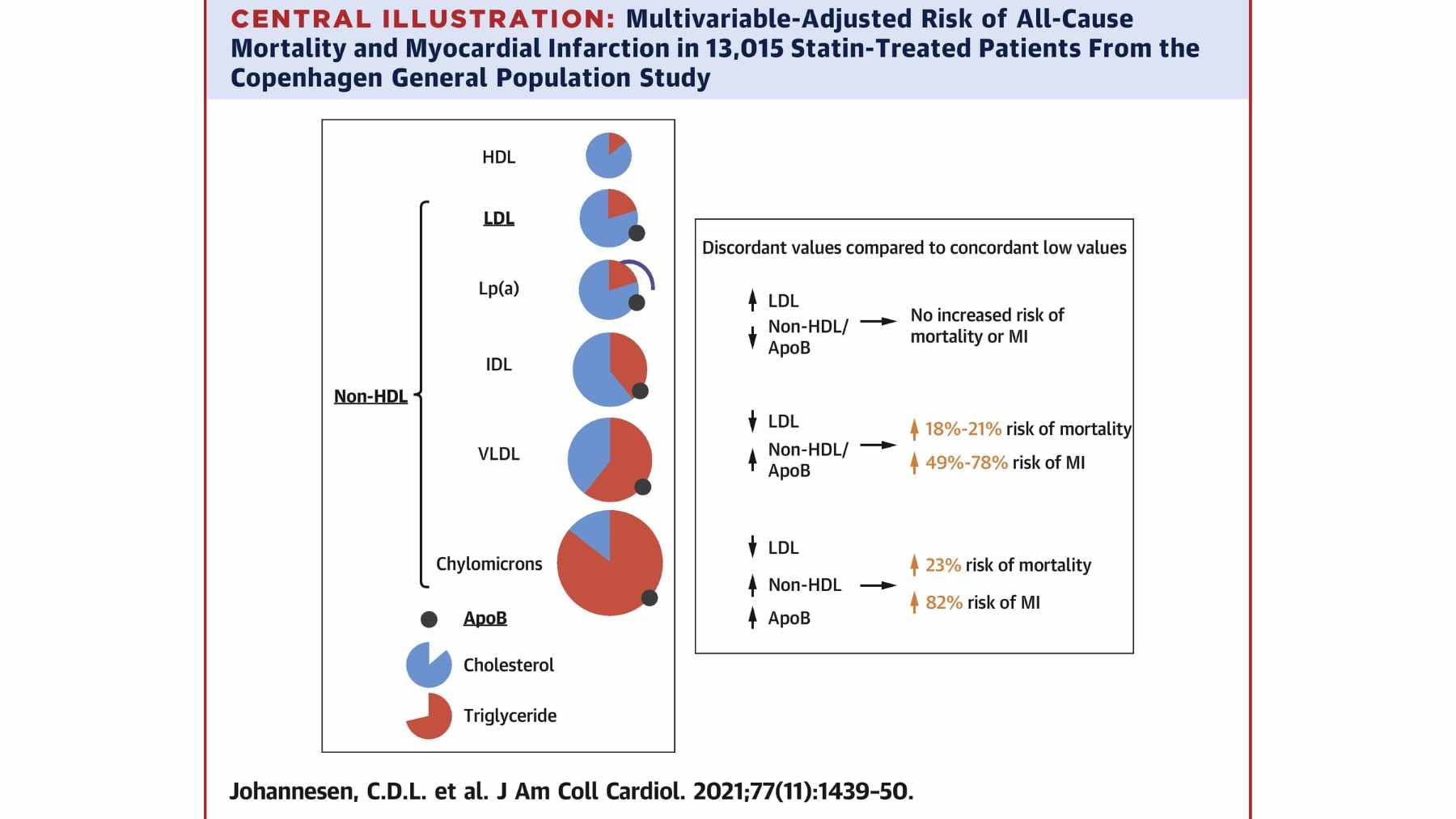
This gap is not just theoretical. A 2024 study found a wide spread of apoB values among people with the same LDL level, including adults without obvious metabolic problems. In everyday terms, a reassuring LDL result may not always show the full traffic pattern.
What the model found
Non-HDL cholesterol performed slightly better than LDL alone. Across the simulated population, using the non-HDL goal added 965 quality-adjusted life-years and reduced total costs by about $2.1 million compared with the LDL strategy, although the uncertainty around those estimates was wide.
A quality-adjusted life-year combines added survival with the quality of that time. Compared with non-HDL cholesterol, the apoB strategy added another 1,324 quality-adjusted life-years and increased costs by about $40.2 million.
That worked out to roughly $30,300 for each additional quality-adjusted life-year.
The researchers used $120,000 as their cost-effectiveness cutoff, and apoB was the preferred strategy in 65% of repeated simulations. The authors wrote that apoB “can be used as a cost-effective marker” for guiding primary prevention.
Why the higher cost was not the test
The apoB blood test itself added very little to the bill in the model. Most of the extra spending came from a less obvious source.
People projected to avoid cardiovascular events lived longer and remained on preventive treatment for more years. In other words, the model spent more partly because it kept people alive and receiving care.
That is a familiar tension in health economics, where a successful strategy can raise lifetime medical spending even when the test behind it is inexpensive.
What it means for patients
This study does not mean everyone should rush to request apoB testing. A standard lipid panel still provides valuable information, and LDL remains a central treatment target in the 2026 U.S. cholesterol guideline.
In practical terms, apoB may be worth discussing when the usual numbers and a person’s wider risk profile do not seem to match. That can include people with diabetes, high triglycerides, kidney or metabolic disease, or lingering concern despite reaching LDL and non-HDL goals.
High blood pressure, smoking, age, kidney health, and a family history of early heart disease still matter–one number cannot carry the whole diagnosis. Treatment decisions should be made with a health professional, and no one should change a statin or add medication based on this simulation alone.
Limits that matter
The researchers did not assign real patients to LDL, non-HDL, or apoB treatment strategies and follow them for decades. They used a computer model fed by national survey data, long-term cohort studies, drug effects, costs, and assumptions about future events.
That means the findings depend on how well the model reflects real life. Medication adherence, drug prices, clinical practice, and cardiovascular risk can all differ, especially outside the United States.
So, is LDL suddenly unimportant? No. The sharper takeaway is that cholesterol risk may be better understood by looking at both the amount of cholesterol and the number of particles carrying it, particularly when the two measures disagree.
The full study was published in JAMA.