Cardiovascular disease is still the world’s leading cause of death, and most of those deaths are tied to heart attacks and strokes. That is why the debate over cholesterol drugs is not just another online health argument.
It can change whether a person starts treatment, keeps taking it, or shows up years later in an emergency room.
New cholesterol guidance released in March 2026 has made that discussion louder. The American Heart Association and American College of Cardiology updated how doctors should estimate risk, but the core message did not flip.
Statins remain central for many people at risk, especially when “bad cholesterol” stays high after lifestyle changes or when a patient’s risk is already moderate or high.
The warning from cardiologists
Oscar Cingolani, an Argentine cardiologist at Johns Hopkins University and associate director of the Coronary Care Unit at Johns Hopkins Hospital in Baltimore, says the danger is not the guideline itself. The danger is the way some people may read it as permission to delay treatment.
“There are no drugs in recent history that have lowered cardiovascular mortality, heart failure, acute heart attacks, and strokes the way statins have,” he said. His concern is blunt. People who postpone treatment because of fear may return years later with a preventable heart attack or stroke.
What changed in the guidance
The new document puts more weight on personalized risk. A tool called PREVENT-ASCVD can estimate a person’s 10-year and 30-year risk of heart attack or stroke in adults ages 30 to 79 who have no known cardiovascular disease and whose LDL cholesterol is in a defined range.
Why does that matter? Older calculators could overestimate 10-year risk by 40 to 50 percent, according to the update. In practical terms, doctors now have a better way to decide who needs lifestyle changes alone and who may need medicine sooner.
Why LDL is the target
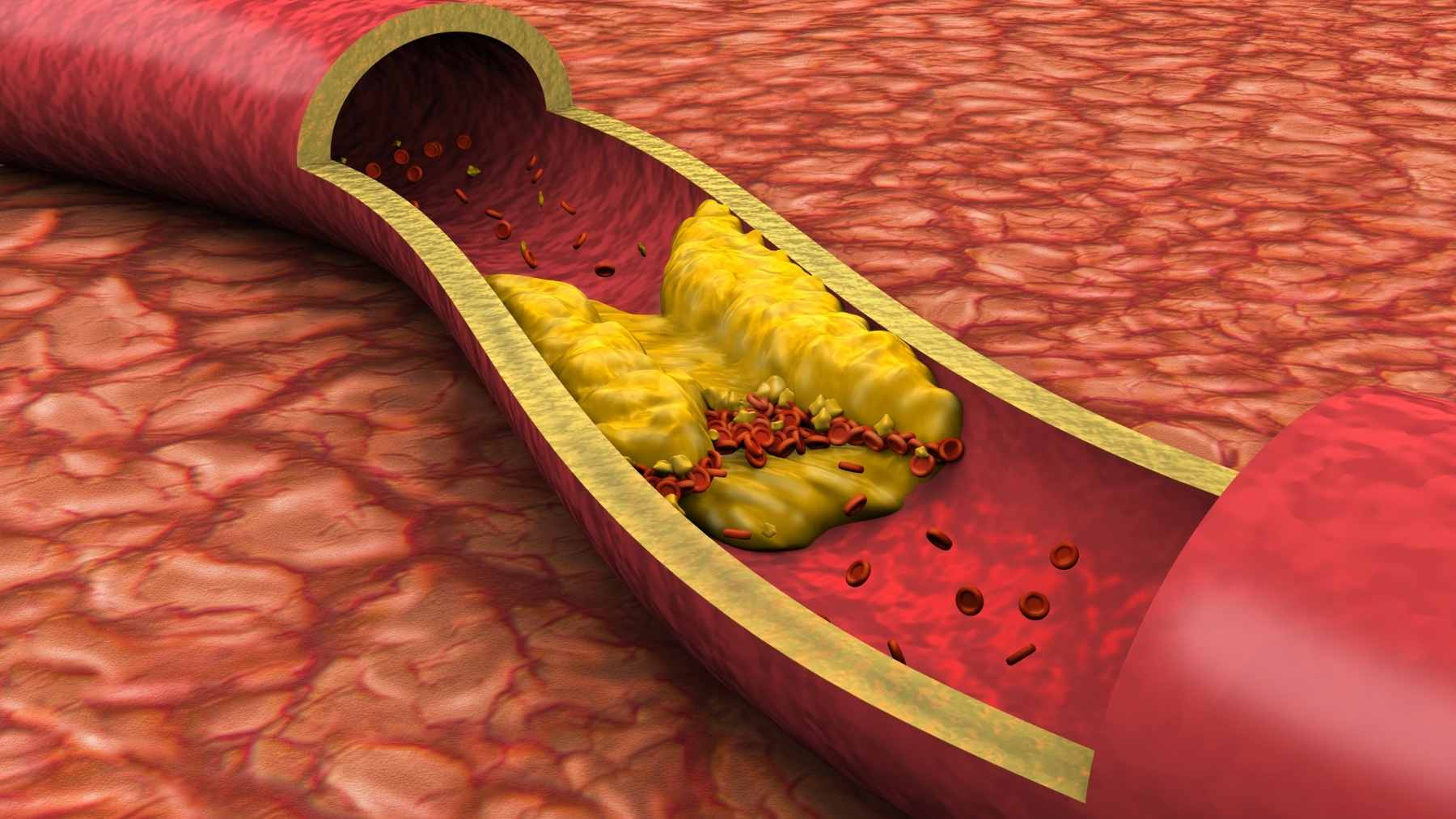
LDL cholesterol is often called “bad cholesterol” because it helps build fatty plaques inside artery walls. Think of it like residue slowly narrowing a pipe. Over time, that buildup can limit blood flow and cause chest pressure or shortness of breath during activity.
The bigger fear is sudden plaque rupture. When a plaque breaks open, a clot can form and block blood flow to the heart or brain. That is where a quiet lab number can turn into a heart attack or stroke.
Statins still come first
The updated guidance does not replace statins with newer drugs. It says statins remain the foundation of cholesterol-lowering treatment when medication is needed, along with daily habits such as a heart-healthy diet, physical activity, weight control, sleep, and avoiding tobacco.
If LDL cholesterol stays too high, doctors may add other medicines. These include ezetimibe, bempedoic acid, or certain PCSK9 drugs, depending on the patient’s risk and tolerance. The point is not to treat everyone the same. It is to lower risk early enough to matter.
The myths patients hear
Statins can cause side effects, like any medication. But serious side effects are uncommon, and major reviews have found that the benefits usually outweigh the risks for patients with a clear medical reason to take them.
That does not mean people should ignore symptoms. It means they should talk to a clinician before quitting.
Cingolani says he often sees patients convinced statins cause dementia, depression, or most of the discomfort they feel. He also pushed back on the claim that statins are mainly a “Big Pharma” product, noting that many are now inexpensive generic drugs made by multiple manufacturers.
The calcium scan question
One part of the new guidance has also drawn attention. Coronary artery calcium scans can help refine risk in selected people when the decision about starting a statin is unclear. They look for hardened, calcified plaque in the arteries that feed the heart.
But a calcium score is not a crystal ball. Cingolani warned that the test mainly detects hard plaque and may miss softer plaques that can still rupture. That is especially important in some younger patients, where dangerous plaque may not yet be calcified.
So, can a score of zero justify stopping statins? Not for many patients. According to Cingolani, the test is most useful in a narrow group with mildly elevated cholesterol and intermediate risk who are unsure about starting medication, not in people already taking statins for strong medical reasons.
What patients should do now
For most people, the practical message is simple. Know your numbers, ask about your long-term risk, and do not stop cholesterol medicine without medical advice. The same goes for starting treatment. It should be a decision made with a health professional, not a comment thread.
At the end of the day, the new guidance is not a retreat from statins. It is a more detailed map for using them wisely. For patients at real cardiovascular risk, that may be the difference between prevention and a crisis.
The official guideline has been published in JACC and Circulation.