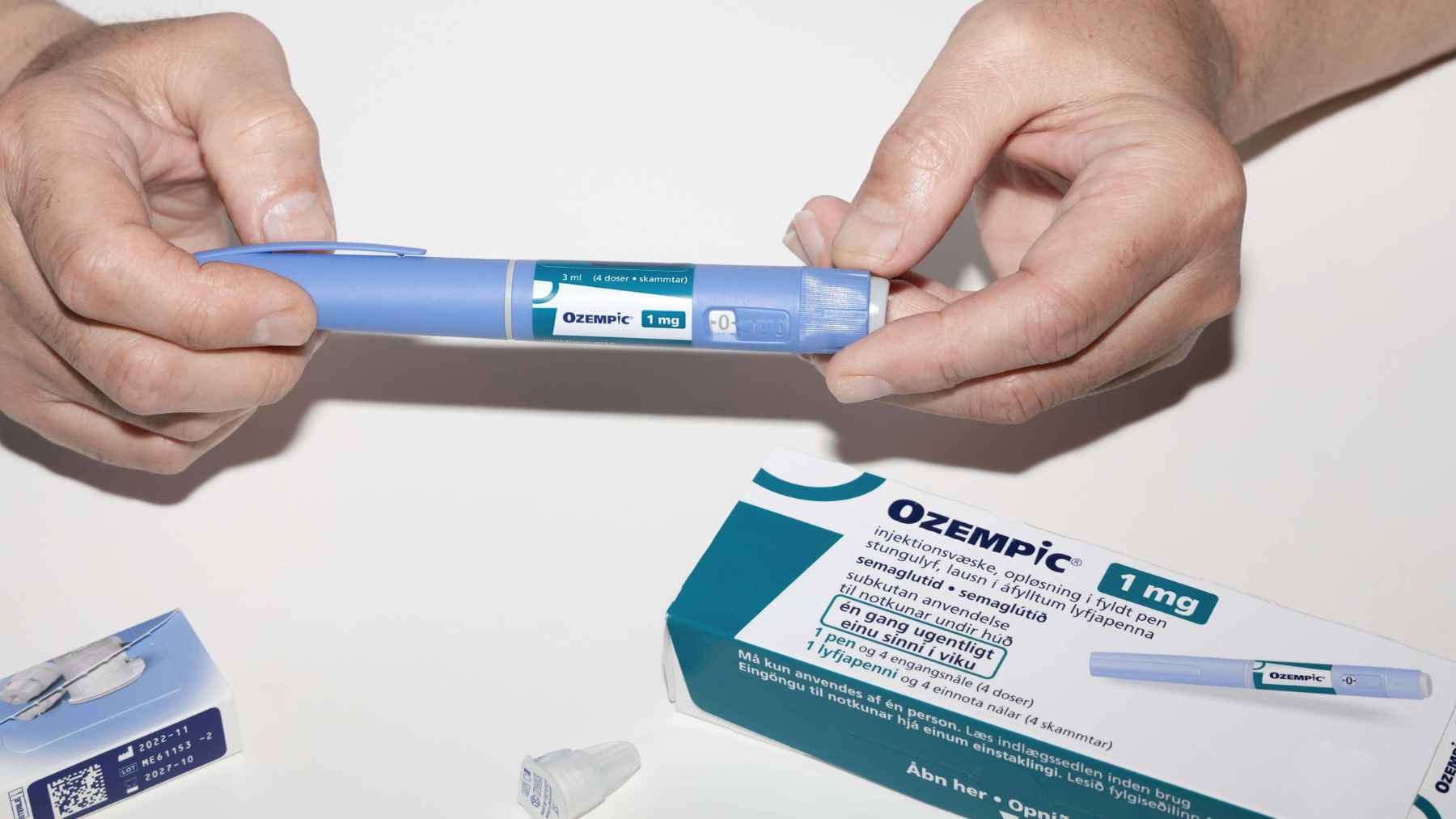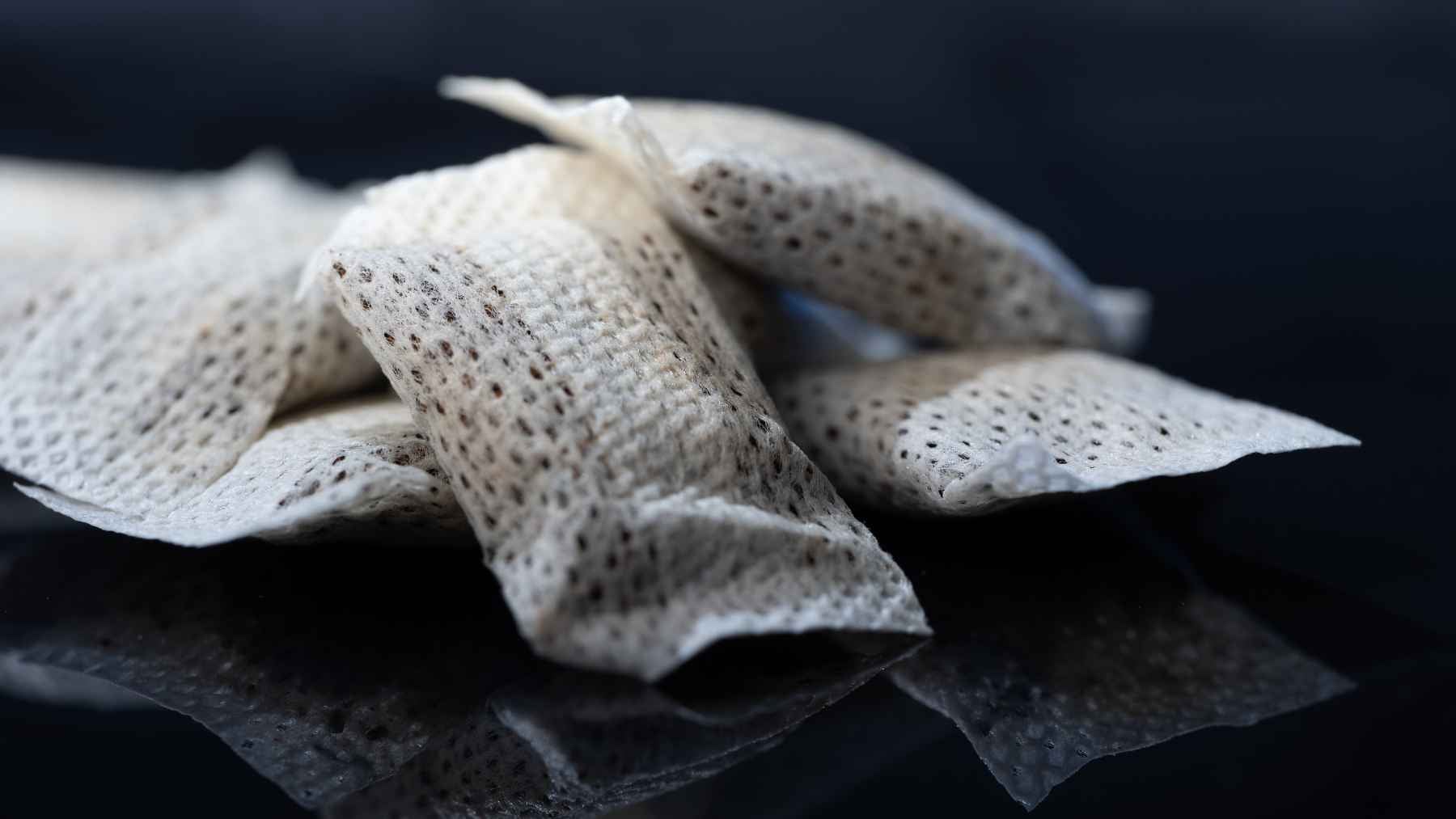
Across social media, videos frame nicotine pouches and patches as shortcuts to sharper focus, less stress, and better workouts. A recent German fact-check found a much less flattering reality. Any mental lift is usually modest and brief, while tolerance, dependence, and health risks can last much longer.
That matters because smokeless products do not carry the smell or visual stigma of cigarettes. The cleaner image can make nicotine look like a wellness aid, even though it remains an addictive drug. Doctors interviewed for the review warn nonusers not to start for concentration, fitness, or productivity.
Nicotine gets a makeover
Bavarian influencer Thomas Frohnert, known as “Steamshots,” has said nicotine is “not a neurotoxin, but a stimulant.” He told the fact-check team that his content is meant to reduce harm among existing users, not recruit newcomers, and that his main income comes from outside the vaping and tobacco industry.
Prominent U.S. figures have echoed that reset. Television host Tucker Carlson and Health and Human Services Secretary Robert F. Kennedy Jr. have spoken favorably about nicotine or nicotine pouches.
Andrea Rabenstein of LMU University Hospital Munich pushed back, saying, “There is no such thing as healthy nicotine. Nicotine itself is a neurotoxin.” In simple terms, that means it can interfere with the nervous system.

The focus boost fades
Nicotine binds to brain receptors involved in attention, reward, and other functions. It can temporarily influence concentration and reaction time, but a meta-analysis found that any gains are limited to certain tasks and do not amount to a broad improvement in learning, health, or everyday performance.
Regular exposure changes the equation. The brain adapts, and users may need more nicotine to get the same sensation or simply to feel normal. When nicotine is absent, withdrawal can bring restlessness, discomfort, nausea, or headaches, turning the productivity trick into maintenance.
Sports evidence stays weak
Nicotine appears in some sports through pouches, patches, and snus, a smokeless tobacco product placed under the upper lip. Malina Kleine, a competitive athlete who works in tobacco dependence care, said studies in certain sports have found use among roughly 19% to 56% of athletes.
Does it actually improve performance? A Sports Medicine review examined 10 studies of strength, power, endurance, or intense exercise.
Two reported a benefit, one found worse performance, and seven found no change, while differences in dose, delivery method, tolerance, and study design made a firm conclusion difficult.
The World Anti-Doping Agency monitors nicotine during competition in 2026 but does not ban it. Wilhelm Bloch of the German Sport University Cologne said there is no clear performance gain. Nausea, dizziness, narrowed blood vessels, and extra strain on the heart can also work against an athlete.
Pouches may hit hard
Tobacco-free pouches look small and discreet, but some deliver large doses. Research involving the German Federal Institute for Risk Assessment found that at least half of the nicotine in a pouch may be absorbed.
In a small crossover study of 15 regular smokers, one high-dose pouch produced blood nicotine levels above those seen after a cigarette, with a similarly fast rise linked to addiction risk.
The dose also varied widely between products, making strength hard to judge by appearance. The institute identified children, teenagers, nonusers, pregnant people, and those with cardiovascular disease as groups of special concern.
An industry association contacted for the report said pouches are meant for adults and called for clear rules and firm youth protections.
Nicotine carries its own risks
Cigarettes bring much greater toxic exposure because burning tobacco creates tar and many harmful chemicals. Still, removing smoke does not turn nicotine into a health supplement. The drug can narrow blood vessels, raise heart rate and blood pressure, and increase the heart’s demand for oxygen.
Nicotine poisoning may begin with nausea and vomiting. Higher exposure can cause diarrhea, heavy salivation, a slowed heartbeat, seizures, or dangerously reduced breathing. The possibility of severe poisoning shows why “natural” does not mean safe.
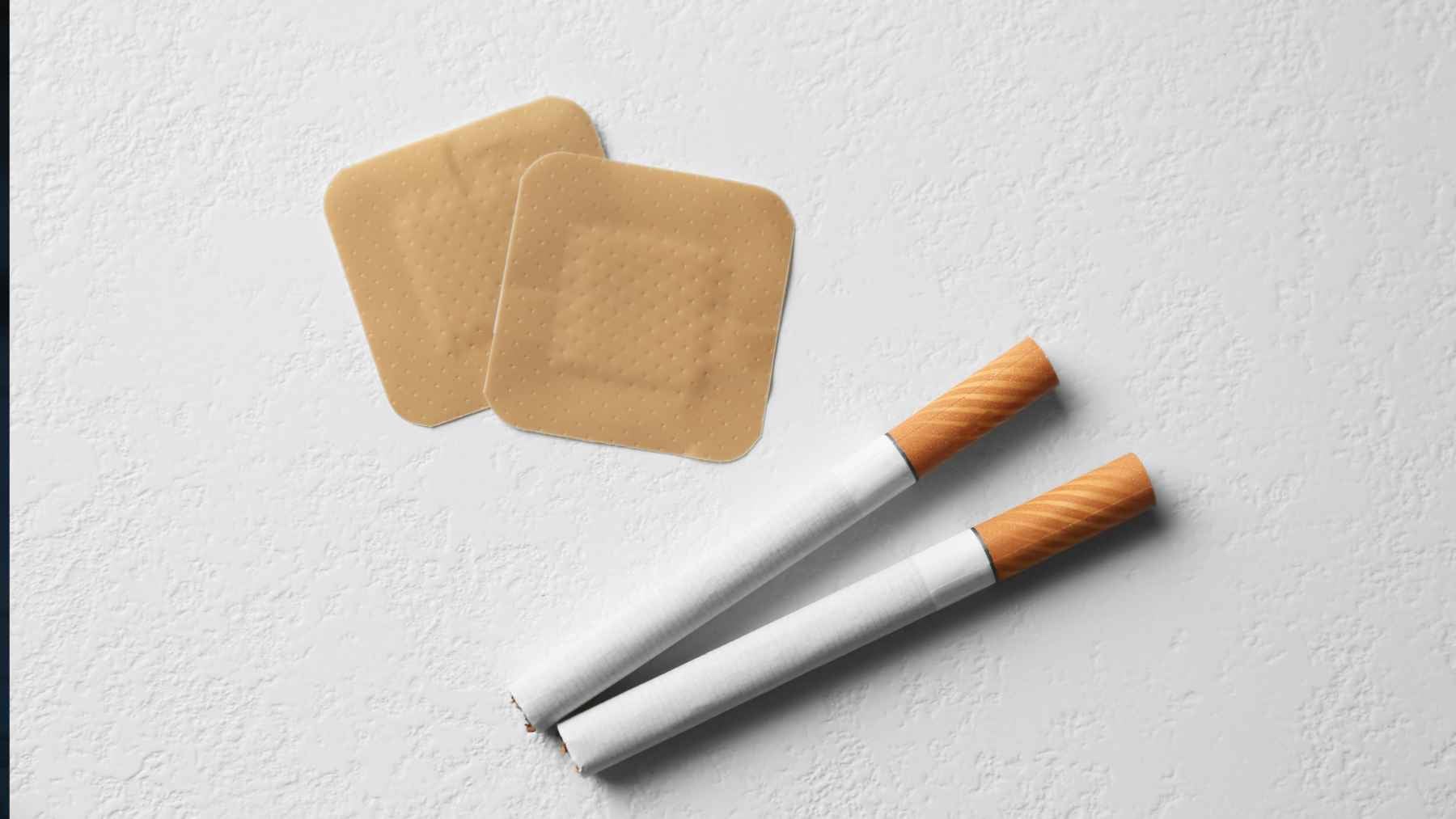
Patches require an important distinction. They are designed as controlled nicotine replacement for people trying to quit smoking, not as wellness tools for nonusers. Their slower delivery generally lowers addiction risk compared with cigarettes or strong pouches, but tolerance can still develop.
The performance hack fails
For the most part, the evidence supports a narrow conclusion. Nicotine may briefly sharpen selected aspects of attention, but it is not a proven route to greater strength, endurance, or overall performance. With repeated use, the goal can shift from getting a boost to avoiding withdrawal.
A cleaner package changes how nicotine looks, not how addiction works. Medically directed nicotine replacement for quitting cigarettes is a different use from starting pouches or patches for a better workout or a more productive afternoon.
The fact-check by Sophie Rohrmeier was published by BR24’s #Faktenfuchs.