One leading biologist keeps asking how cancer survives every treatment we throw at it, and the answer could change how we beat it
Cancer can return after a drug appears to be working. Mónica Bettencourt-Dias believes the answer may lie in cellular heterogeneity, the fact that a tumor is not one uniform enemy but a mixed population of cells with different traits.
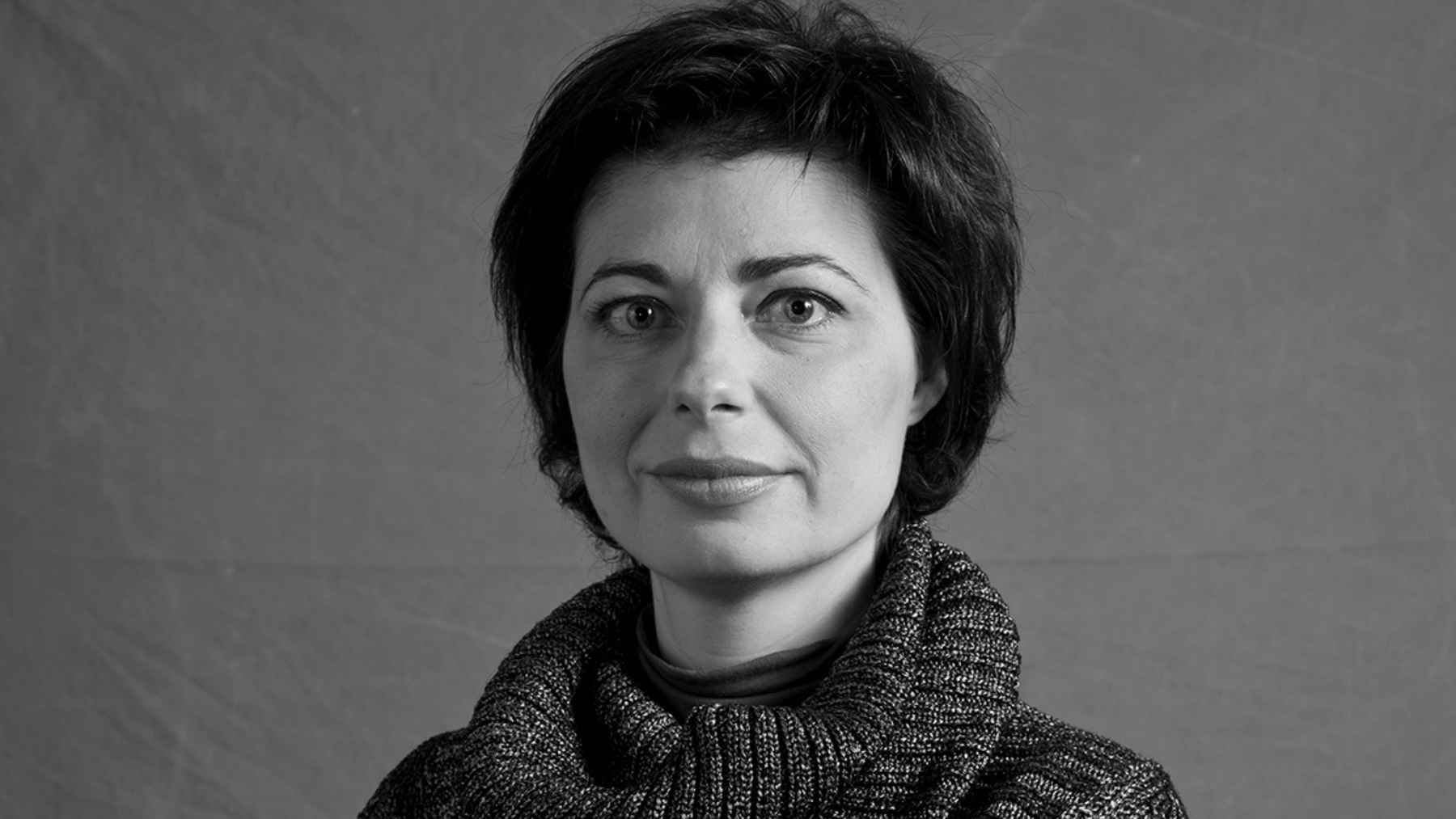
The Portuguese molecular biologist became the first woman and the first person born outside Spain to lead the Centre for Genomic Regulation in Barcelona. She now oversees 476 scientists from 47 nationalities, and she says understanding the few tumor cells that escape therapy could shape the next major advance in cancer research.
Tumors are not one enemy
A tumor may look like a single lump on a scan, but its cells can differ in their genes, behavior, and survival tactics. Think of it as a crowded neighborhood where every house is built a little differently, which means one drug may reach many cells while missing others.
This diversity is called tumor heterogeneity. A 2017 National Cancer Institute analysis found that drug-sensitive cells can die while resistant groups survive, expand, and eventually dominate the tumor, although the pattern can vary by cancer type and treatment.
“The next big question in cancer is cellular heterogeneity, which allows it to survive treatments,” Bettencourt-Dias said. Some cells escape the drugs and continue evolving into something new. That is the escape route researchers want to close.
A map of every cell
To catch those survivors, researchers need more than an average reading from a piece of tumor tissue. Bettencourt-Dias points to high-resolution spatial proteomics, a way to map proteins inside individual cells and show where those cells sit next to one another.
Proteins do much of the daily work in a cell, from carrying signals to repairing damage. Mapping them in place could reveal small pockets with different defenses, much like spotting a few people taking a side street while the main crowd moves in another direction.
A 2025 spatial cancer profiling project described distinct tumor microregions with different genetic, metabolic, and immune features. The interview does not present this technology as a ready-made cure, and researchers still need to learn which patterns reliably predict treatment resistance.
Tiny structures with a big role
Her own laboratory focuses on centrioles, tiny structures that help organize the cell’s internal framework and support accurate cell division. They also help form cilia, microscopic antenna-like or tail-like structures involved in sight, clearing particles from airways, cell communication, and sperm movement.
Centrioles are copied as cells divide, carrying their organization from the first fertilized cell through a body containing 30 trillion cells. Bettencourt-Dias says humans inherit the first centrioles from the father because they form part of the sperm’s propulsion system.
The correct number matters. Abnormal centriole numbers are associated with cancer, while defects involving centrioles and cilia are also connected to microcephaly, retinal degeneration, obesity, and problems with the body’s internal symmetry.
AI joins basic biology
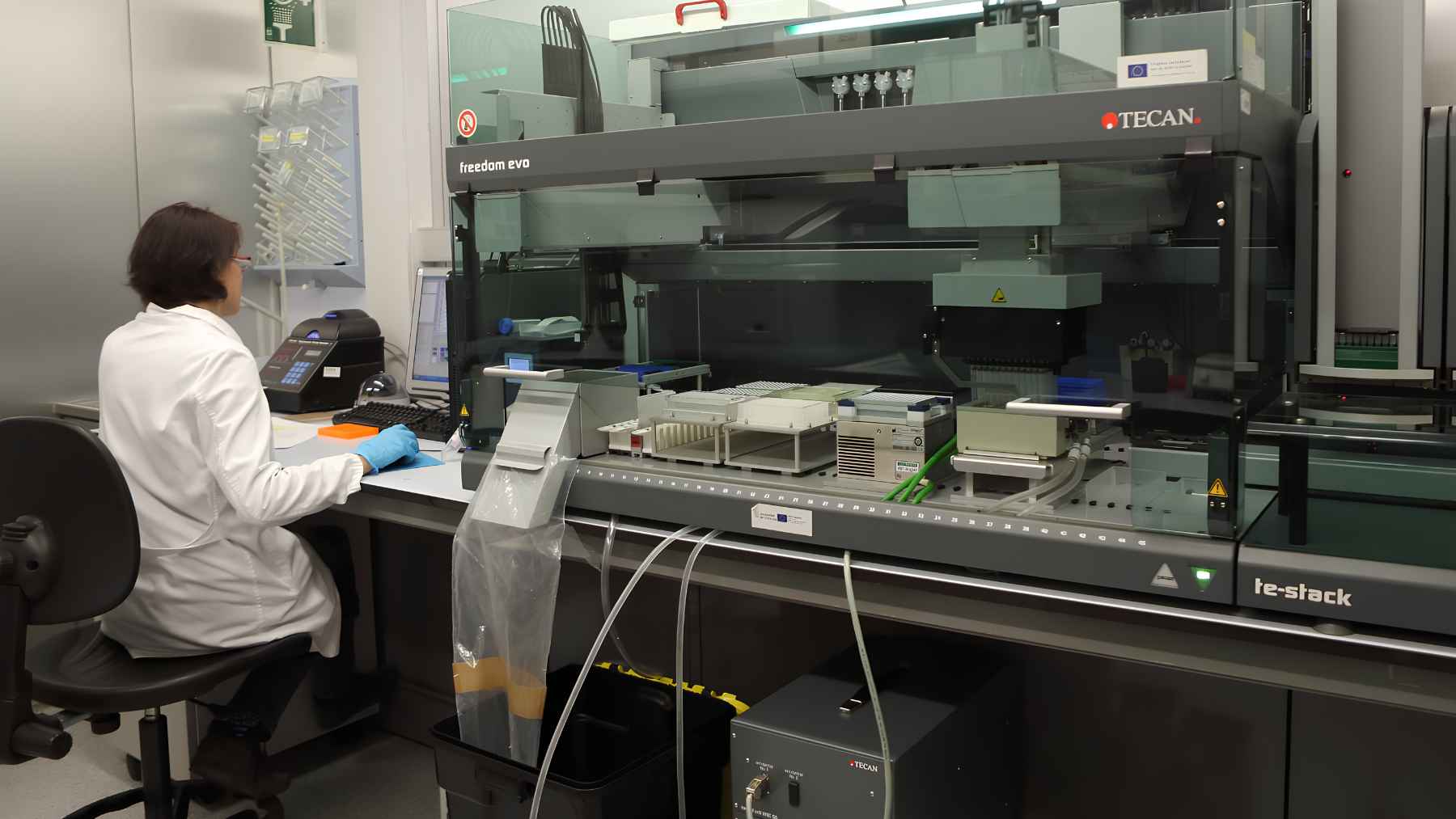
At the Barcelona institute, the broader plan reaches beyond cancer. Bettencourt-Dias wants researchers to combine curiosity-driven biology with artificial intelligence and powerful computing to study how environments shape living things and to explore the new proteins.
The center also co-manages the European Genome-phenome Archive, which securely stores and shares identifiable genetic, phenotypic, and clinical research data. Large resources like this give scientists more material for detecting patterns that would be difficult to spot one sample at a time.
The idea is to use AI to sort enormous amounts of information and decide which questions to test first. But Bettencourt-Dias presents technology as a partner to strong basic science, not a shortcut around experiments or careful judgment.
Science has a communication problem
For Bettencourt-Dias, science offers society something broader than medicines and machines. “Probably the most important thing science brings to the world is critical thinking,” she said, pointing to decisions about news, health information, medication, and vaccination.
She argues that the lesson did not fully stick after the COVID-19 pandemic. Scientists and journalists both need better ways to explain uncertainty, evidence, and changing conclusions, she said, adding that “we have an urgent duty to find new ways to communicate.”
That may sound separate from cancer biology, but it is not. Clear explanations can help patients understand what a treatment may accomplish, where its limits are, and why another test or therapy could eventually be needed.
Europe must keep its scientists
Bettencourt-Dias sees long-term support for science in Barcelona and believes the city can become an even stronger center for research, hospitals, and pharmaceutical work. Still, she warns that Europe has many programs for attracting researchers and too few for persuading them to stay.
In her view, Europe cannot compete with the United States and China through money alone. Its strongest cards are freedom for curiosity-led research, open data, collaboration, and steady investment.
The cancer question is not only how to kill more tumor cells. It is how to find the small number that survive, understand what makes them different, and stop them from rebuilding the disease.
The original interview was published by EL PAÍS.