Could a CT scan taken for one reason quietly hold an early warning about pancreatic cancer? A new artificial intelligence model suggests it might. In a new study, the system found subtle warning signs in scans that had originally looked normal to human reviewers.
The tool, called REDMOD, identified nearly three out of four future cases of the most common form of pancreatic cancer about 16 months before diagnosis. That matters because pancreatic cancer is often found late, after it has already spread and treatment options are much more limited.
A cancer that hides
Pancreatic cancer is not one of the most common cancers, but it is one of the hardest to survive. The National Cancer Institute’s SEER program estimates that 67,530 people in the United States will be diagnosed with it in 2026, and 52,740 will die from the disease.
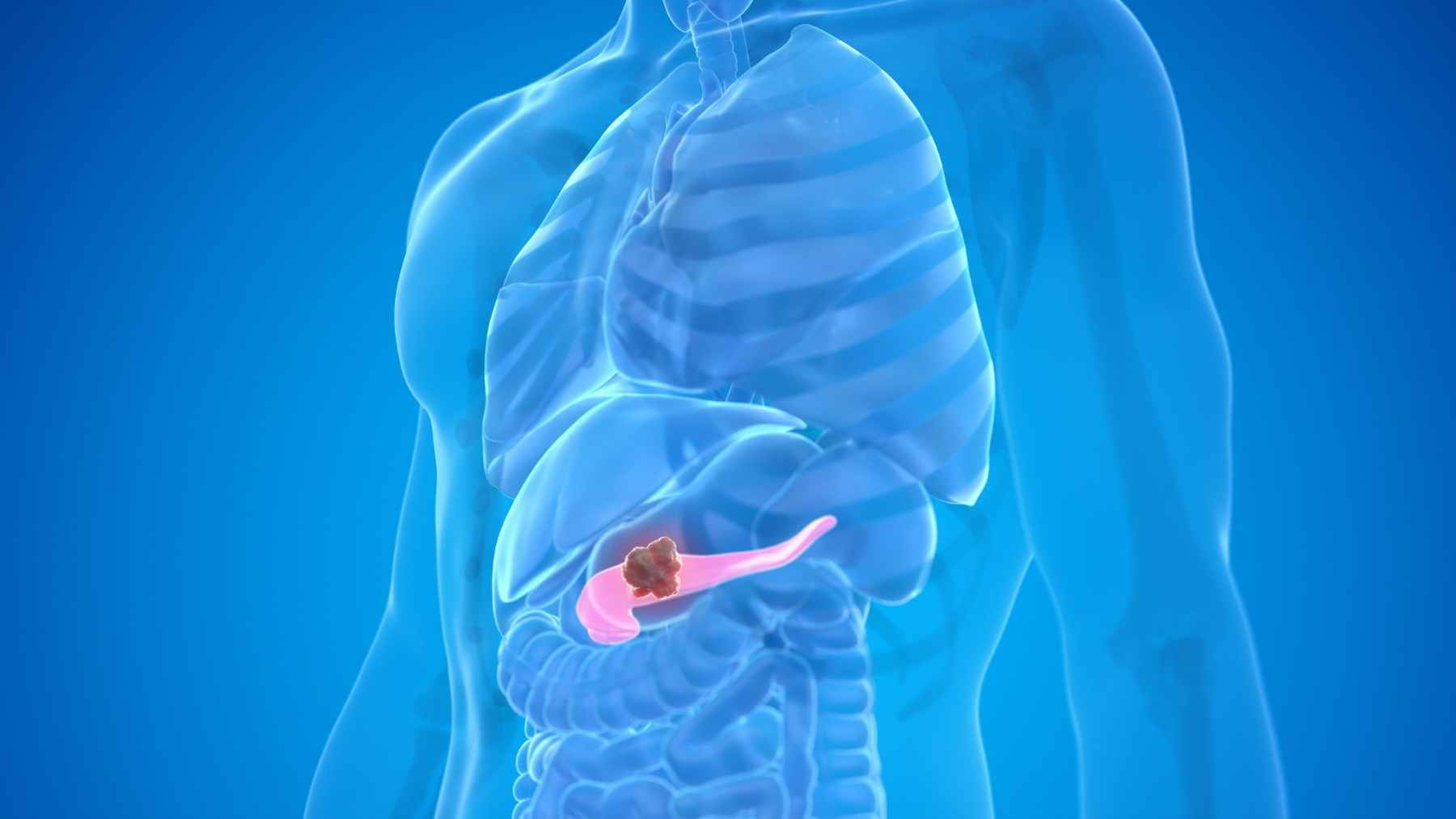
The reason is painfully simple. Most patients do not have clear early symptoms, and the pancreas sits deep in the belly where small changes are hard to see.
The same data show that only about 15 percent of cases are found while still localized, while just over half are already distant, meaning the cancer has spread to other organs.
What AI is looking for
REDMOD stands for Radiomics-based Early Detection Model. Radiomics is a way of turning medical images into data, so a computer can measure tissue texture and structure that look almost invisible to the human eye.
The model does not simply look for a large tumor. Instead, it searches for tiny shifts in the pancreas that may appear as cancer is beginning to develop. Think of it as noticing faint footprints in the snow before the person making them is visible.
The system was developed by researchers from Mayo Clinic and the University of Texas MD Anderson Cancer Center.
Senior author Ajit Goenka, a radiologist and nuclear medicine specialist, said “The greatest barrier to saving lives from pancreatic cancer has been our inability to see the disease when it is still curable.”
The test in normal scans
To train REDMOD, researchers used 969 CT scans of the pancreas, including scans from people who later developed cancer and others who did not. Then they tested it on a separate group, which is important because an AI model can look impressive if it only works on the data it has already seen.
In the independent test, REDMOD examined 63 scans from people who later received a diagnosis and 430 control scans from people who remained cancer-free. It correctly flagged 46 of the 63 future cancer cases, a detection rate of 73 percent.
Human experts had previously cleared those scans as normal. When two radiologists reviewed the same images for the study, they spotted early signs in 38.9 percent of cases, which means the AI performed at nearly double the rate.
Why the timing matters
The average lead time was about 16 months before diagnosis, according to the study. In some cases, the signal appeared more than two years earlier, and the research team says the model may help detect changes up to three years before clinical diagnosis.
What would that change in real life? A patient might have a CT scan, a detailed X-ray image, because of stomach pain, weight loss, diabetes, or another concern. If REDMOD can safely flag risk from a scan that already exists, doctors might have a chance to follow up before a visible mass appears.
The American Cancer Society reports that the five-year relative survival rate is 44 percent when pancreatic cancer is localized, but only 3 percent when it has spread to distant parts of the body. That gap explains why even a small shift toward earlier diagnosis could matter so much.
What still needs proof
REDMOD was not perfect. Of the 430 control scans, 81 were flagged as suspicious even though those people did not have pancreatic cancer. In practical terms, that could mean extra imaging, more blood work, and the kind of waiting-room anxiety nobody wants.
For now, REDMOD is not a standard screening test. BMJ Group notes that it still needs testing in high-risk patients, including people with unexplained weight loss or newly diagnosed diabetes, before wide clinical use.
The team is moving the work into a prospective study called AI-PACED. That means researchers will test the model going forward in real clinical settings, while tracking early detection, false positives, and patient outcomes.
A new direction
The most interesting part of REDMOD is not just that it uses AI. It is that it tries to find cancer before cancer looks like a tumor on a scan. That is a different way of thinking about a disease known for staying quiet until it is dangerous.
Nobody should read this as a cure or a reason to skip medical advice. But if future trials hold up, a routine CT scan could become more than a snapshot of today’s problem. It might also become a warning light for tomorrow’s risk.
The official study has been published in Gut.