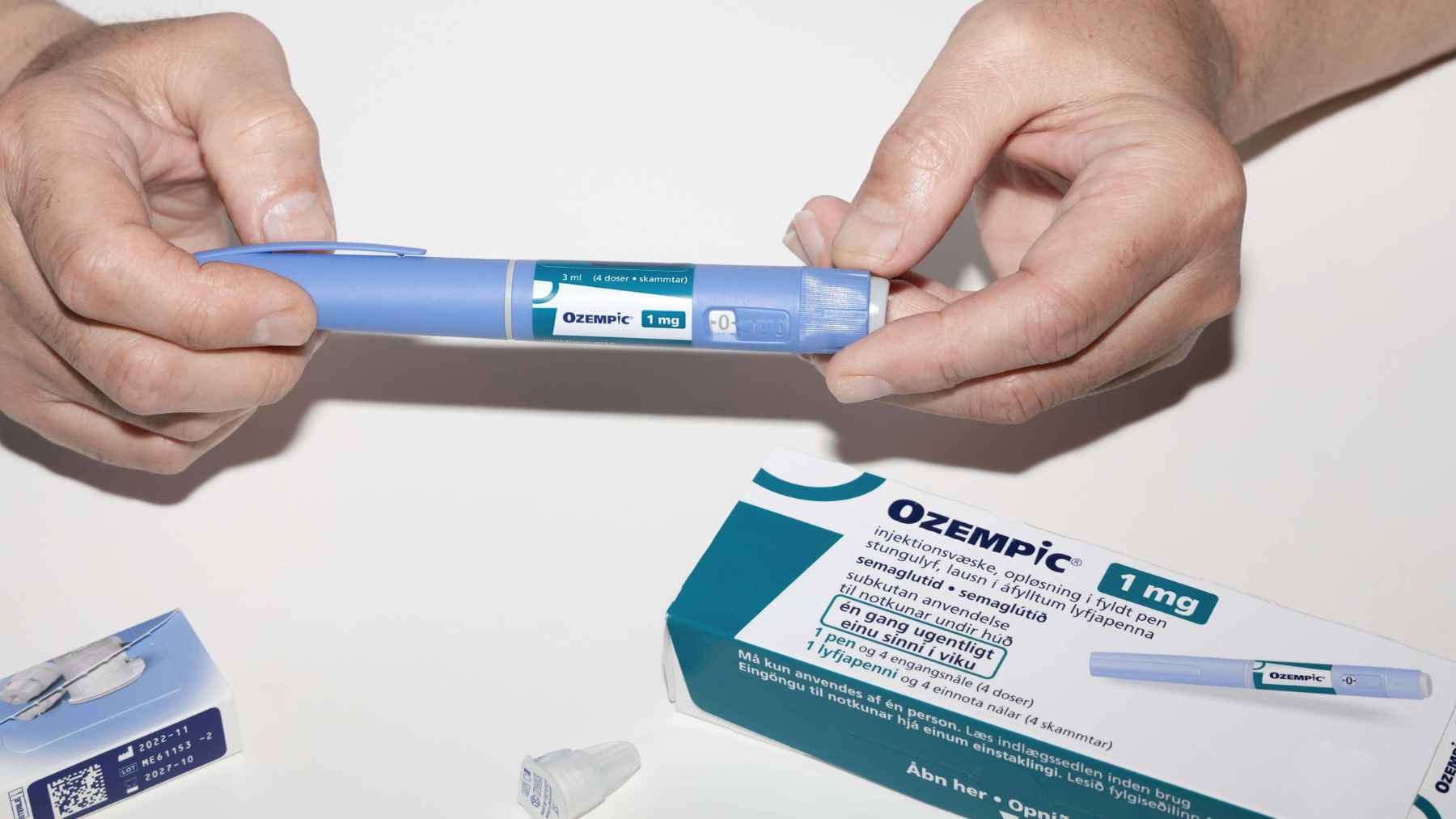
Could a medication that quiets hunger also change the way coffee smells or dinner tastes? A large new study of adults with type-2 diabetes found that people prescribed GLP-1 drugs were more likely to receive a new diagnosis involving smell or taste than similar patients using other diabetes medicines.
The signal was clear in statistical terms, but uncommon in everyday terms. Combined smell or taste problems were recorded in 0.37% of the GLP-1 group and 0.22% of the comparison group, so the finding calls for attention rather than alarm.
What the researchers found
Jonathan Zontag and Nir Zontag, researchers affiliated with Hadassah Medical Center and the Hebrew University of Jerusalem, examined electronic health records collected from December 5, 2017, through April 20, 2026. The analysis covered adults with type-2 diabetes who had no documented smell or taste disorder before treatment began.
After statistical matching, the researchers compared 438,474 people prescribed a GLP-1 medicine with the same number taking other diabetes medications. The groups were balanced for major demographic, medical, and socioeconomic differences, then followed from three months to two years after the first prescription.
Overall, 1,615 people in the GLP-1 group received a smell or taste diagnosis, compared with 960 controls. The likelihood over time was 81% higher for smell disorders and 52% higher for taste disorders, while the combined increase was 48%.
Relative risk can sound larger
An 81% increase does not mean that 81% of patients developed a smell problem. Smell disorders were documented in 649 people in the GLP-1 group and 316 controls, while taste disorders appeared in 769 and 445 people, respectively.
Put another way, the combined difference was 0.15% points. That works out to about 1.5 additional documented cases for every 1,000 people in the GLP-1 group, a much less dramatic number than the relative increase alone suggests.
Charles A. Riley and Edward D. McCoul wrote in an invited commentary that smell and taste are “subtle but critical markers” of wider well-being.
They argued that a rare sensory risk may be acceptable when treating poorly controlled diabetes, cardiovascular disease, or severe obesity, but the calculation could look different for marginal or cosmetic weight loss.
What these sensory changes mean
Anosmia means a complete loss of smell. Parosmia makes familiar odors smell distorted, while parageusia alters taste. In daily life, that could mean coffee smells burned, a favorite meal tastes wrong, or warning odors such as smoke and spoiled food become harder to notice.
Smell and taste are closely connected, but they are not the same. The tongue detects basic tastes such as sweet, salty, sour, bitter, and savory, while the nose supplies much of what people experience as flavor.
GLP-1 medicines mimic the action of a natural hormone involved in blood sugar control and appetite. They can reduce hunger and support weight loss, but scientists are still working out whether effects on taste buds or brain pathways could also alter sensory processing.
Earlier research points both ways
A 2025 laboratory study led by Rafa Khan and Richard L. Doty at the University of Pennsylvania tested 46 people taking GLP-1 drugs against 46 matched controls. The GLP-1 group scored lower across all five basic tastes, while the smell difference was not statistically clear.
Another small experiment reached a different result, however. Mojca Jensterle Sever of the University Medical Centre in Ljubljana reported in 2024 that semaglutide improved taste sensitivity in 30 women with obesity and changed measures in the tongue and brain.
Why the mismatch? Different drugs, patient groups, testing methods, doses, and treatment periods may produce different answers, while small experiments can miss effects that emerge in huge medical databases.
Why the study cannot prove cause
This was a retrospective observational study, meaning the researchers looked backward through existing records rather than assigning treatments in a controlled trial. That design can identify a pattern, but it cannot show that GLP-1 drugs directly caused the sensory diagnoses.
The records did not provide reliable details on adherence, treatment length, dose, or whether individual GLP-1 medicines carried different risks. The study relied on diagnostic codes rather than direct sensory tests, so it captured what clinicians recorded, not every strange taste at breakfast.
It also included only adults with type-2 diabetes, so the results should not be automatically extended to people using these drugs solely for obesity. The authors called for “closer monitoring and greater public health awareness,” along with new studies using objective testing.
A rare signal worth watching
At the end of the day, this study does not overturn the established role of GLP-1 drugs in diabetes and obesity care. It adds a small but meaningful safety question involving senses that shape nutrition, personal safety, and the simple pleasure of sharing dinner with family.
For most patients in the study, no smell or taste disorder was diagnosed. But as use expands, even uncommon effects deserve careful tracking, and patients should not stop a prescribed medicine without speaking to a health professional.
The official study has been published in JAMA Otolaryngology Head and Neck Surgery.