The food on your plate could be quietly overloading your liver: how everyday eating leads to fatty liver disease
Fatty liver disease is a routine concern in Polish clinics, often appearing alongside obesity, abnormal blood fats, and type-2 diabetes. In a Polish survey study of 1,322 doctors, 59.7% named it as the most common cause of abnormal liver enzyme results among their patients. The research was led by Irena Ciećko-Michalska of Jagiellonian University Medical College.
The message is not that one spoonful of jam will suddenly damage the liver. The concern is a long-term pattern of excess calories, added sugar, limited movement, and alcohol, which can push liver health in the wrong direction. Doctors now often call the metabolic form MASLD, though many people still know it as nonalcoholic fatty liver disease.
Why the liver matters
The liver is the body’s largest gland and weighs about 3.3 lbs. in an average adult. It processes proteins, carbohydrates, and fats, produces bile for digestion, and regulates how glucose is stored and released. Think of it as part chemical plant, part warehouse, and part cleanup crew.
It also helps break down medicines and alcohol, stores vitamins and iron, and supports immune function. With so many jobs running at once, ongoing damage can affect far more than one organ. That is why everyday food choices matter over time, even when nothing hurts.
When liver fat becomes dangerous
MASLD develops when excess fat builds up in liver cells alongside metabolic risk factors. It is closely linked with obesity and type-2 diabetes, but it can also occur in people who are not overweight. The condition is often found through blood tests or an abdominal ultrasound rather than an obvious warning sign.
For many people, the disease remains at the stage of simple fat accumulation. In others, it advances to MASH, which involves inflammation and liver-cell damage and can lead to scarring, cirrhosis, and sometimes liver cancer.
The Polish study was not a national prevalence survey, but it found fatty liver was the leading liver-related reason for consultations and warned that cases may be missed when further testing depends only on abnormal enzyme results.
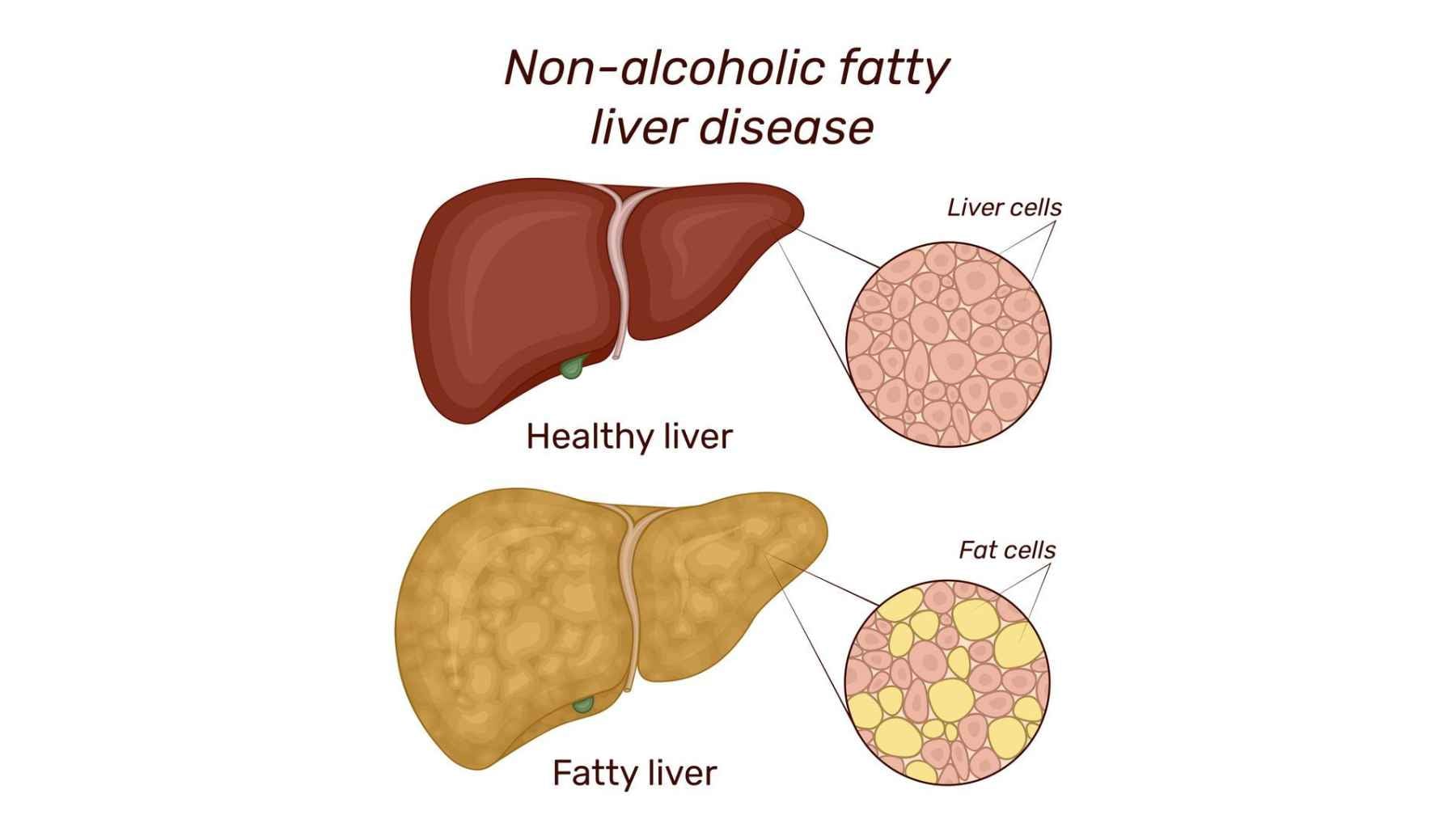
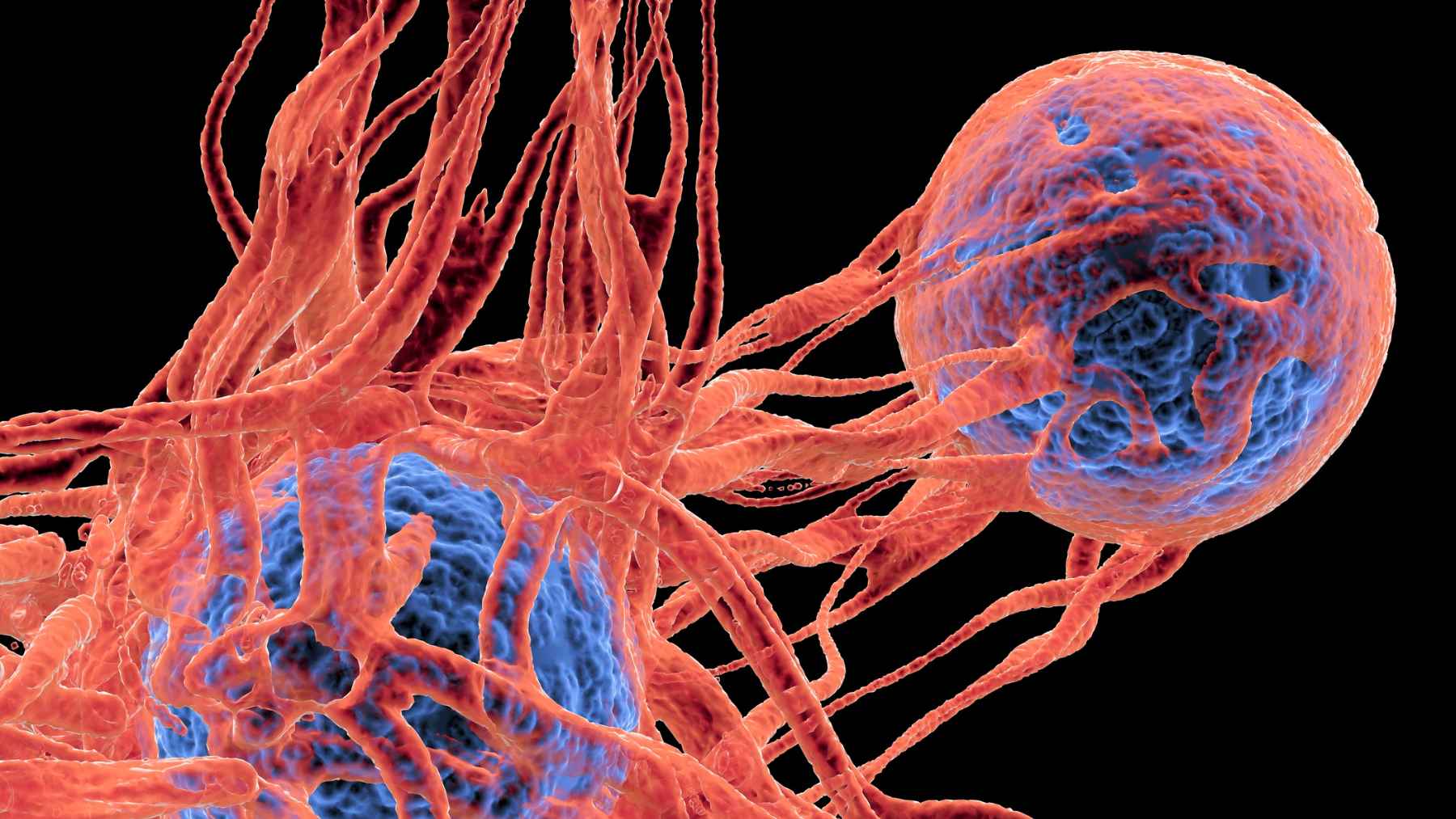
An illustration compares a healthy liver with a fatty liver, highlighting how excess fat builds up in liver cells as metabolic liver disease progresses.
Why jam is on the list
Polish dietary guidance places sugar, honey, jam, candy, cakes, and sweetened drinks among foods to limit. Some excess simple sugar can be converted into triglycerides, the main storage form of fat, and those fats may collect in liver cells.
Jam is not uniquely toxic, and an occasional serving is not the whole story. What matters is how much added sugar appears across the day in spreads, soft drinks, sweetened yogurt, desserts, and packaged snacks. Check labels for sugar, glucose syrup, fructose syrup, corn syrup, or high-fructose corn syrup.
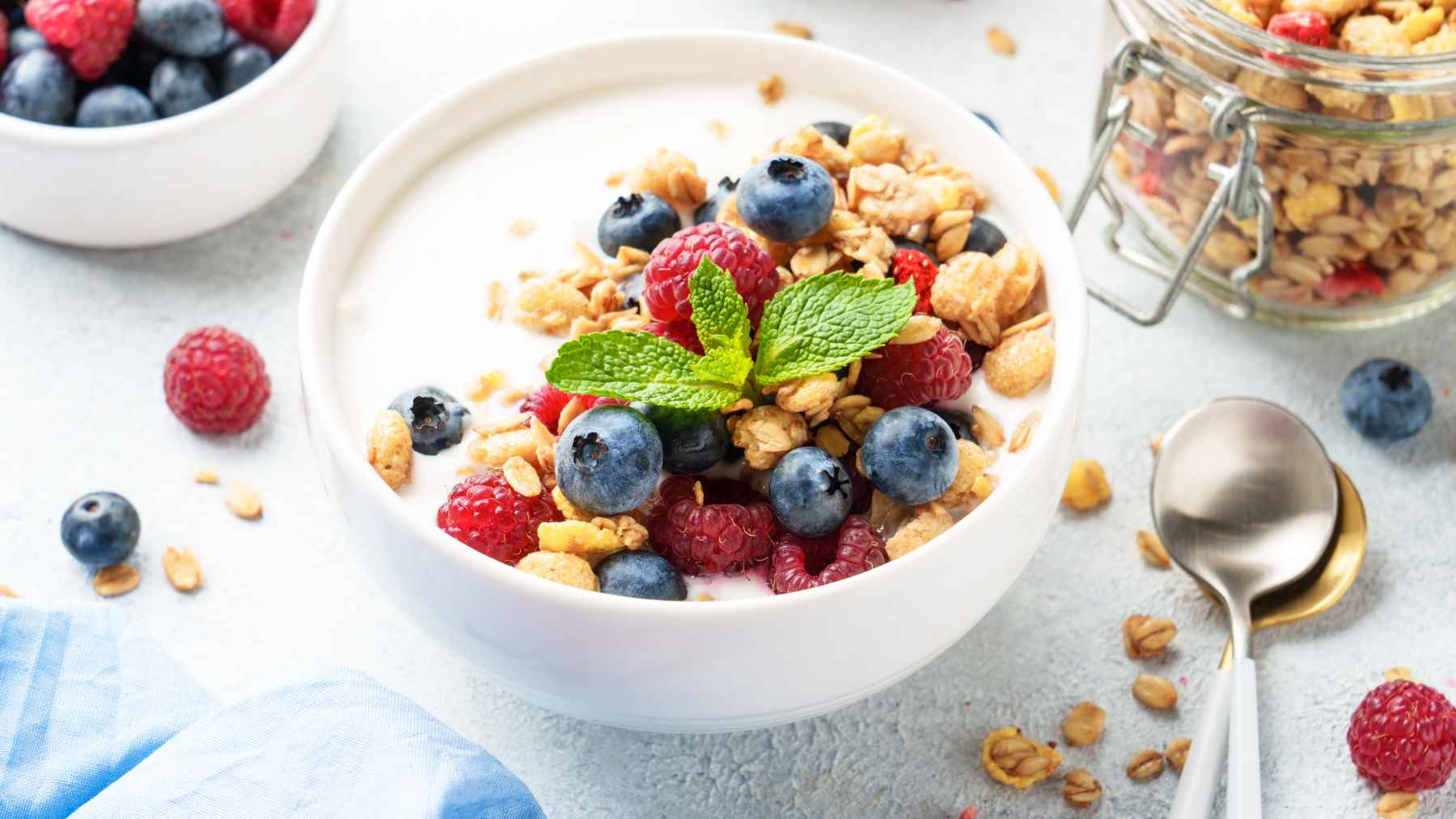
Whole fruit is different from a sugary spread because it usually comes with water and fiber and is harder to eat in highly concentrated amounts. Berries stirred into plain yogurt are not the same as a heavily sweetened fruit dessert. Small swaps add up.
What to eat instead
The recommended pattern is familiar rather than exotic. Meals can center on vegetables, whole fruits, whole grains, legumes, lean meat or fish, and lower-fat dairy, with unsaturated fats from olive oil, nuts, seeds, and fish. Regular meals and reasonable portions can also help prevent the cycle of getting very hungry and then overeating.
Water or unsweetened coffee and tea can replace sugary drinks, while plain yogurt with fruit can replace a sweetened version.
Alcohol deserves separate attention because it can add liver stress and raise triglycerides even though MASLD is distinct from alcohol-associated liver disease. Current guidance advises minimizing alcohol, while Polish recommendations for fatty liver call for avoiding it.
Weight loss and movement help
For people with overweight or obesity, gradual weight loss can make a measurable difference. U.S. treatment guidance says losing 3 to 5% of body weight may reduce liver fat, while a loss of 7 to 10% may be needed to reduce inflammation and scarring.
For someone who weighs 200 lbs., those ranges equal about 6 to 10 lbs. and 14 to 20 lbs.
Rapid dieting is not the answer, since fast weight loss and poor nutrition can make liver disease worse. Physical activity also helps even when the scale barely moves, whether that means brisk walks, cycling, or another sustainable routine. The best plan is one a person can keep doing after the first burst of motivation fades.
Getting the right advice
There is no single magic “liver diet” that fits every liver condition. Food advice may change with simple fat buildup, inflammation, advanced scarring, diabetes, or another diagnosis, so abnormal test results should be discussed with a clinician rather than treated through guesswork.
For the most part, the practical direction is clear. Reduce added sugar and alcohol, build meals around minimally processed foods, move more, and pursue gradual weight loss when medically appropriate. Jam is only one small item in that much bigger picture.
The dietary guidance has been published by Poland’s National Center for Nutrition Education.