Fatty liver disease can sound like a diagnosis that belongs only in a specialist’s office, but it is increasingly tied to everyday habits. A glass of water will not cure it. Still, steady hydration can support the body while diet, movement, and medical care do the heavier work.
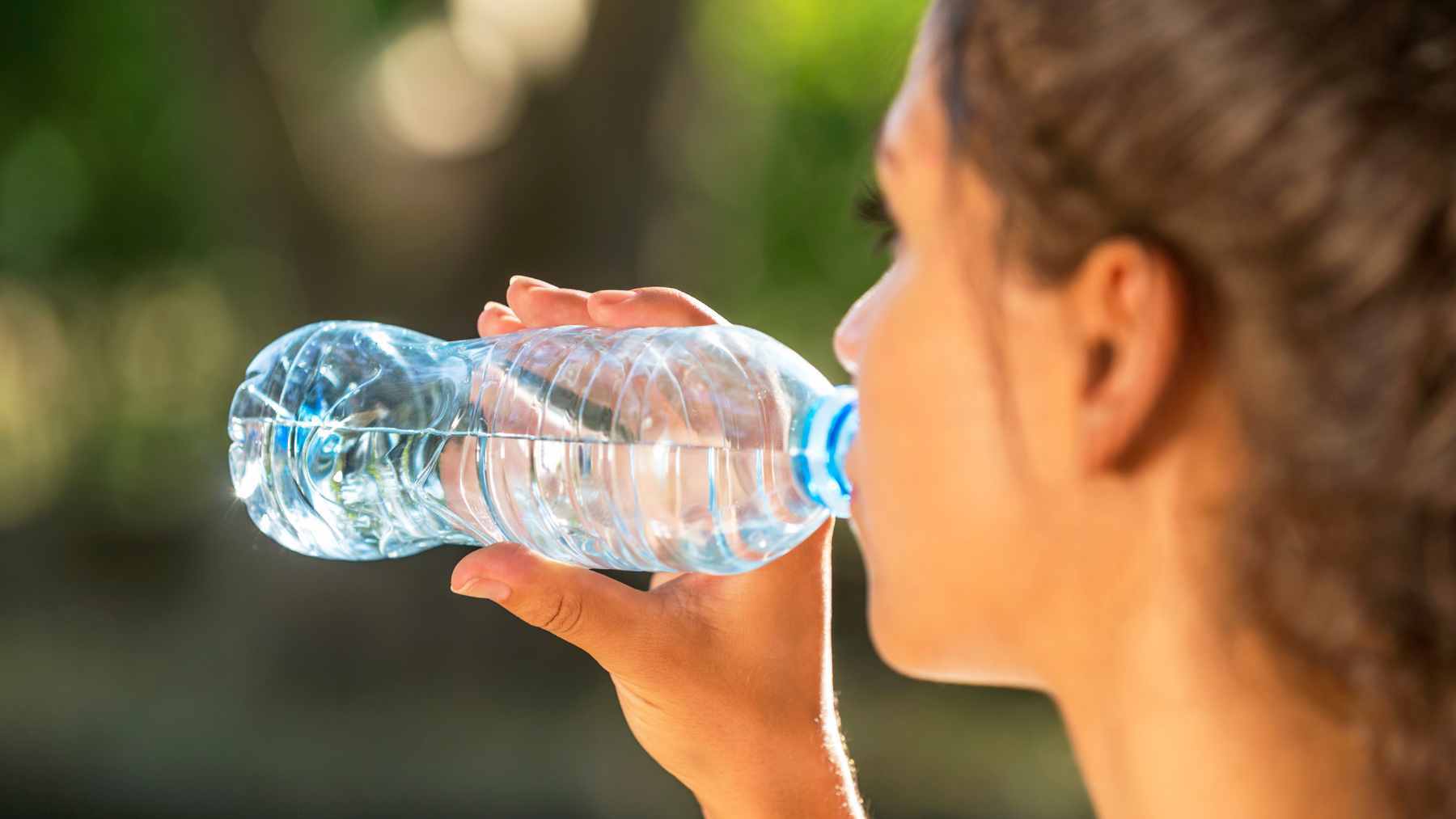
The practical target often shared with patients is about 64 to 68 fluid ounces of water a day, roughly eight 8-ounce glasses. For people with fatty liver, that goal is best understood as a simple daily floor, not a magic switch that removes fat from the liver overnight.
Why water matters for the liver
The liver works like a busy processing center. It handles nutrients, helps filter harmful substances from the blood, and makes bile, a fluid that helps the body digest fats.
Water keeps blood volume and circulation working, which helps tissues get oxygen and nutrients. It also supports digestion and waste removal, so the liver and kidneys are not dealing with a sluggish system.
Can water lower inflammation by itself? Not really. But dehydration can make the body work harder, and that is the last thing someone wants when the liver is already dealing with extra fat and irritation.
What fatty liver means
A little fat in the liver is normal. Fatty liver is usually diagnosed when fat rises above five to ten percent of the liver’s weight, according to the American Liver Foundation, which estimates that about 100 million people in the United States have the metabolic form of this condition.
Doctors now often call that metabolic form MASLD, though many people still know it as NAFLD. The older name is common in medical records, online searches, and patient conversations, so both terms may appear at the same appointment.
The risk is not only the fat itself. The bigger worry is inflammation, liver cell damage, and scarring, which doctors call fibrosis. If the process keeps moving, it can lead to cirrhosis, liver failure, or liver cancer.
The daily water target
Healthline and other consumer health references often mention the easy-to-remember eight-glass goal. In U.S. measurements, that is about 64 fluid ounces, while the version often quoted in international health articles is about 68 fluid ounces.
Mayo Clinic notes that many healthy adults meet daily needs with about 11.5 to 15.5 cups of total fluid from drinks and food, but the right amount changes with body size, activity, weather, and health conditions.
A person sweating through a hot afternoon or a long walk may need more than someone sitting indoors.
The smartest version is simple. Spread water through the day, notice thirst, and watch for pale yellow urine as a rough sign that intake is on track. People with kidney, heart, or fluid restriction issues should ask a clinician before increasing water.
What water cannot replace
Water may help someone avoid sugary drinks, and that swap matters. Sweetened beverages add calories quickly and can worsen the metabolic problems tied to fatty liver, especially insulin resistance and weight gain.
But water does not dissolve liver fat. The American Association for the Study of Liver Diseases highlights weight loss, diet changes, and physical activity as the core lifestyle tools for MASLD, including patterns such as a Mediterranean-style diet and both aerobic and resistance exercise.
In practical terms, that means more vegetables, whole grains, lean proteins, beans, nuts, and healthy fats. It also means cutting back on added sugar, saturated fat, and ultra-processed foods, the kind that are easy to grab when the day is busy but hard on the body over time.
When fatty liver becomes serious
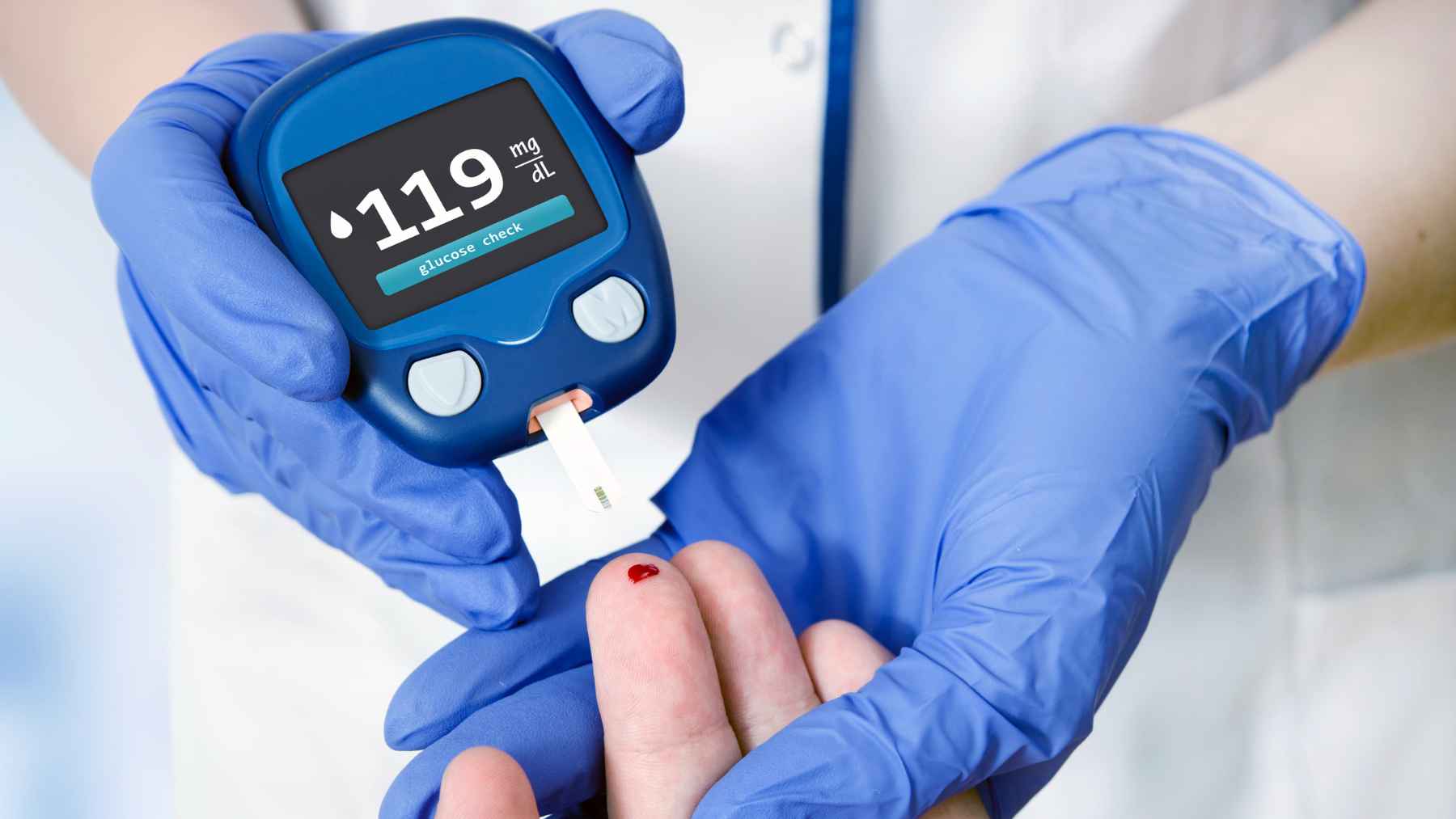
One tricky part is that fatty liver often stays quiet. The National Institute of Diabetes and Digestive and Kidney Diseases says many people have few or no symptoms, even as risk factors such as obesity, type 2 diabetes, high blood pressure, and abnormal cholesterol raise the odds.
That is why a diagnosis should not be managed only with online tips. Blood tests, imaging, and sometimes more specialized checks help doctors understand whether fat is mild or whether inflammation and scarring have already started.
Alcohol deserves special attention. Even when fatty liver is mainly metabolic, drinking can add more stress to the liver and make recovery harder. For some patients, the safest recommendation may be to avoid it entirely.
Medical follow-up matters
The daily routine can be surprisingly ordinary. Put a glass of water by the bed, refill a bottle before work or school, and choose water instead of soda when lunch comes around. Small choices do not look dramatic, but they add up.
Still, the biggest message is balance. Hydration is one pillar, not the whole house. For the most part, people do better when water sits alongside regular movement, weight management when needed, better sleep, and careful control of diabetes, cholesterol, and blood pressure.
At the end of the day, water is a helpful habit, not a stand-alone treatment.
The main health guidance referenced in this article has been published by the National Institute of Diabetes and Digestive and Kidney Diseases.