Compression socks have moved far beyond the beige medical garments many people remember from their grandparents. On Instagram and TikTok, younger users now pair colorful versions with sneakers and praise them for lighter legs, better circulation, and even heart protection.
But can a tight sock really lower high blood pressure? Professor Christiane Tiefenbacher, a cardiologist and board member of the German Heart Foundation, says the answer is no.
Compression can help certain vein and swelling problems, but it is not an established treatment for arterial hypertension. That distinction matters, especially when about 47% of U.S. adults meet current thresholds for high blood pressure.
What compression socks actually do
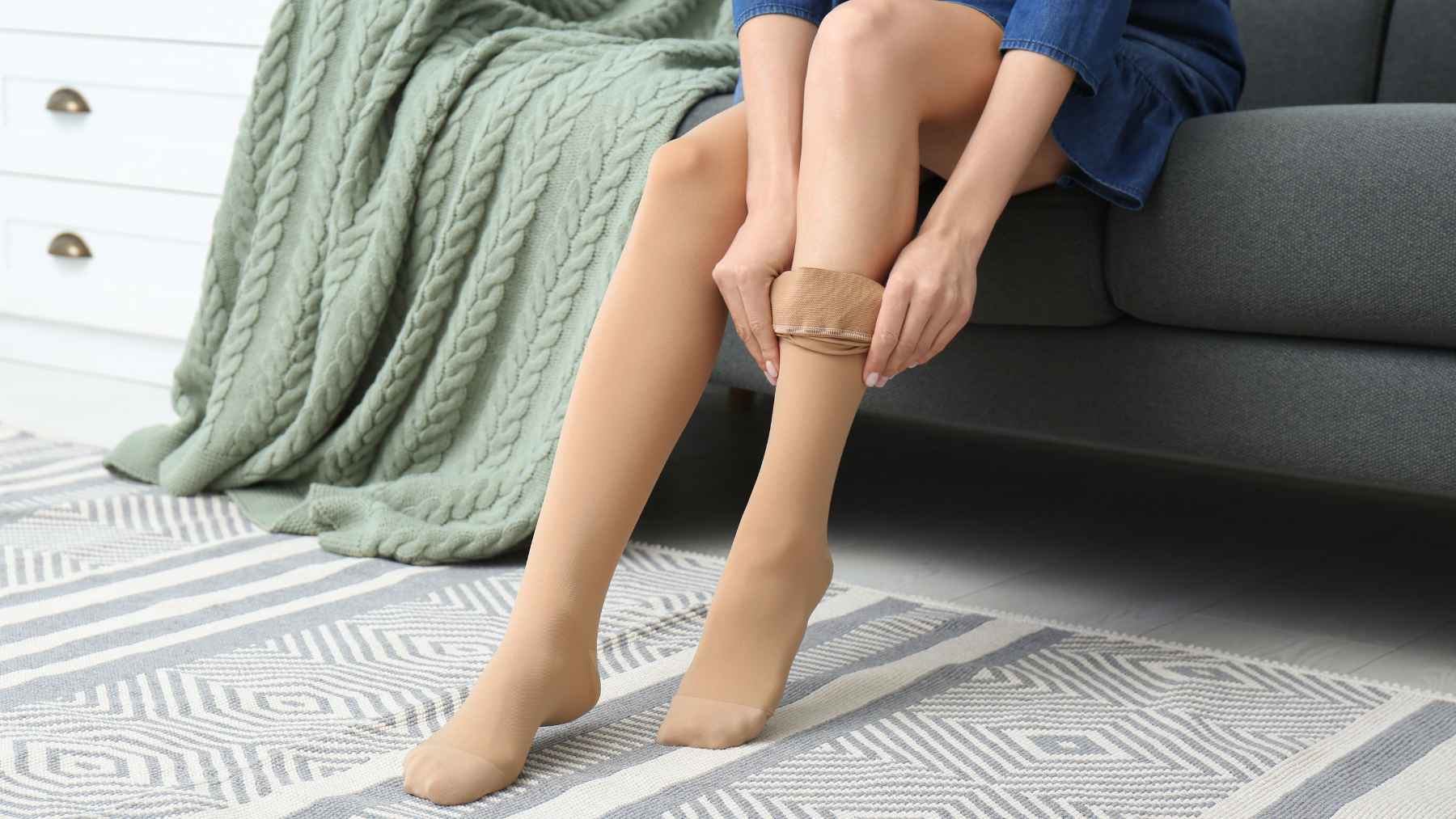
Medical compression stockings use graduated pressure. They fit most firmly near the ankle and become less tight farther up the leg, helping keep blood from pooling around the feet and calves.
The leg veins act as the return lanes of the circulatory system. They carry blood back toward the heart, while one-way valves help stop it from slipping downward under gravity. When those valves weaken, blood and fluid can collect in the lower legs.
This problem is called chronic venous insufficiency. It can cause swelling, aching, skin changes, varicose veins, and a heavy feeling after hours on your feet.
An international consensus statement identifies medical compression as a standard noninvasive option, and the cardiologist said the stockings have “undeniable medical benefits” when prescribed for a diagnosed condition.
Who may benefit most
People with varicose veins, significant venous weakness, or lymphedema may get real relief from properly fitted compression. Lymphedema means fluid builds up because the body’s drainage network is not working normally. Compression can limit that buildup and make swollen legs feel more manageable.
They may also help people who stand for long shifts in stores, clinics, restaurants, or factories. By the end of the day, that familiar tired-leg feeling can be hard to ignore. Still, comfort varies, and a fashionable pair is not automatically the same as a measured medical garment.
Travel is another common use. During a long flight or a road trip stuck in traffic, the calf muscles move less and blood can pool in the legs.
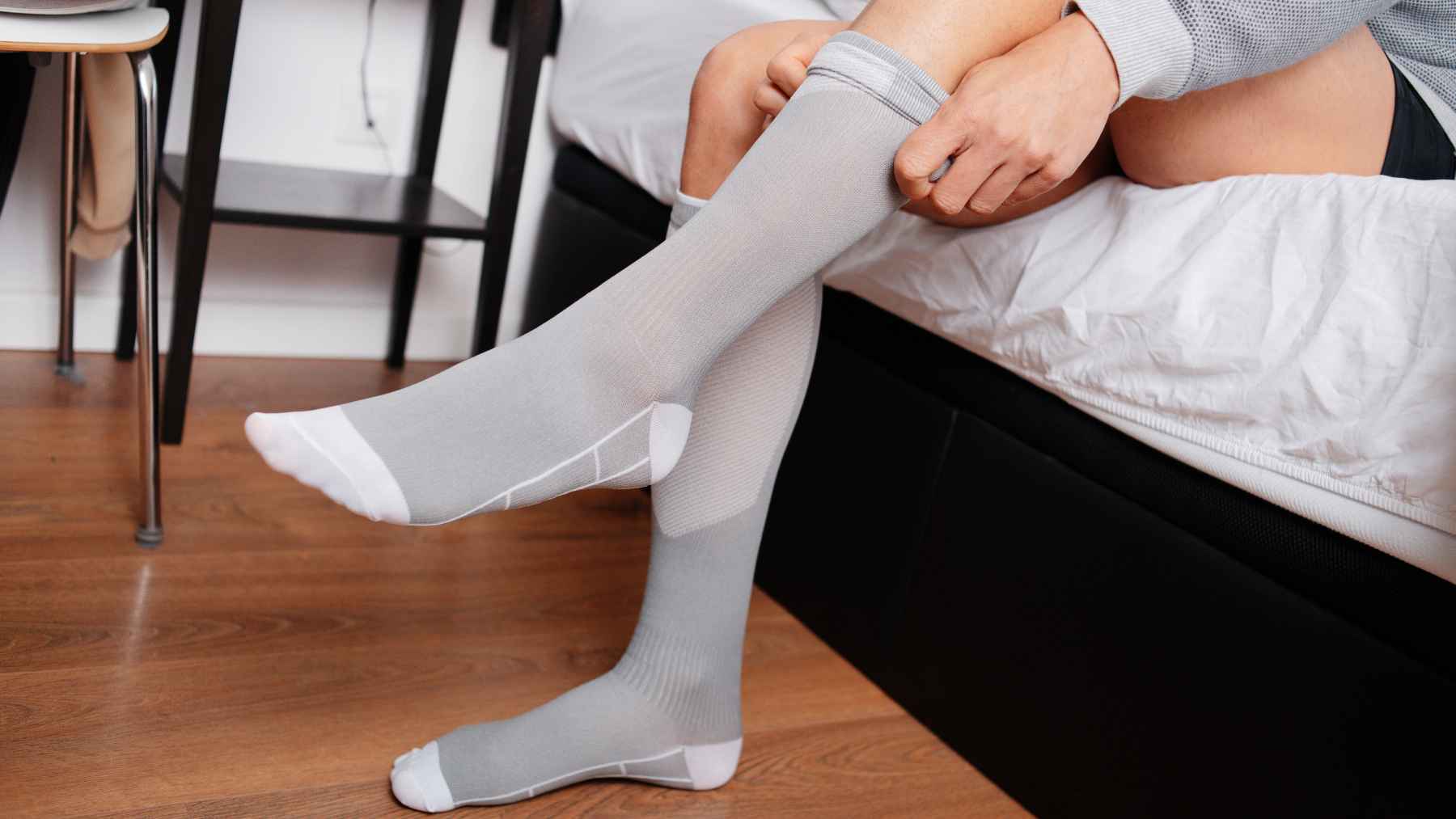
The Centers for Disease Control and Prevention’s travel guidance says some travelers with added clot risks may benefit from graduated compression stockings, but walking, stretching, and moving the ankles remain important.
Why they do not treat hypertension
Here is the key point. High blood pressure usually refers to pressure inside the arteries, which carry blood away from the heart throughout the body. Compression socks mainly act on the veins and surrounding tissue in the legs.
They help with a local drainage problem. They do not reset the kidneys, hormones, nervous system, blood vessels, and heart functions that regulate arterial pressure across the body. “For direct blood pressure regulation, support stockings are not suitable,” she said.
A person may still see a lower reading after putting them on. That could reflect normal blood pressure variation, a calmer moment, or a placebo effect, which happens when expecting a benefit changes how someone feels. It does not show that the socks can reliably prevent or treat hypertension.
The fit can cause problems
Compression stockings are not harmless for everyone. A pair that bunches, rolls, or pinches can create pressure points, irritate the skin, and trap fluid below the tight area. Pain, numbness, or toes changing color are warning signs that the garment may not fit correctly.
Extra caution is needed for people with peripheral artery disease, meaning narrowed arteries reduce blood flow to the legs and feet. Strong compression may make that circulation problem worse, so a clinician may need to check leg blood flow before recommending a garment.
The right pressure, material, and length depend on why the stockings are being worn. Knee-high versions are often chosen for travel or long periods of standing, while diagnosed medical conditions can require a different strength or design.
A trained fitter or health professional can measure the leg and help avoid the guesswork.
What actually lowers blood pressure
The 2025 joint guideline from the American Heart Association and American College of Cardiology focuses on proven measures. These include a heart-healthy eating pattern, less sodium, regular physical activity, a healthy weight, stress management, home monitoring, and medication when appropriate.
That may sound less exciting than a social media shortcut, but it is where the evidence points. Taking a walk, checking food labels, using the blood pressure cuff correctly, and taking prescribed medicine can all be part of real treatment.
Compression socks can still belong in the picture when someone also has venous disease.
Colorful compression socks may be comfortable, useful, and easier to wear than older designs. They can support the leg veins and reduce swelling for the right person. They are not a cure-all, and they should not replace proven care for high blood pressure.
The expert report was published by Berliner Morgenpost.