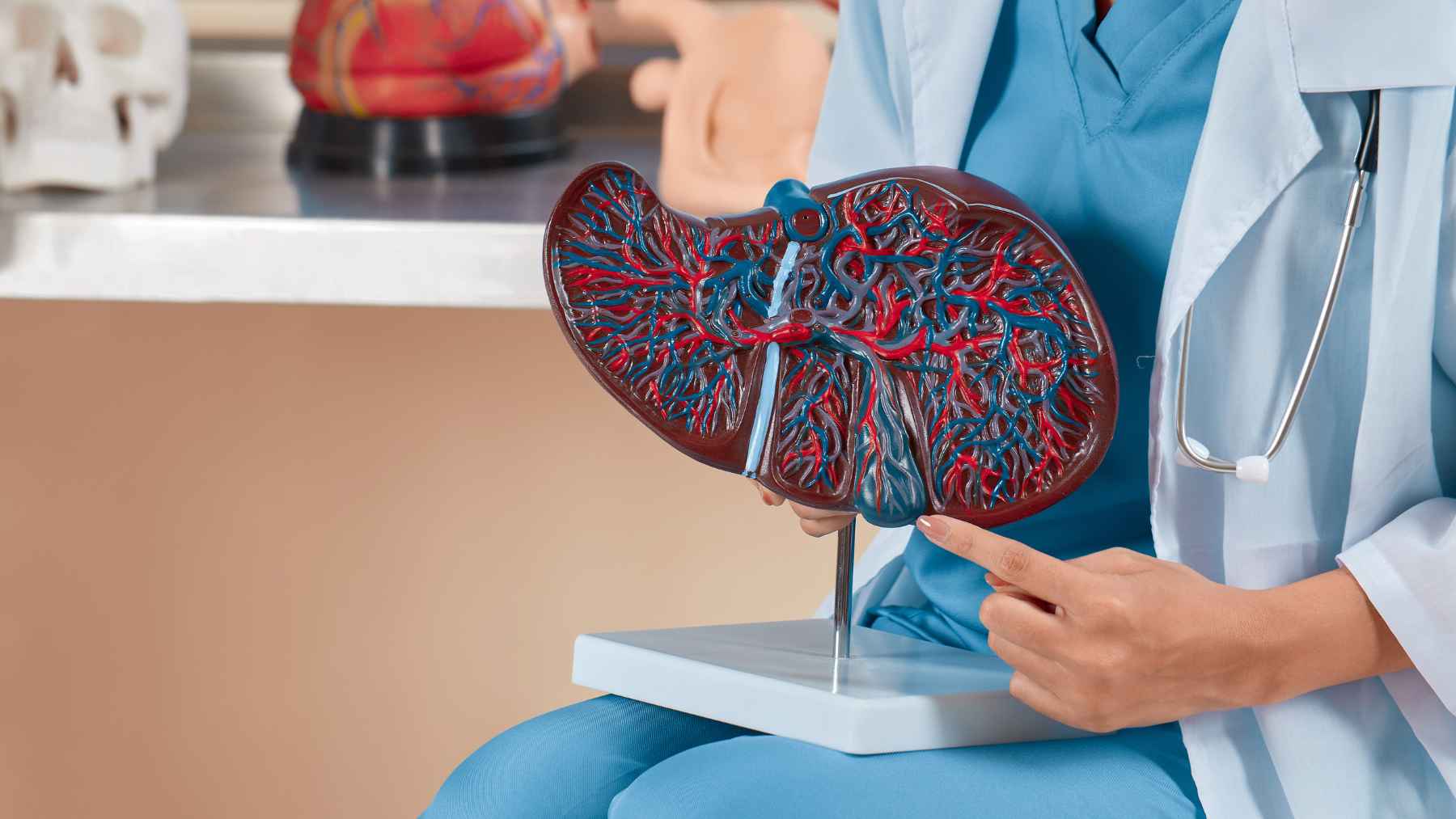
When advanced fatty liver disease comes up, diet, body weight, and blood sugar usually take center stage. New research points to another possible player upstream, an ammonia-producing gut bacterium that may weaken the intestinal lining and push immune cells toward liver damage.
The study focused on MASH, the inflammatory form of metabolic fatty liver disease that can lead to tissue injury and scarring. Researchers found that an experimental compound called DT-109 interrupted this gut-to-liver chain in mice and macaques, although it has not been tested as a treatment in people.
Why MASH matters
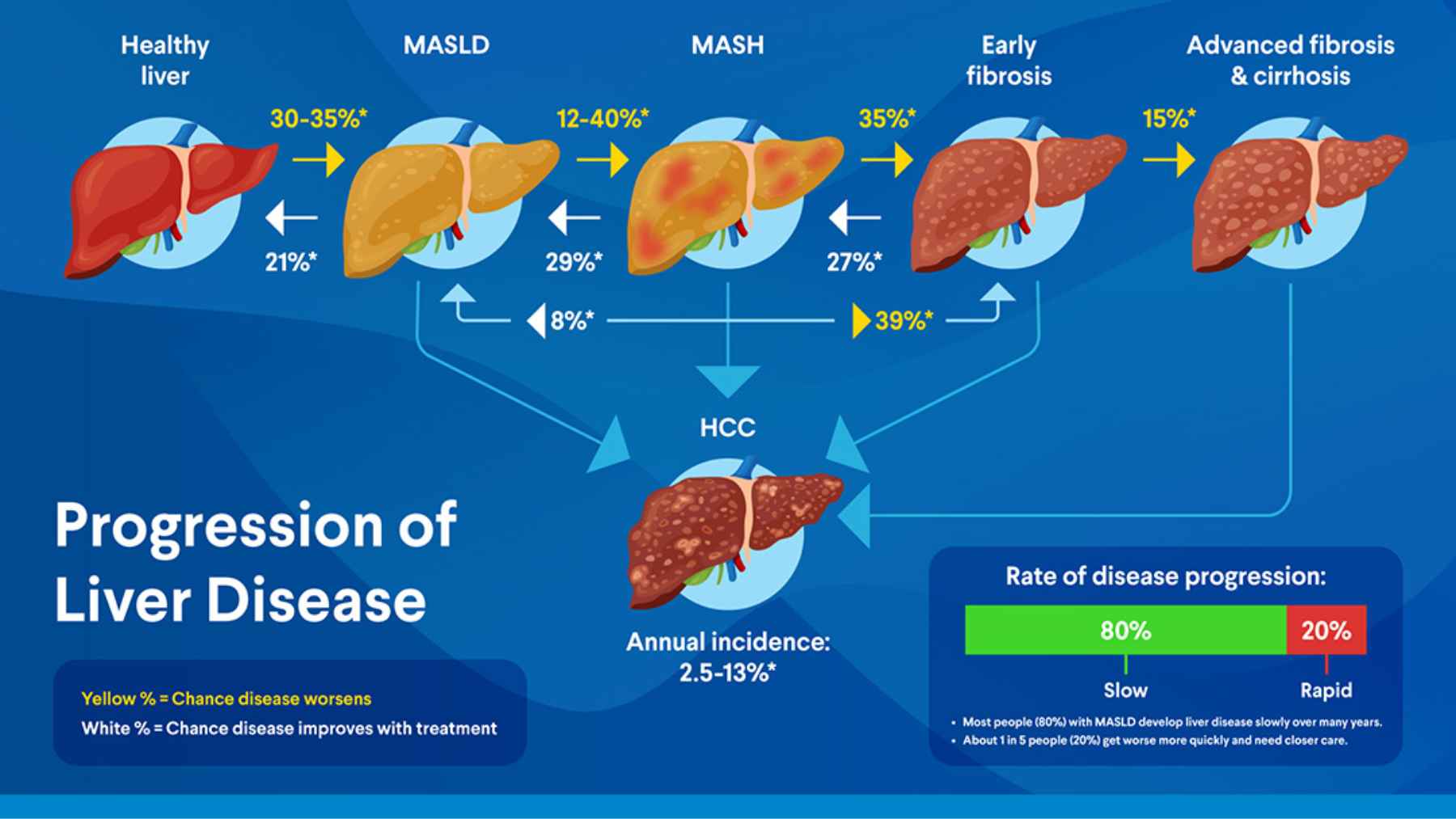
MASH develops when excess fat in the liver is joined by inflammation and damaged liver cells. Over time, that damage can produce fibrosis, the medical term for scar tissue, and increase the risk of more serious liver problems.
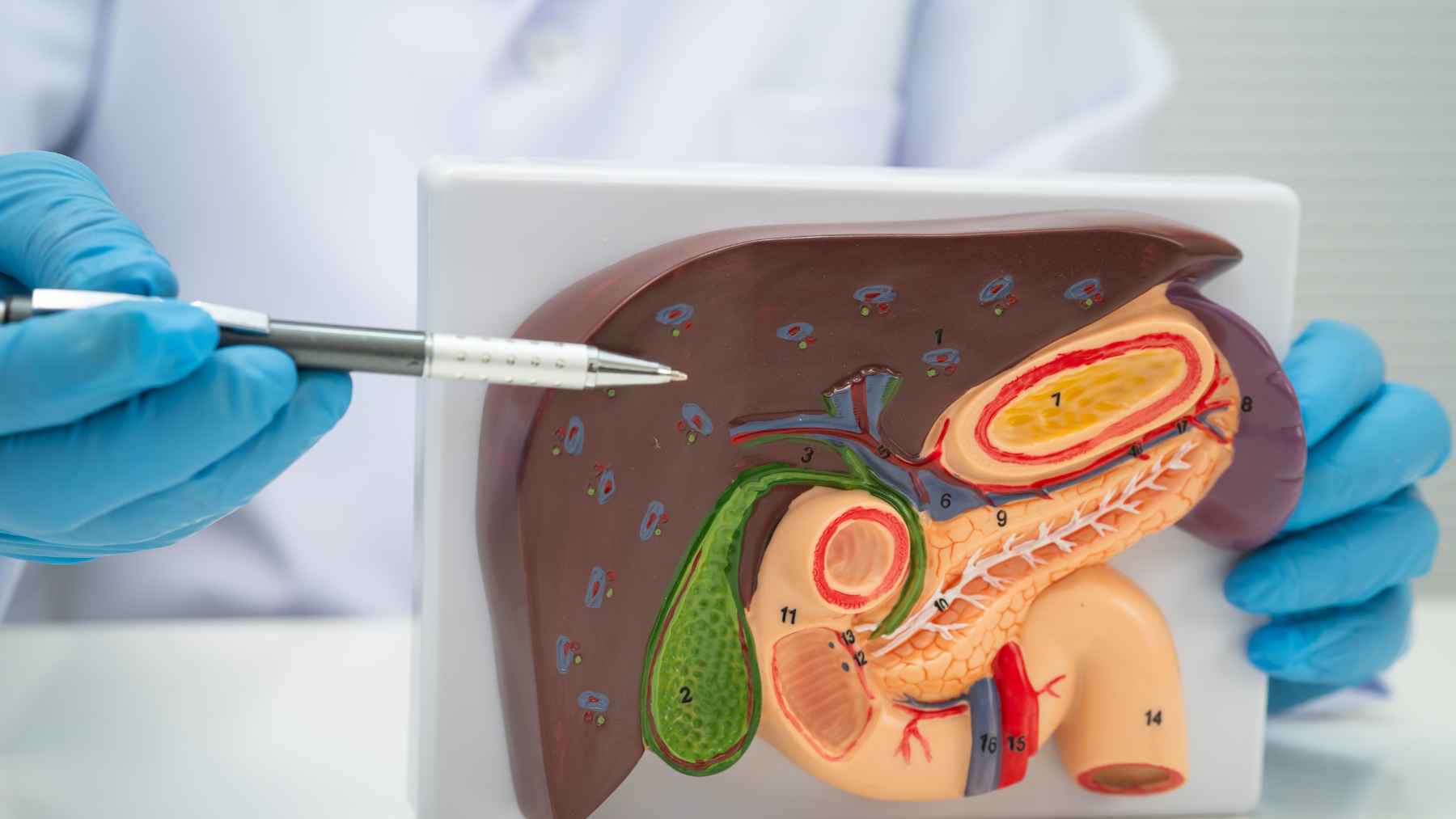
The gut may seem far removed from the liver, but the two organs are close working partners. Blood carrying nutrients and microbial products from the intestines travels directly to the liver, which is why a weakened gut barrier can create trouble downstream.
How the study worked
Pengxiang Qu, Shusi Ding, and Yanru Zhang were the first three authors listed on the study. The international team included researchers from Xi’an Jiaotong University and Peking University in China, along with collaborators in the United States and elsewhere.
The human evidence included blood samples from 111 people, stool testing in a 40-person subgroup, and liver tissue from 12 people. The main primate comparison involved 26 macaques, while several mouse and laboratory experiments tracked bacteria, ammonia, gene activity, and immune responses.
The team also tried to move beyond a simple correlation. Researchers transferred bacteria into mice, used a strain with a key ammonia-making gene disabled, and raised ammonia directly to see whether parts of the same damage appeared.
The ammonia chain
The standout bacterium was Clostridium perfringens, which was more abundant in the MASH samples studied. It can produce ammonia, a nitrogen-based waste chemical, and the researchers linked higher levels to damage in the ileum, the final section of the small intestine.
How could that hurt the liver? The study suggests excess ammonia weakened the gut barrier, a protective lining that normally limits what can pass into the bloodstream, allowing more inflammatory material to reach the liver.
Once there, ammonia appeared to alter CD8 T cells, immune cells that normally kill infected or abnormal cells. It increased a signal called CCL5 through FosB, a protein that helps switch genes on, making those cells more damaging to liver tissue.
That finding builds on a 2021 Nature study showing that certain liver CD8 T cells can attack liver cells in NASH, the former name for MASH, while adding a possible trigger from the gut.
What DT-109 changed
DT-109 is a small compound made from three amino acids, the building blocks of proteins. In the animal models, it reduced C. perfringens, lowered intestinal ammonia, strengthened signs of gut barrier integrity, and eased abnormal immune activity in the liver.
The treatment appeared to work mainly inside the digestive tract rather than circulating widely through the body. “We also found that DT-109 primarily acts in the gastrointestinal tract, but its reach stretches much further,” co-author Jifeng Zhang said in a news release.
An earlier Cell Metabolism study found that DT-109 reduced liver fat and prevented fibrosis from progressing in nonhuman primates. The new paper goes a step further by tracing a possible mechanism from the bacterium to ammonia, the gut lining, and finally the liver.
The limits are important
The human samples supported parts of the proposed pathway, including higher bacterial markers and stronger immune signals in MASH. But the experiments showing that DT-109 improved disease were done in animals, not in a clinical trial with patients.
Animal models can reveal biology that would be difficult to test directly in people, yet they never reproduce human disease perfectly. It is still unclear whether targeting this bacterium or intestinal ammonia will be safe, effective, and durable in a diverse group of patients.
The journal disclosed that the University of Michigan patented and licensed DT-109 to Diapin Therapeutics. Senior author Y. Eugene Chen and the university hold an ownership interest, and the company supplied the compound for the study.
What this means now
Nothing in this paper changes tomorrow’s prescription or grocery list. Healthy eating, regular physical activity, gradual weight loss when appropriate, and control of metabolic risks remain central, while some eligible adults may also receive FDA-approved medicines under medical supervision.
The study does not show that a probiotic, antibiotic, or so-called liver detox can treat MASH. The clue is compelling, but it is not a cure.
For now, its real value is a more detailed map of the gut-liver connection and a new target that researchers can test.
The study has been published in The Journal of Clinical Investigation.