A major Canadian study is testing whether a blood draw can reveal cancer left after treatment, even when a scan looks clear. SHERLOCK plans to enroll 7,000 adults and track whether microscopic tumor DNA in their blood predicts a later relapse.
The idea is promising, but it is not proven at this scale. A positive result could flag patients for closer monitoring or a separate treatment trial, while a negative result may eventually help others avoid therapy they do not need.
What the blood test finds
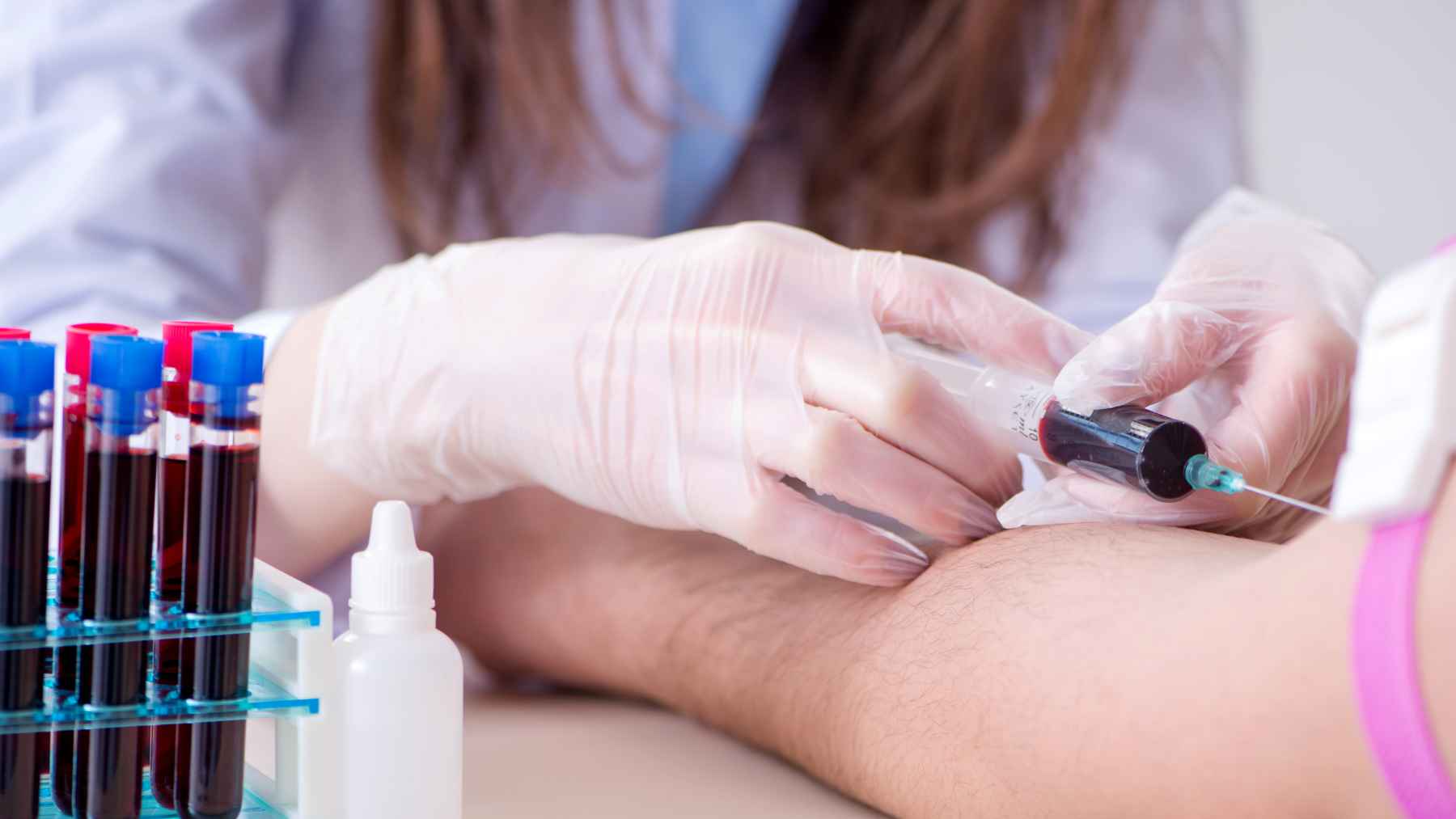
Tumors can release tiny pieces of DNA into the bloodstream. A liquid biopsy searches a blood sample for that circulating tumor DNA, known as ctDNA, instead of removing tissue with a needle or surgery.
After treatment, a remaining blood signal is called molecular residual disease. It is like finding smoke before seeing a new fire. It may appear while CT or MRI scans still show no visible tumor.
Inside the SHERLOCK trial
Led by Dr. Lillian Siu at Princess Margaret Cancer Centre, the study is sponsored by University Health Network in Toronto. It began in March 2026 and is expected to run through March 2031, enrolling adults receiving treatment intended to cure cancer or those who recently completed it.
This is more than a one-time blood test. Researchers may also study tissue, urine, saliva, surgical drainage, scan results, treatment details, and long-term outcomes across breast, lung, melanoma, digestive, urinary, head and neck, and rare cancers.
The trial is observational, which matters. Most participants are not being assigned a new drug inside SHERLOCK. Instead, eligible patients may be referred to separate “interception” trials that aim to act before a visible relapse.
What a positive result means
A positive test means tumor DNA was found above the test’s detection limit. It does not mean a scan has found a new tumor, and it does not guarantee cancer will return. Still, earlier research suggests recurrence risk is often higher when ctDNA remains after treatment.
Doctors could monitor those patients more closely or discuss experimental treatment in a linked study. Some approaches may use immunotherapy, which helps the immune system recognize and attack cancer cells. The hope is to act on a small molecular warning before it becomes a larger problem.
One narrow version of this idea has reached U.S. care. In May 2026, the Food and Drug Administration approved atezolizumab after bladder removal for adults with muscle-invasive bladder cancer who test positive for ctDNA-based residual disease. That does not validate SHERLOCK across other cancers, but it shows how quickly the field is moving.
Why a negative result matters
A negative liquid biopsy means no tumor DNA was found at that moment. It is reassuring, but it does not prove every cancer cell is gone. Different tumors shed different amounts of DNA, and no blood test catches every case.
Repeated negative results could eventually support “de-escalation,” or safely reducing extra chemotherapy, radiation, or other treatment. That could mean fewer days in infusion chairs, less travel, and fewer side effects such as fatigue, nausea, or nerve damage.
Long follow-up is essential. Researchers must show that giving less treatment does not lead to more relapses. A clear result today has to remain meaningful years from now.
Earlier studies offer clues
A 2024 head and neck cancer study showed both the promise and the limits of ctDNA testing. At eight to 12 weeks after treatment, one personalized method detected 40% of patients who later relapsed and produced no false-positive results in that small group.
Useful? Yes, but far from perfect. A test that works for one tumor or laboratory method may perform differently elsewhere. SHERLOCK will compare blood findings with real outcomes across many cancers to learn where the technology is dependable.
The patient stakes
For survivors, the science sits beside a familiar fear. A clear scan brings relief, but the worry can return before the next appointment. The question is painfully simple, “Is the cancer truly gone?”
Gillian Vandekerkhove, an assistant professor at the University of British Columbia, welcomed SHERLOCK’s broad approach but stressed that it is observational. More trials will be needed to prove that changing treatment based on the blood result improves survival or prevents harm.
A related trial called MERIDIAN shows why patients are paying attention. Toronto hockey player Paul Lonergan said a blood test found cancer fragments after throat cancer treatment, leading to experimental immunotherapy and later clear checkups. His experience is encouraging, but one case cannot establish cause and effect.
What happens next
Researchers must learn whether positive tests consistently predict relapse, whether negative tests stay negative, and whether acting on either result improves survival or quality of life. That is the real test.
For now, this blood test remains a research tool rather than a universal answer. If SHERLOCK succeeds, follow-up care could become less dependent on waiting for the next scan and more responsive to each patient’s molecular signals.
The study announcement has been published by University Health Network.