For many cancer survivors, finishing treatment does not mean life snaps back to normal. Sleepless nights, fatigue, anxiety, and mood changes can linger for months or years, making daily routines like driving, cooking, or getting through work feel harder than expected.
According to researchers cited by the American Society of Clinical Oncology, up to 95% of survivors experience sleep disturbances or insomnia at some point during or after treatment.
A new analysis of a large U.S. clinical trial suggests that a structured gentle yoga program may ease several of those problems at once.
The study focused on 410 survivors and found improvements in insomnia, anxiety, fatigue, and overall mood after four weeks of practice. The point is not that yoga treats cancer, but that it may help with the exhausting aftershocks of treatment.
Yoga after cancer treatment
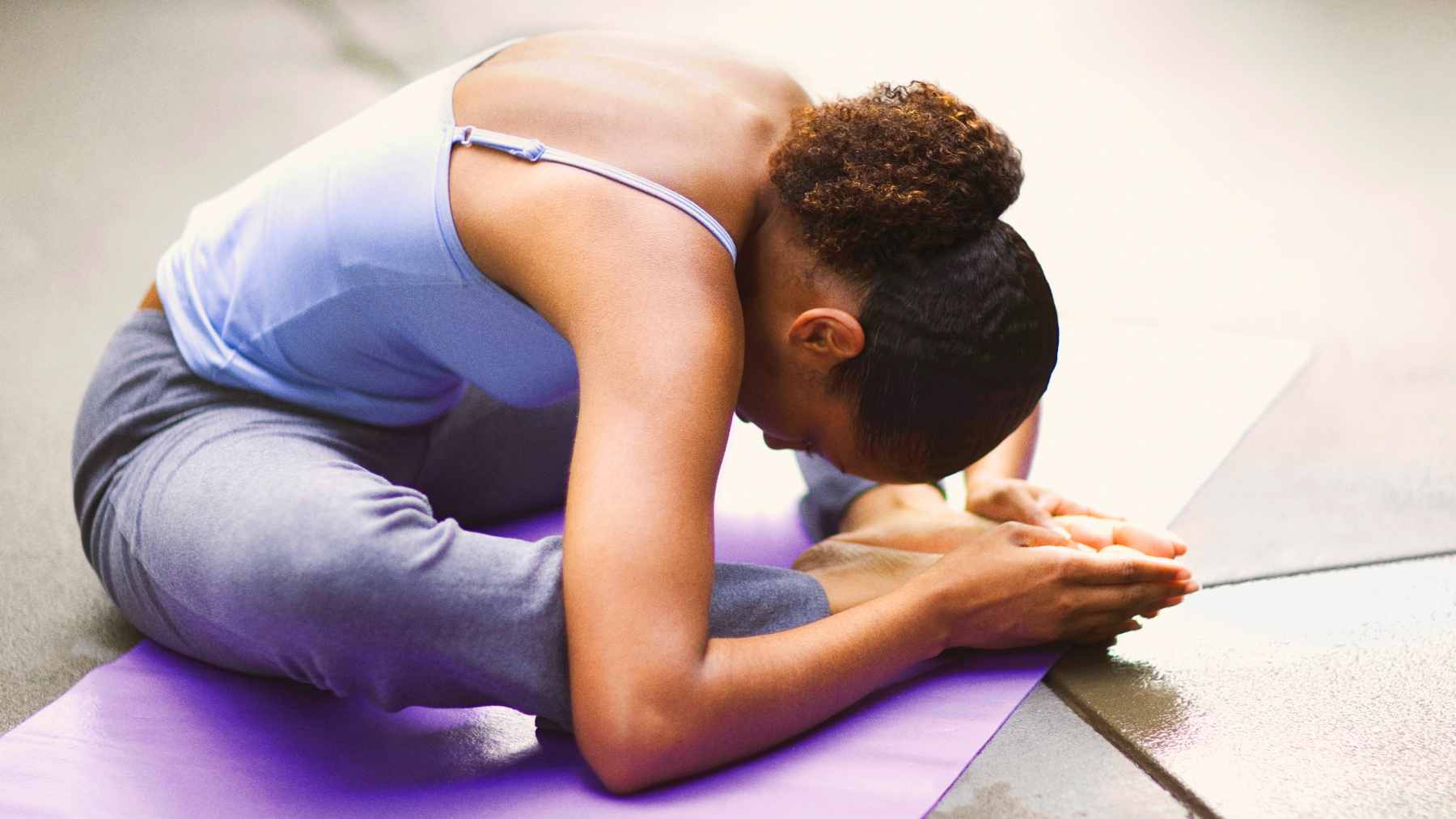
The trial looked at a program called Yoga for Cancer Survivors, or YOCAS. It was not hot yoga, power yoga, or a demanding workout. It used gentle hatha and restorative yoga, breathing exercises, mindfulness, and simple postures that can be adjusted for different bodies.
Yoga, in this setting, means a mind-body practice. That is a formal way of saying it combines movement with breathing and attention.
For someone recovering from cancer treatment, that slower pace matters because the goal is not to perform a perfect pose, but to calm the body enough to help sleep and stress.
The research was highlighted at the 2026 annual cancer meeting in Chicago. Yuri Choi, a research assistant professor at the University of Rochester Medical Center, led the latest analysis, with senior researcher Karen Mustian of Wilmot Cancer Institute involved in the work.
Mustian put the message plainly, saying, “Clinicians should not be afraid to recommend gentle yoga.”

How the study worked
Researchers recruited 410 adult cancer survivors in the United States who had sleep problems and were not regular yoga practitioners. The average age was 54, almost all participants were women, and three out of four were breast cancer survivors.
Participants had completed primary treatment and did not have cancer that had spread to distant parts of the body.
The volunteers were split into two groups. One received standard survivorship care, such as follow-up visits and monitoring. The other received the same care plus four weeks of the YOCAS program.
The yoga group attended two instructor-led classes each week, with each class lasting 75 minutes. They also practiced at home, adding at least 30 minutes per week. Essentially, it was a steady but modest routine, not a lifestyle overhaul.
The trial ran through a research network supported by the National Cancer Institute.
Better sleep and mood
The key finding was straightforward. Survivors who practiced yoga reported less insomnia, less anxiety, less fatigue, and better overall mood than those who received standard care alone.
That matters because sleep is not a side issue. Poor sleep can spill into everything else, from memory and patience to appetite and energy. Anyone who has stared at the ceiling at 3 a.m. knows how quickly one bad night can color the next day.
Earlier published research on the same YOCAS program found that yoga improved sleep quality and reduced the use of sleep medication among cancer survivors.
That older work also noted that many survivors rated the program as useful for sleep, which is important because a treatment only helps if people can actually stick with it.
Why a gentle approach matters
Cancer survivorship often comes with a long list of symptoms that overlap. Fatigue can make exercise feel impossible. Anxiety can make sleep harder. In turn, poor sleep can make fatigue and mood worse the next morning.
That loop is exactly why researchers are interested in approaches that address more than one symptom. The new analysis found about a five-point improvement in overall mood disturbance, with smaller but meaningful changes in anxiety and fatigue.
A simple program that touches all four problems could fill a real gap.
Still, the key word is gentle. The study did not test strenuous yoga styles, and the results should not be stretched to mean that every yoga class has the same effect.
Not a cancer treatment
There is an important boundary here. Yoga is not a cancer drug, and it is not a replacement for surgery, chemotherapy, radiation, immunotherapy, hormone therapy, or medical follow-up.
What the study suggests is more specific, and for many survivors, more practical. After treatment, yoga may help people manage the lingering physical and emotional side effects that can make recovery feel incomplete.
That kind of support is becoming more urgent as survival improves. More people are living years after a diagnosis, and health systems are paying closer attention to what life feels like after the last infusion, scan, or appointment.
What survivors should know
For survivors interested in trying yoga, the takeaway is not to jump into the hardest class on a studio schedule. A beginner-friendly, restorative, or oncology-informed program is closer to what researchers studied.
It is also smart to talk with a cancer care team first, especially for people with bone weakness, balance problems, recent surgery, nerve pain, heart concerns, or severe fatigue. Small adjustments, like chair-based poses or extra support under the knees, can make a big difference.
At the end of the day, this research does not promise a cure for sleeplessness or anxiety.
The official abstract has been published in the Journal of Clinical Oncology.