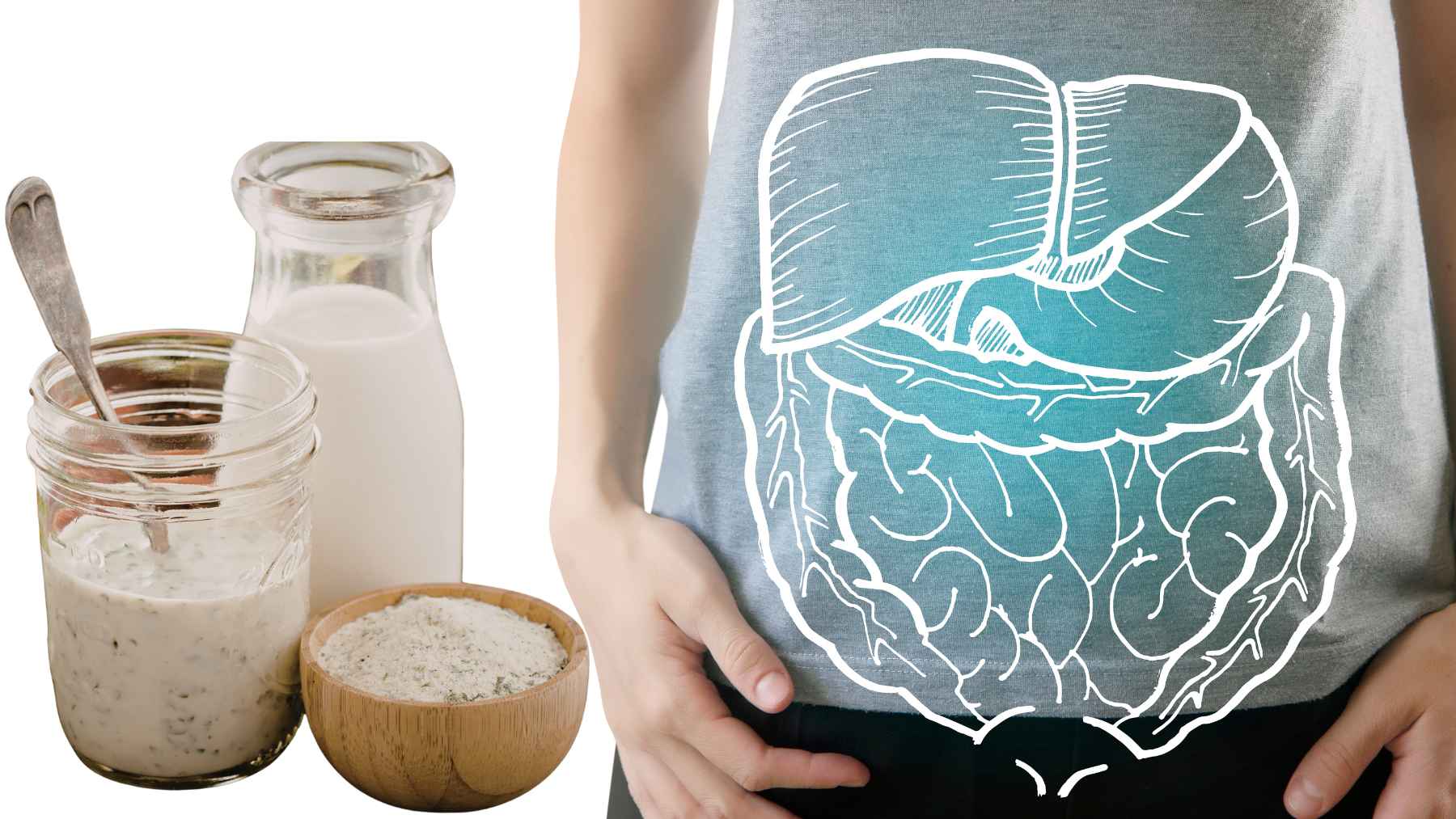
Probiotic capsules now sit in many medicine cabinets, sold with the promise of calmer digestion and a healthier gut. But gut specialists are sounding a more cautious note, saying these live microbes may help in certain situations, yet they do not appear to reprogram the intestinal microbiota for the long run.
The community of bacteria and other tiny organisms that live in the gut is called the microbiota. Think of it as a bustling neighborhood, shaped by food, medicines, age, and each person’s biology. A capsule can visit that neighborhood, but it rarely becomes the new mayor.
What probiotics are
Probiotics are live microorganisms, mainly bacteria or yeasts, that are added to foods or sold as supplements. The Spanish Agency for Food Safety and Nutrition says the European Union still has no single legal definition for the term, even though live microorganisms are found in foods such as yogurt and kefir.
That gap matters because a product can sound scientific without proving every broad health claim. The agency also notes that many commonly used microorganisms have not shown a beneficial effect in the healthy general population under European food-claim standards.
Where evidence is stronger
One of the clearest uses is linked to antibiotics. These drugs can wipe out harmful bacteria, but they can also disturb helpful gut microbes, leading to diarrhea, appetite changes, and digestive discomfort.
Anna Ramírez, a pharmacist with the Col·legi de Farmacèutics de Barcelona, says certain preparations can help protect and restore the gut during antibiotic treatment.
The World Gastroenterology Organisation also reports evidence that some probiotics can help prevent antibiotic-associated diarrhea in adults and children, though the benefit depends on the strain and the situation.
Independent reviews keep the picture mixed. The National Center for Complementary and Integrative Health points to a 2017 review of 17 studies involving 3,631 people that linked probiotics with about half the likelihood of antibiotic-associated diarrhea, but called the conclusion tentative because study quality did not match exacting standards.
The same overview says risks are higher for people with severe illness or weakened immune systems.

A berry probiotic smoothie made with fermented ingredients and fruit, illustrating the role of diet in supporting gut health alongside evidence-based probiotic use.
Why the gut resists a reset
Dr. Lucía Márquez, a gastroenterologist at Hospital del Mar, says more patients are buying probiotics freely in pharmacies as interest in the microbiota grows. She also warns that the commercial push has moved faster than the evidence for many uses.
Each person has something like a microbial fingerprint. That helps explain why a supplement may cause temporary changes without reshaping the gut for months or years. Two people can take the same capsule and get different results.
A 2018 Weizmann Institute of Science report described this problem in a vivid way.
In cell studies involving mice and people, researchers found that some participants hosted probiotic microbes while others largely expelled them, and a separate antibiotic study even suggested that probiotics could slow down a return to a person’s pre-antibiotic gut pattern in some cases.
Most claims remain shaky
This does not mean probiotics are useless. It means the label needs to match the evidence. The American Gastroenterological Association has said there is not enough evidence to support probiotics for most digestive conditions, while identifying only a few clinical settings where certain products may help.
That is why a vague promise like “supports gut health” should raise questions. How does it support? In whom? For how long?
Bloating and gas are good examples. The gut ecosystem can play a role in those symptoms, but experts warn that current studies are not strong enough to recommend probiotic supplements for everyone with mild digestive discomfort.
Reading the label matters
A serious probiotic label should name the exact microorganisms inside it. It is not enough to say “Lactobacillus,” because different strains within the same broad group may behave differently.
The label should also state how many live microorganisms are present, how to take the product, how to store it, and who makes it. Skip those details, and the capsule starts to look less like a targeted product and more like a guess.
Timing matters too. Ramírez advises separating probiotics and antibiotics by two to four hours, because taking them together may let the antibiotic destroy the microorganisms in the supplement.
Food still does the heavy lifting
For most people, the less flashy answer is still the best one. Everyday eating habits matter. A fiber-rich diet, fewer ultra-processed foods, and fermented foods such as yogurt, kefir, kombucha, or kimchi are more likely to support the gut over time.
That advice may sound boring next to a neatly packaged capsule. But the gut is fed meal by meal, not just pill by pill. A steady pattern on the plate may matter more than a quick purchase at the counter.
So, can a capsule improve gut health long term? For the most part, current evidence says no. It may help in specific situations, but the microbiota is not a computer you restart with one button.
A cautious way forward
The fairest answer is not “never take probiotics.” It is “take the right one, for the right reason, and with realistic expectations.” That is especially important for children, older adults, people with chronic disease, and anyone taking antibiotics.
Anyone considering probiotics for a health problem should ask a health professional which strain has evidence for that exact use. A good product should be specific, properly stored, and tied to a real reason for taking it.
The main official guidance used for this report has been published by AESAN, the World Gastroenterology Organisation, and the American Gastroenterological Association.
The main scientific study on post-antibiotic microbiome recovery has been published in Cell.