Triglycerides sound like something that only matters inside a doctor’s office, but they are shaped to a large extent by ordinary choices, the kind that show up at breakfast, in packed lunches, and during that late-afternoon snack hunt.
A new seven-day meal plan written by registered dietitian Emily Lachtrupp and reviewed by Jessica Ball puts one simple target at the center: more fiber without turning the week into a joyless diet project.
The plan is built around 1,800 calories a day, with adjustments for people who need about 1,500 or 2,000 calories. Each day provides at least 84 grams of protein and 31 grams of fiber, using foods such as nuts, fruit, beans, oats, vegetables, salmon, and whole grains to help support fullness and heart health.
What triglycerides are
Triglycerides are the most common type of fat in the body. They store extra energy from food, and some are needed for good health, but high levels in the blood can raise the risk of heart disease and stroke, according to the National Heart, Lung, and Blood Institute.
A triglyceride level below 150 mg. per deciliter is usually considered normal, though doctors read that number alongside other risks. The American Heart Association notes that refined carbohydrates, alcohol, inactivity, smoking, and weight gain can all affect triglyceride levels.
Why fiber matters
Fiber is a type of carbohydrate the body cannot fully digest. That sounds simple, but it changes how food moves through the body and how full a meal can feel.
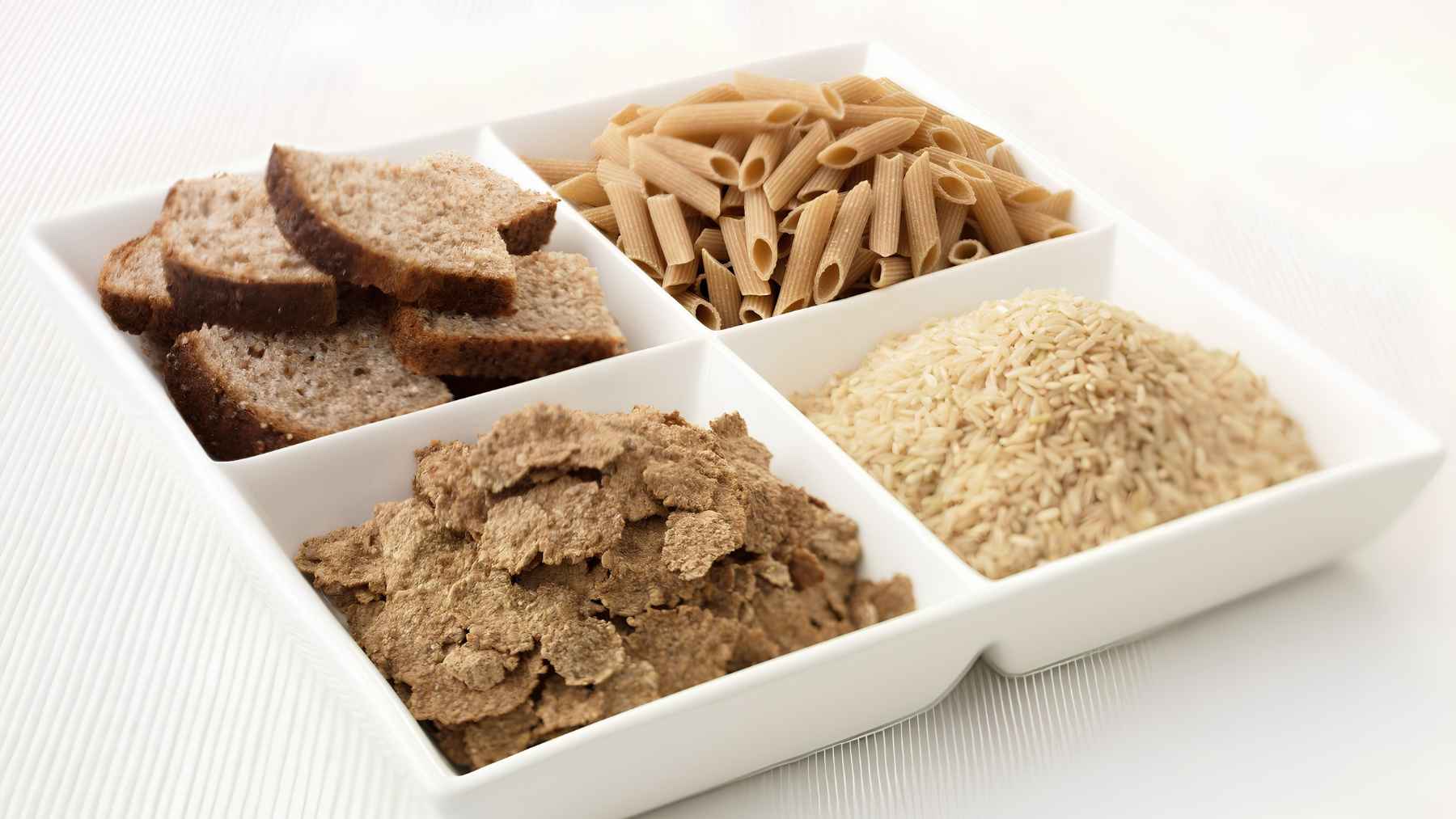
There are two main kinds. Soluble fiber dissolves in water and forms a gel-like substance that can slow digestion, while insoluble fiber helps move food and waste through the digestive system. The U.S. Food and Drug Administration says fiber is found naturally in beans, peas, lentils, fruit, nuts, seeds, vegetables, and whole grains.
The meals feel familiar
This is not a week of tiny portions and sad salads. Breakfasts include avocado toast with soft-boiled eggs, high-protein overnight oats with strawberries and peanut butter, and scrambled eggs with spinach, feta, and pita.
Lunch leans on repeatable meals, which is helpful when life gets busy. Chicken, spinach, and feta wraps show up more than once, along with chicken and cabbage soup with pesto, the kind of make-ahead meal that can save a workday lunch from becoming a vending machine decision.
Dinners keep the plan from feeling stuck. The week moves through salmon couscous salad, zucchini and chicken pasta, grilled pork tacos, hot-honey chicken and pineapple kebabs, spiced couscous-stuffed peppers, summer chicken Parmesan, and shrimp lettuce wraps.
The plan uses practical prep
One smart part of the plan is repetition. Overnight oats are prepared for several breakfasts, and the chicken and cabbage soup covers multiple lunches, which means the plan relies less on willpower and more on having food ready.
The calorie adjustments also happen mostly through snacks and add-ons. For a lower-calorie version, items such as almonds, kefir, yogurt, or fruit may be reduced or removed, while the higher-calorie version can add foods like banana with almond butter or extra nuts.
That matters because a meal plan is only useful if someone can actually follow it. In practical terms, this one tries to make fiber a routine, not a one-day cleanup after a bad blood test.
Add fiber slowly
There is one catch. Jumping from a low-fiber diet to a high-fiber week overnight can cause bloating, gas, constipation, diarrhea, or cramps, especially if water intake does not rise with it.
The Centers for Disease Control and Prevention advises adults to get about 22 to 34 grams of fiber each day, depending on age and sex, and recommends increasing fiber gradually while drinking plenty of water.
It also points to simple swaps such as oatmeal with nuts and berries, whole grains, vegetables, beans, fruit, and seeds.
Food pattern over quick fix
No single menu can replace medical care, especially for people who have been told their triglycerides are very high or who also have diabetes, kidney disease, thyroid disease, or other health conditions. Still, food can be a powerful part of the bigger picture.
The American Heart Association emphasizes overall eating patterns, calorie balance, physical activity, fruits, vegetables, whole grains, legumes, nuts, fish, and lean protein for cardiovascular health.
At the end of the day, that is what this seven-day plan is really trying to do–make the heart-health advice feel like a grocery list instead of a lecture.
The main meal plan has been published in EatingWell.