Popular fiber supplement may worsen fatty liver, new study warns
The promise sounds tempting. Take a capsule, “detox” the liver, and undo the damage from years of rushed lunches, sugary drinks, and long hours sitting at a desk. But new research suggests the story is not that simple.
A study from Edith Cowan University found that ellagic acid, a natural antioxidant found in foods such as pomegranates, berries, grapes, and walnuts, appeared to protect the liver in mice with fatty liver-like disease. The surprise was inulin, a common prebiotic fiber, which worsened several markers when taken on its own.
Fatty liver is often quiet
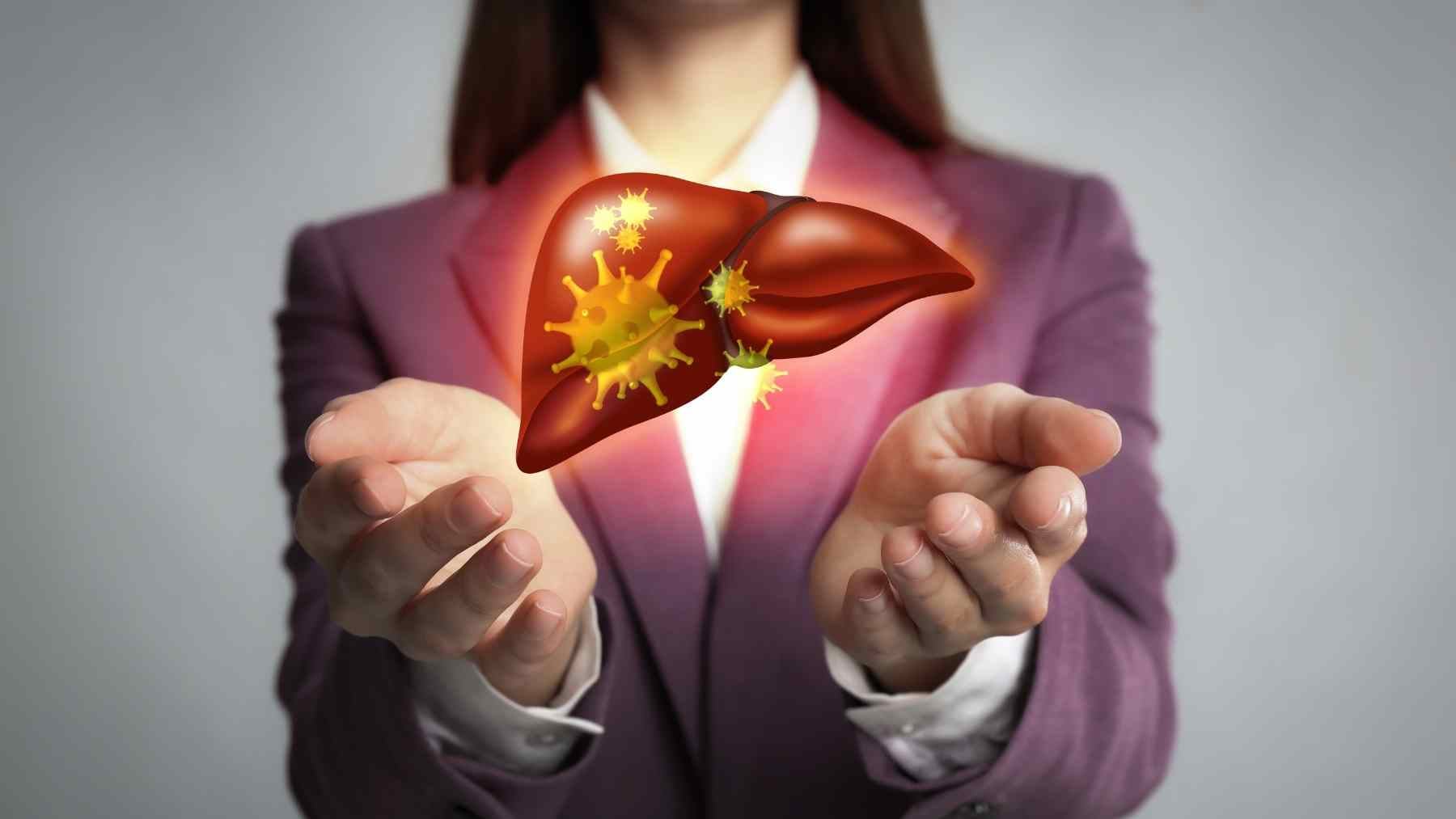
Fatty liver disease, now often called metabolic dysfunction-associated steatotic liver disease or MASLD, happens when too much fat builds up inside liver cells. It is linked to obesity, type 2 diabetes, high blood pressure, high cholesterol, and low physical activity.
That makes it easy to miss. Many people feel fine for years, while the liver slowly struggles in the background. By some estimates cited by ECU, the condition affects about 38 percent of adults worldwide.
The problem is what can happen next. In some people, fatty liver can progress to inflammation, scarring, liver failure, or liver cancer. Not everyone will reach that point, but the risk is serious enough to make prevention matter.
What researchers tested
The ECU team studied mice fed a Western-style diet designed to trigger liver changes similar to nonalcoholic steatohepatitis, a more advanced form of fatty liver disease. Researchers then looked at ellagic acid, inulin, and the two nutrients together.
Ellagic acid is found naturally in several fruits and nuts. Inulin, on the other hand, is a soluble fiber often used in prebiotic supplements meant to support gut health.
Associate Professor Lois Balmer said the research showed that diet matters, “not just what we eat, but how different nutrients interact in the body.” That may be the most practical lesson here.
The inulin twist
Ellagic acid alone showed promising effects in the animals. According to ECU, it helped reduce liver fat, inflammation, and signs of liver damage in the mouse model.
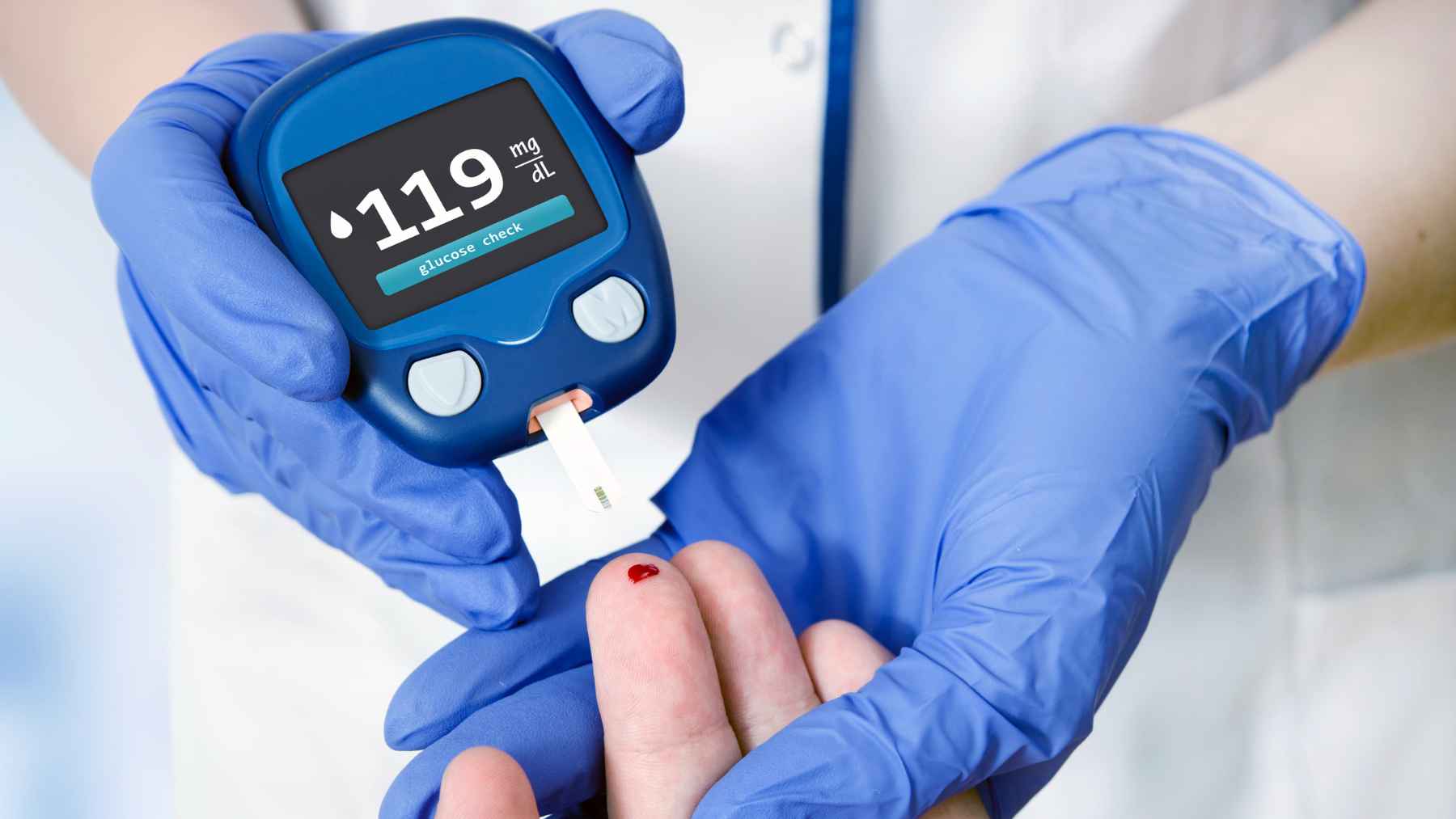
Inulin alone did the opposite in several ways. The researchers reported more body weight, higher blood glucose, and worse liver damage, possibly connected to changes in gut microbes.
When inulin was combined with ellagic acid, some of those negative effects were reduced. Still, that does not turn the combination into a treatment for people. It simply shows that nutrients can behave differently depending on what they are paired with.
Food is not a prescription
This is where many wellness claims get ahead of the science. A food that contains a beneficial compound is not the same thing as a concentrated supplement, especially when the evidence comes from animal research.
Mayo Clinic says lifestyle habits such as reaching a healthy weight, eating well, and staying active are still the most effective ways to manage MASLD. It also warns that vitamins and supplements cannot cure the condition or replace healthy habits.
That matters when “liver cleanse” products show up online with dramatic promises. Some supplements that claim to detox the liver may actually harm it, and others have not been proved effective for liver health.
What actually helps
The strongest evidence still points to everyday habits, even if they sound less exciting than a new capsule. Mayo Clinic notes that losing 5 percent of total body weight can reduce liver fat, while losing 7 to 10 percent may reduce inflammation and improve scarring.
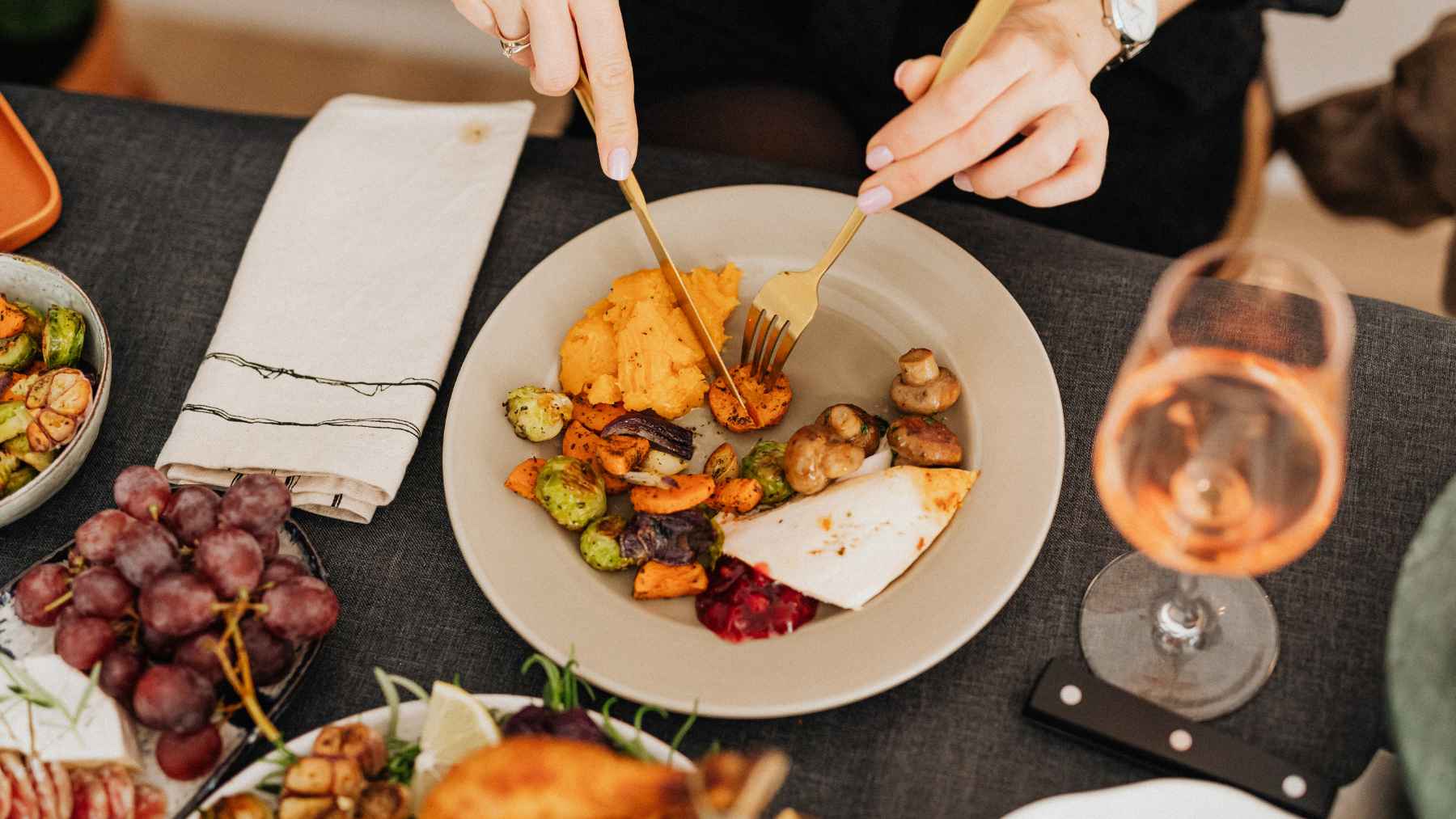
A Mediterranean-style diet is one of the best-studied approaches. In practical terms, that means more fruits, vegetables, whole grains, legumes, nuts, fish, and healthier fats, and fewer ultra-processed snacks, sugary drinks, refined carbs, and foods high in saturated fat.
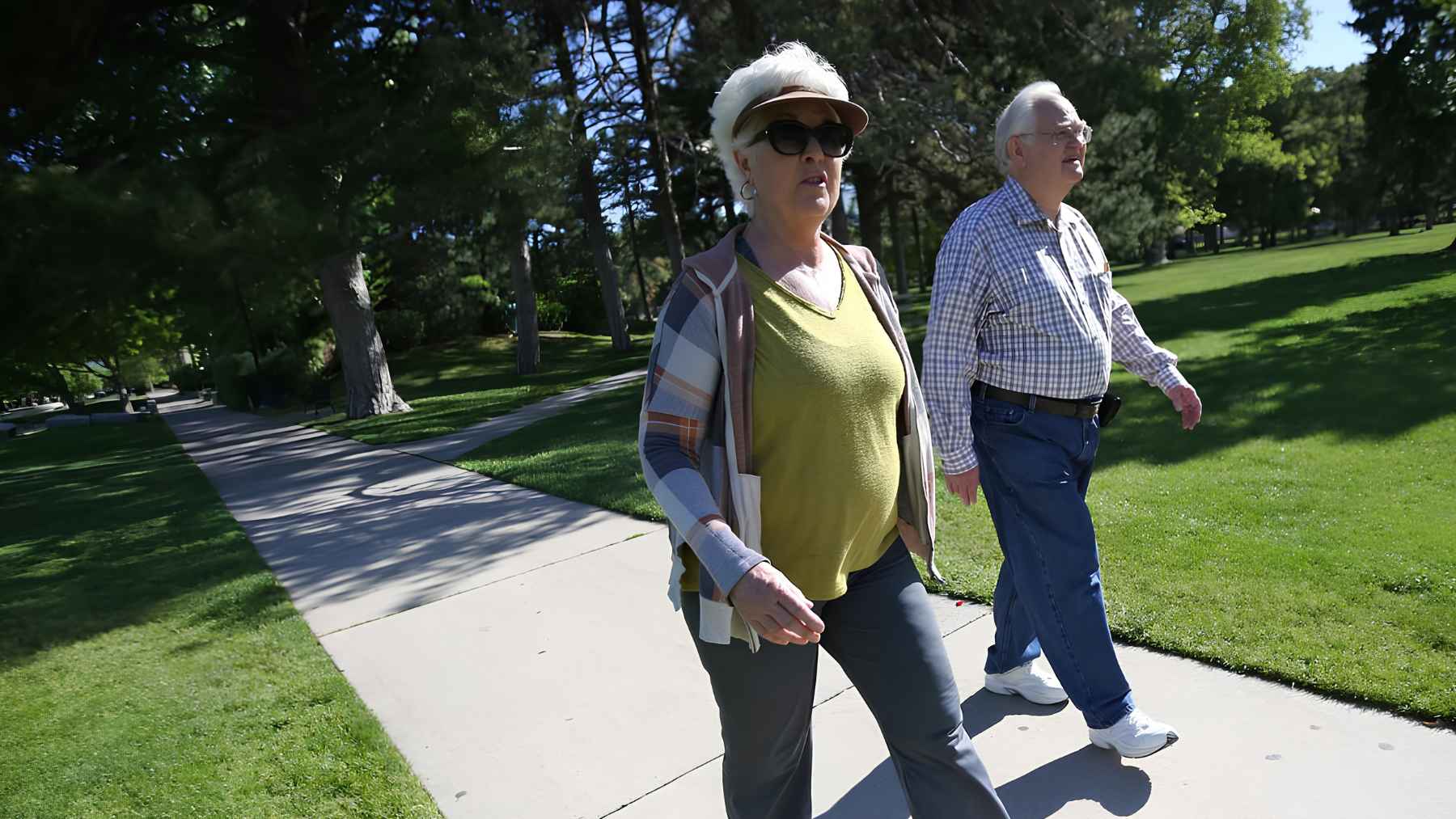
Movement counts too. Regular physical activity can help reduce liver fat and may help prevent scarring even before weight loss shows up on the scale. A walk after dinner is not glamorous, but it is a start.
Vitamins need caution
Some supplements are being studied for liver health, but the picture is mixed. Vitamin E may help some people with MASLD, but Mayo Clinic says it is not safe for everyone and may be inappropriate for people with type 2 diabetes or serious liver scarring.
Omega-3 fatty acids may reduce liver fat in some studies, but the results are not consistent. Experts generally prefer food sources first, such as salmon, sardines, walnuts, seeds, and leafy greens.
Beta carotene, lycopene, and curcumin are also being studied for possible antioxidant or anti-inflammatory effects. For now, the evidence is not strong enough to treat them as a cure, and anyone using supplements should tell a healthcare professional.
The bottom line
The new study does not mean pomegranates or walnuts will reverse fatty liver by themselves. It also does not mean every prebiotic fiber is dangerous for everyone.
What it does suggest is more down-to-earth and more useful. The liver is affected by the whole routine, not one isolated ingredient, and supplements can have unexpected effects when the body, metabolism, and gut microbiome are already under stress.
For most people, the safer path is not a detox bottle. It is medical follow-up, a balanced eating pattern, regular movement, and caution with any capsule that promises too much.
The study was published on Wiley Online Library in Molecular Nutrition & Food Research.