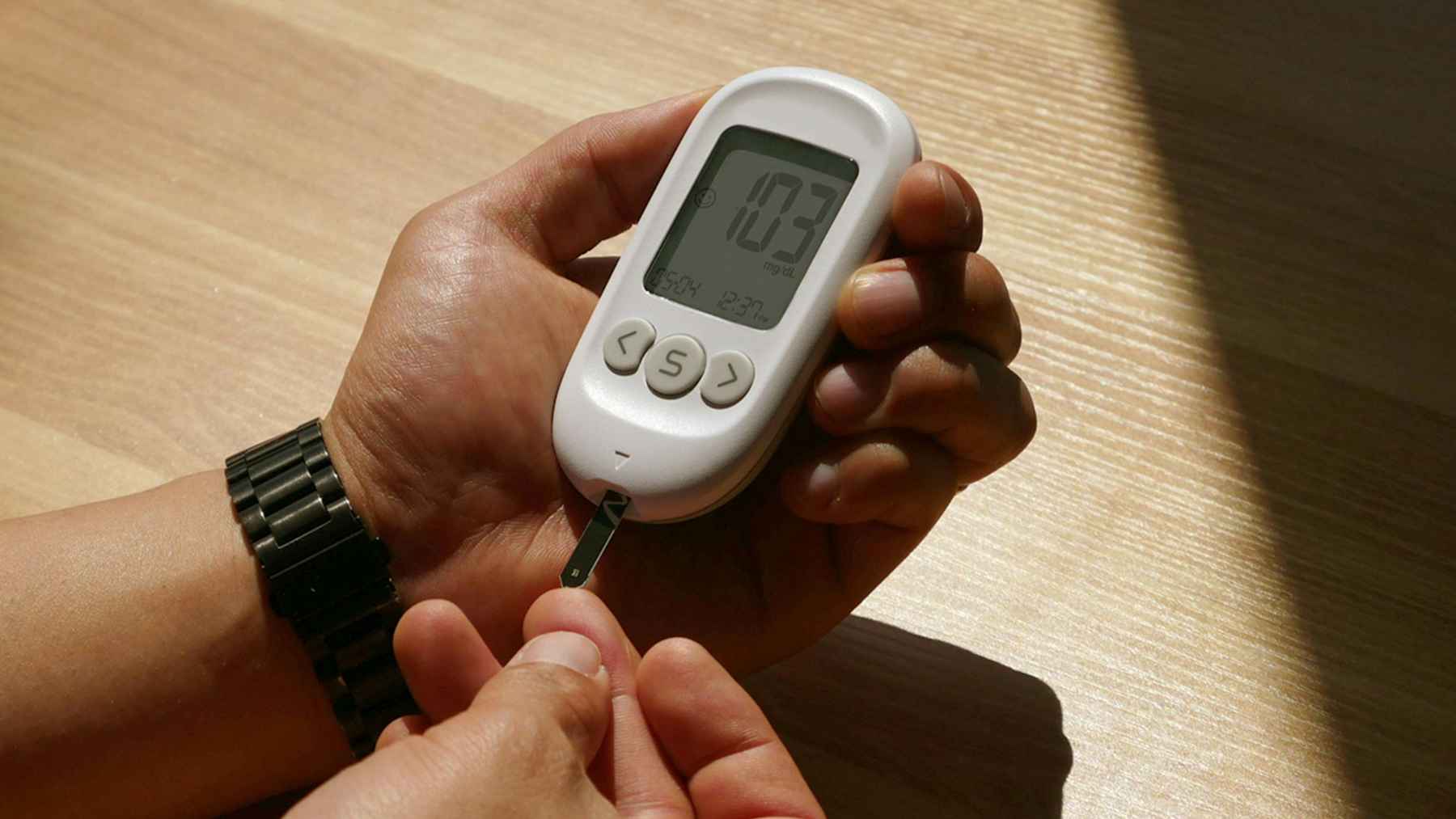
That sweet iced coffee or afternoon snack is not, by itself, a diabetes diagnosis. Risk builds through a mix of genes, age, body fat, diet, and inactivity, which can make insulin less effective. CDC estimates published in 2026, based on 2023 data, say 115.2 million U.S. adults have prediabetes, and most do not know it.
The encouraging part is that prevention does not require a punishing diet or a drawer full of supplements.
In the landmark Diabetes Prevention Program, a 150-minute weekly activity target and modest weight loss cut progression to type-2 diabetes by 58% over about three years. A 21-year follow-up shows the early advantage did not simply vanish.
What prediabetes means
Prediabetes means blood sugar is higher than normal but not yet at diabetes level. Insulin works like a key, helping sugar move from the blood into cells for energy. When cells stop responding well, the pancreas works harder and blood sugar begins to climb.
This stage often causes no obvious warning signs. Risk rises with excess weight, low activity, family history, diabetes during pregnancy, and a hormone condition called polycystic ovary syndrome. It remains more common after age 45, but younger people are increasingly affected.
Why 150 minutes matters
Moving muscles use glucose for fuel and help the body respond better to insulin. The target is at least 150 minutes of moderate activity each week, such as brisk walking. That works out to 30 minutes on five days, but shorter blocks can count.
A walk after dinner, cycling for errands, or dancing in the living room can all move the total upward. No gym is required. The point is consistency, not one exhausting workout on Sunday.
People who are inactive should start gradually, especially with heart, joint, or balance problems. A health professional can help tailor activity safely. The best routine is the one that survives busy weeks.
Food changes that last
Sugary drinks are an easy first target because they add sweetness without much fiber or fullness. Swapping soda, sweetened coffee, and boba for water or unsweetened drinks can remove a major source of added sugar. That is often easier than banning every dessert.
Carbohydrates are not the enemy. Whole grains, beans, vegetables, and whole fruit generally bring more fiber than refined grains or strained juice.
The American Diabetes Association’s 2026 guidance recognizes Mediterranean-style eating built around vegetables, beans, whole grains, and unsaturated fats, as well as lower-carbohydrate patterns.
Cutting back on salt is sensible, particularly for blood pressure. But the strongest diabetes-prevention evidence does not center on salt alone. It supports the whole pattern, including calorie balance when weight loss is needed, fewer sugary drinks, higher-fiber foods, and regular movement.
What the landmark trial found
William C. Knowler and the Diabetes Prevention Program Research Group enrolled 3,234 high-risk adults at 27 U.S. centers. The National Institute of Diabetes and Digestive and Kidney Diseases supported the trial.
One group aimed to lose 7% of body weight and exercise 150 minutes weekly, another took metformin, and a third received an inactive pill.
After about three years, the lifestyle group had 58% fewer new diabetes cases than the inactive-pill group. Metformin lowered the rate by 31%, while lifestyle change cut it by 71% among participants age 60 and older. In that trial, daily habits outperformed the pill overall.
The 2025 follow-up tracked 3,195 participants for about 21 years, with diagnoses remaining 24% lower in the original lifestyle group and 17% lower in the metformin group. Time without diabetes was extended by about three and a half years and two and a half years, respectively.
“Even if you wait until midlife to change your diet and activity levels, you can add many years of life free from diabetes,” said Lynn Goldman, dean of the George Washington University Milken Institute School of Public Health.
Pills and supplements
Metformin, which helps the body respond to insulin and reduces sugar released by the liver, can be considered for selected people with high-risk prediabetes. This includes some younger adults with severe obesity or prior diabetes during pregnancy. It is a prescription decision, not a do-it-yourself shortcut.
Vitamin D and chromium are more complicated than advertising suggests. A large clinical trial involving 2,423 adults found that daily vitamin D did not significantly lower diabetes risk overall, while current guidance says evidence is insufficient to recommend chromium routinely.
Taken together, the data do not support a blanket 68% prevention promise from the combination.
When to get tested
Prediabetes can sit quietly for years, so waiting for symptoms is risky. Frequent urination, unusual thirst or hunger, unexplained weight loss, fatigue, blurry vision, or slow-healing sores deserve medical attention.
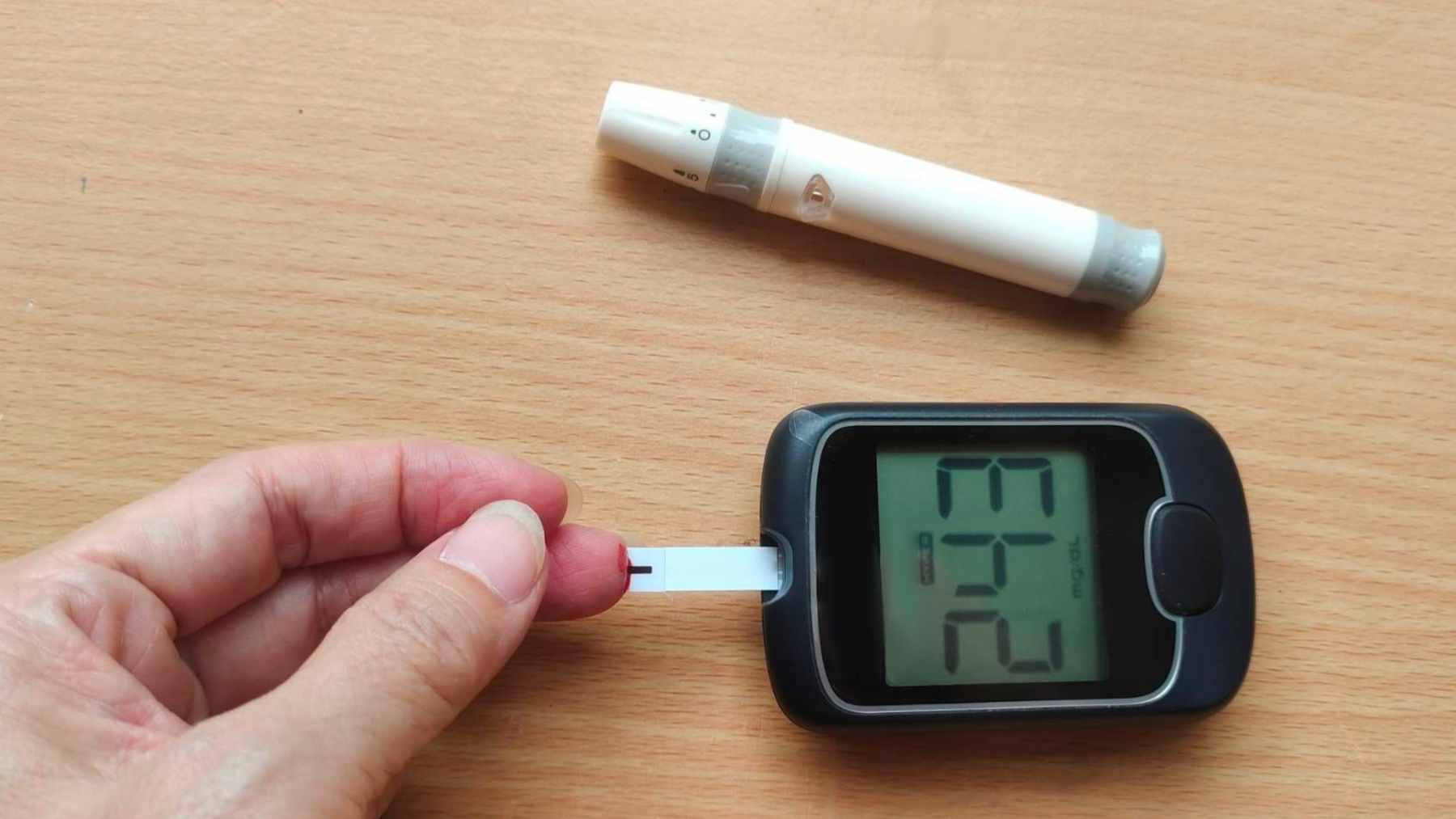
A blood test can check fasting glucose or A1C, which reflects average blood sugar over roughly three months.
The U.S. Preventive Services Task Force recommends screening adults ages 35 to 70 who have overweight or obesity, with earlier testing for some higher-risk groups.
Anyone with symptoms should contact a clinician rather than trying supplements or prescription drugs alone. A routine blood draw can change what happens next.
The long-term Diabetes Prevention Program study was published in The Lancet Diabetes & Endocrinology.