Do you wake up parched, unusually hungry, or rushing to the bathroom? Any one of those can have an ordinary explanation, from a salty dinner to a restless night. When the same pattern keeps returning, however, it may be a clue that too much glucose is staying in the blood.
British pharmacist Abas Kanani has highlighted the same trio after waking. “You may notice you have increased thirst, or hunger, or feel the need to pee frequently,” he said, though these symptoms are not unique to morning and cannot diagnose diabetes by themselves.
That distinction matters because more than 40 million Americans have diabetes, while more than one in four adults with the disease do not know it, according to the Centers for Disease Control and Prevention.
Three signs to watch
Persistent thirst is the first clue. When blood glucose rises, the kidneys may pass some of the extra sugar into urine, and frequent urination can leave the body short of fluid. Waking with a dry mouth can be normal, but thirst that remains strong after drinking deserves attention.
The second sign is intense or constant hunger. In type-2 diabetes, insulin does not work as well as it should, so glucose has trouble moving from the bloodstream into cells that need energy. The body may respond by asking for more food, even soon after a meal.
Frequent urination completes the trio. High glucose can lead to glucose in the urine and repeated bathroom trips, including during the night. A single busy night proves little, but a clear change from your usual routine is worth noting.
Why morning can reveal the pattern
Medical guidance lists thirst, hunger, and frequent urination as general diabetes signs, not morning-only symptoms. They may simply feel harder to miss after several hours without food or water, especially if nighttime bathroom trips have interrupted sleep. Sunrise can reveal the pattern, but it does not create it.
There is also a real early-morning effect called the “dawn phenomenon.” Hormones released as the body prepares to wake can push glucose higher, particularly in people who already have diabetes. It is one piece of the puzzle, not a home diagnosis.

Other symptoms that matter
Diabetes does not always announce itself with the same three signs. The UK’s National Health Service (NHS) also lists unusual fatigue, unexplained weight loss, blurred vision, slow-healing cuts, genital itching, and repeated yeast infections among possible symptoms of type-2 diabetes.
These changes often develop gradually, which is why they are easy to blame on stress, aging, or a rough week.
Numbness or tingling in the hands and feet can also occur, although it may appear later. Some people have symptoms so mild that they notice nothing at all.
That quiet progression is what makes routine screening important for people with risk factors such as a family history, excess weight, low physical activity, or older age.
A blood test gives the answer
So, what should you do if the warning signs sound familiar? Arrange a medical appointment rather than trying to diagnose yourself from thirst, appetite, or bathroom habits.
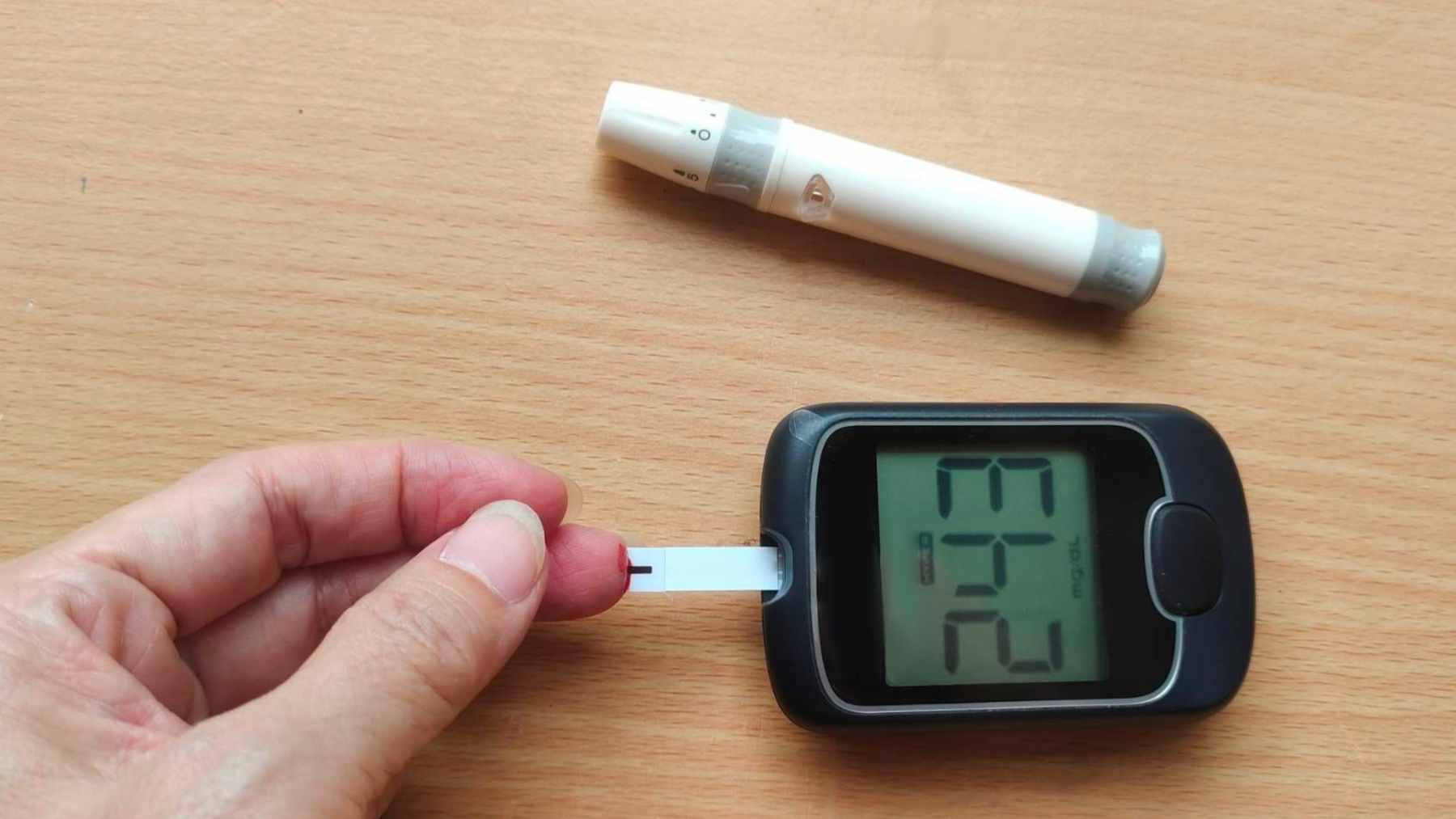
A clinician may use an A1C test, which estimates average blood glucose over roughly three months, or a fasting blood glucose test taken after an overnight fast.
Other options include a random blood glucose test or an oral glucose tolerance test that measures how the body handles a sweet drink. Results sometimes need confirmation with a second test. Symptoms can start the conversation, but testing gives the answer.

When symptoms need urgent care
Most type-2 diabetes symptoms build slowly, but rapidly worsening symptoms can signal a medical emergency. Get urgent help for intense thirst and urination combined with vomiting, stomach pain, deep or fast breathing, fruity-smelling breath, or severe exhaustion.
These can be signs of diabetic ketoacidosis, a dangerous buildup of acids in the blood.
This emergency is more common in type-1 diabetes, which can develop quickly in children, teenagers, and adults, but it can also happen in type-2 diabetes. Do not wait for a routine appointment when someone is becoming seriously ill.
Breakfast advice needs context
People who already have diabetes may hear that they should never skip breakfast or must eat within a set time after waking. The reality is more individual because meals, medicines, insulin, sleep, and activity can all affect glucose.
The safest approach is to follow a meal plan made with a health professional rather than a universal clock rule.
The practical takeaway is simpler: notice persistent changes, write down when they happen, and ask for testing instead of guessing.
Your morning routine may offer an early clue, but the blood test tells the story.
The official guidance on diabetes testing has been published by the National Institute of Diabetes and Digestive and Kidney Diseases.