Winter in Brazil began on Sunday, June 21, 2026, bringing closed shoes, thicker socks, and colder nights. For most people, that is just a seasonal shift. For people with diabetes, it can hide a real health risk.
The warning is simple, but easy to miss. Feet stay covered longer, dry out faster, and may be exposed to pressure or heat that a person with nerve damage cannot feel.
Guidance tied to the Sociedade Brasileira de Diabetes, known as SBD, says about 20 percent of hospitalizations among people with diabetes are caused by foot injuries.
Why winter changes the risk
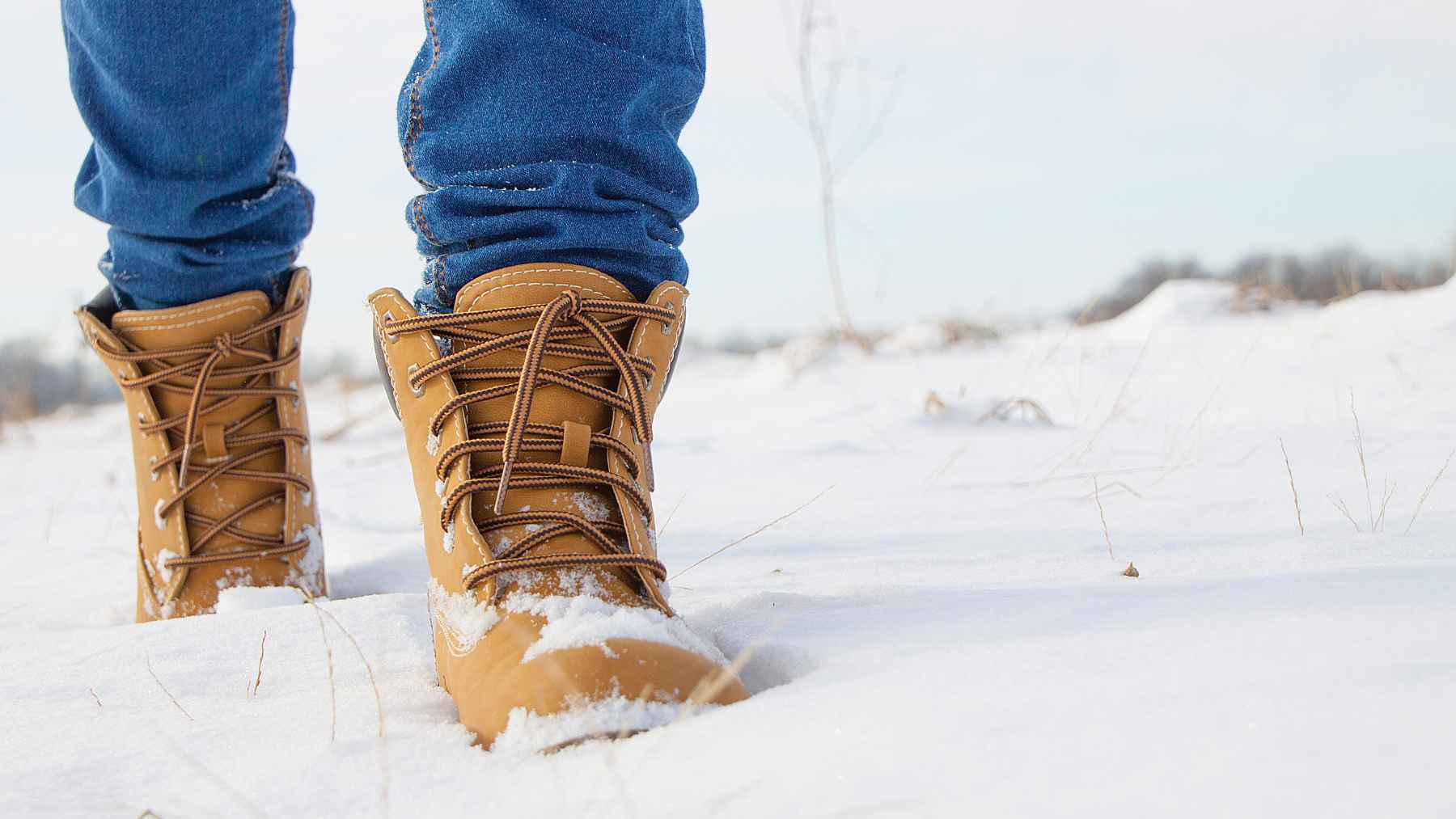
Cold weather changes daily habits. People wear tighter shoes, heavier socks, and may keep their feet covered from morning until bedtime. That makes it easier for a blister, rubbed spot, or small cut to go unnoticed.
Dry skin is another quiet problem. In colder months, skin can crack like dry ground after a long stretch without rain. Even a small split near the heel or between the toes can become a doorway for germs.
The injury may not hurt
Peripheral neuropathy means nerve damage in the outer parts of the body, especially the feet and legs. In practical terms, it can reduce the ability to feel pain, heat, cold, or pressure. The Centers for Disease Control and Prevention says about half of all people with diabetes have some form of nerve damage.
That is why the numbers matter. A related SBD guideline authored by Isabel C. N. Sacco, Maria do Livramento Saraiva Lucovéis, Suely Rodrigues Thuler, and Maria Cândida Ribeiro Parisi estimates that diabetic foot ulcers affect 19 to 34 percent of patients during their lifetime.
Once healed, these wounds can return, so prevention is not a one-time job.
Daily checks
What should people look for? The top, bottom, heels, soles, and spaces between the toes all need a quick daily check. A mirror can help, and asking a family member is not a sign of weakness.
Warning signs include color changes, blisters, calluses, wounds, swelling, odor, drainage, or a foot that feels warmer or colder than usual. These changes should be assessed by a health professional. Cutting, squeezing, or treating them at home can turn a small problem into a bigger one.
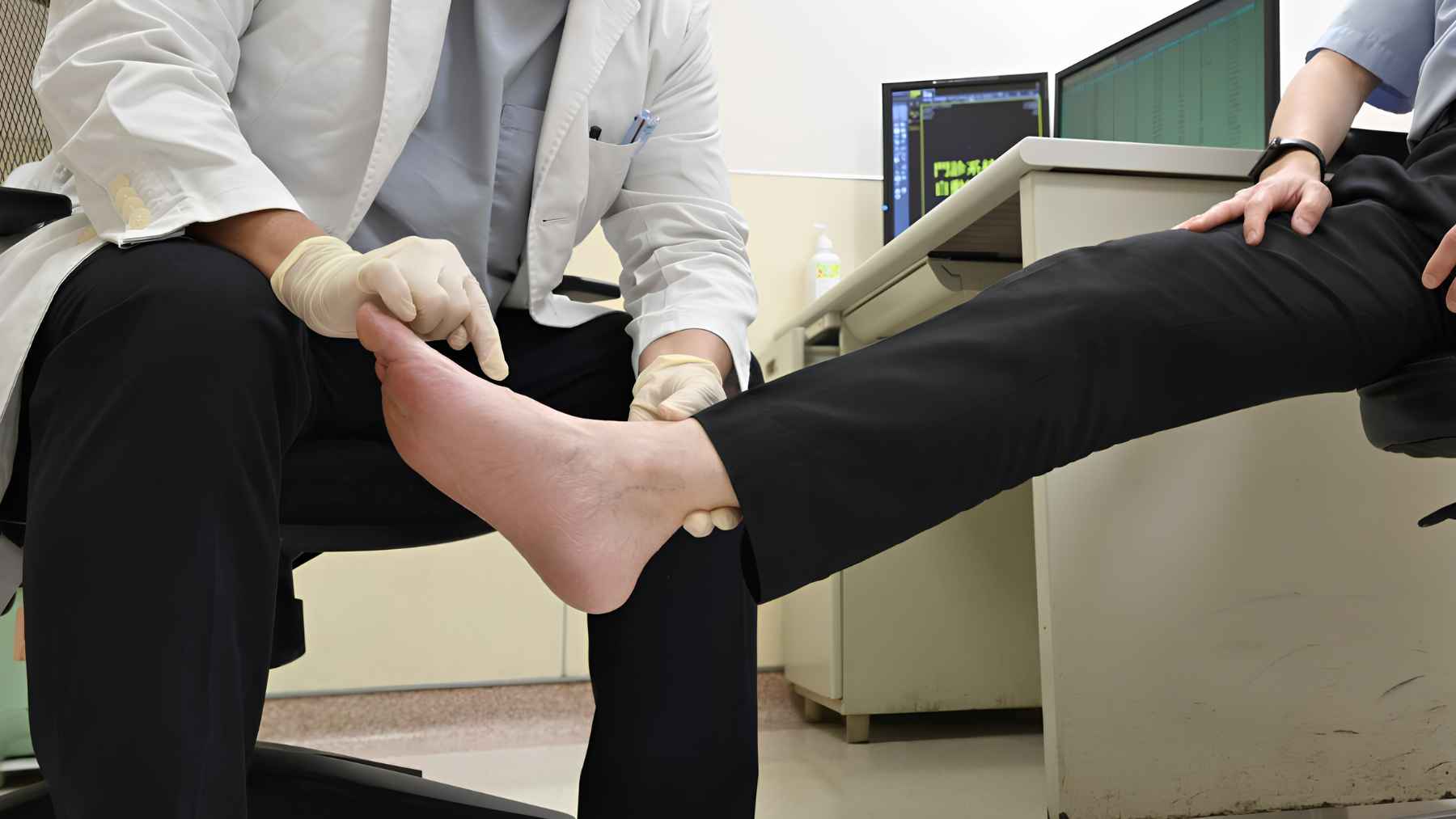
A healthcare professional performs a diabetic foot examination, checking for early signs of neuropathy, skin damage, and circulation issues. Regular foot screenings are one of the most effective ways to prevent serious complications, especially during the winter months.
Warm feet without risky shortcuts
A hot foot soak after a cold day sounds harmless. For a person with reduced sensation, it may not be. Heating pads, hot water bottles, and direct heat can burn the skin before the person realizes the temperature is too high.
Federal health guidance also advises people with diabetes not to walk barefoot and to check water temperature with a hand or elbow before washing. Warm socks and properly fitting slippers are safer than trying to chase cold away with direct heat.
Clean and dry matters
Daily washing should be done with lukewarm water and mild soap. Following on, the most important step is drying well, especially between the toes. Moisture trapped there can encourage fungus and skin breakdown.
Moisturizer can help prevent cracks on the tops and bottoms of the feet. But the American Diabetes Association warns against putting lotion between the toes, where extra moisture can increase infection risk. Small detail, big difference.
Shoes are safety equipment
Shoes for people with diabetes are not just a fashion choice. The front should give the toes room, the inside should be smooth, and the sole should help prevent slipping. SBD professional guidance describes footwear selection for people with diabetes as a clinical prescription.
The group’s diabetic foot department has technical criteria for safer models, including a sole at least about 0.8 inches thick, a heel no higher than about 0.8 inches, and a weight under about 0.9 pounds.
Before putting shoes on, run a hand inside to check for small stones, folded insoles, seams, or rough spots. One pebble can do damage if the foot cannot feel it.
Blood sugar still matters
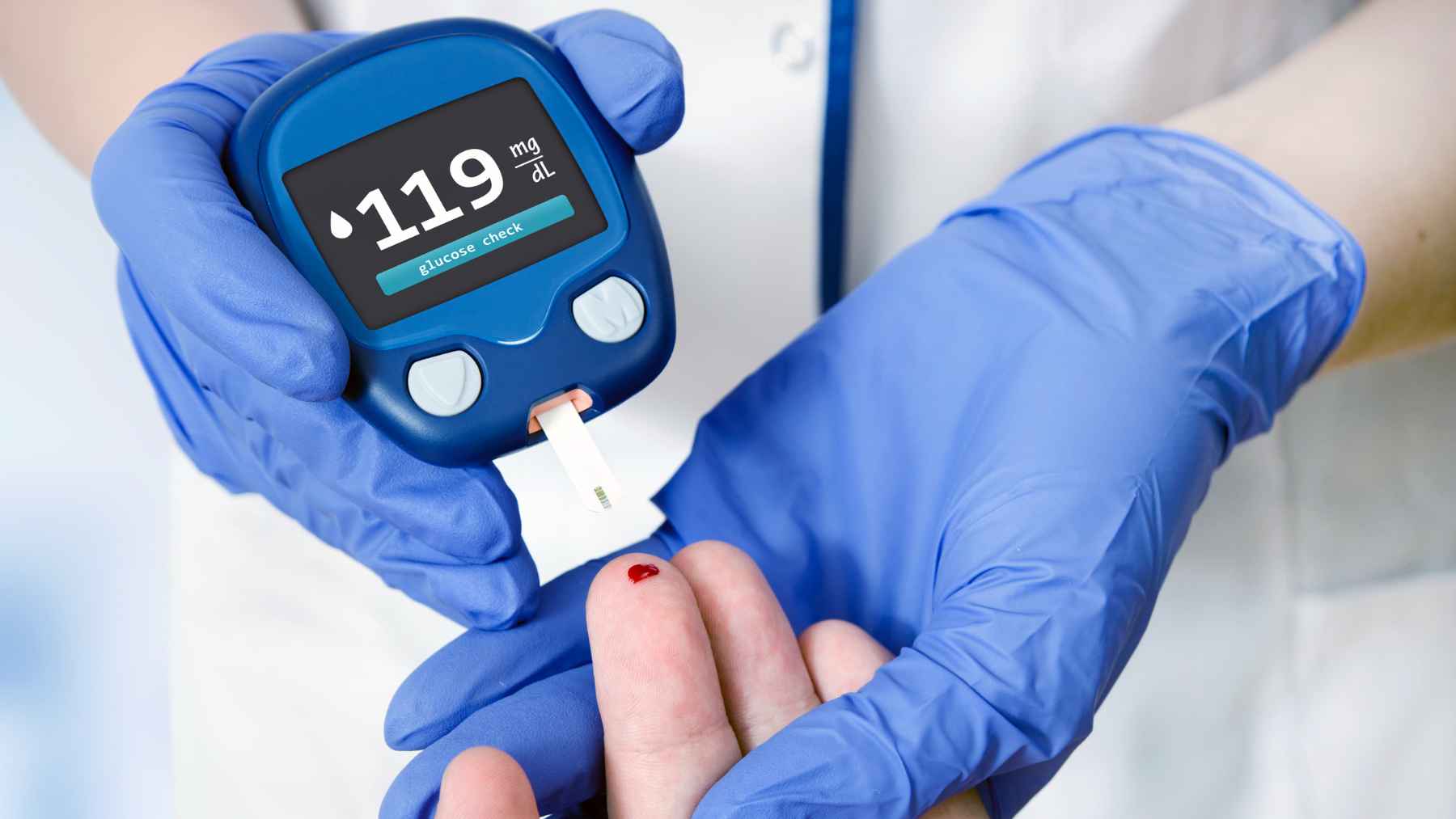
Foot care does not work alone. High blood sugar can damage blood vessels and weaken the body’s response to infection, which makes wounds slower to heal. That is why glucose control is part of foot protection, not a separate issue.
At the end of the day, winter foot care comes down to a few repeatable habits. Look every day, wash and dry carefully, moisturize the right areas, avoid direct heat, wear protective shoes, and get medical help early.
The main guidance has been published by the Sociedade Brasileira de Diabetes.