No pain, no dramatic warning, no obvious red flag. Prediabetes often moves quietly, yet it can be the moment when a person still has enough time to change the path toward type-2 diabetes.
That matters because theCenter for Disease Control (CDC) says 115.2 million American adults have prediabetes, and 8 in 10 do not know it, which means millions may be carrying a silent risk for diabetes, heart disease, and stroke without realizing it.
What prediabetes means
Prediabetes means blood sugar is higher than normal but not high enough for a type-2 diabetes diagnosis. In practical terms, the body is already having trouble handling sugar, even if daily life feels completely normal.
Insulin is the hormone that helps move sugar from the blood into the body’s cells for energy. When cells stop responding well to insulin, the pancreas has to work harder, and over time blood sugar can rise.
Why it is easy to miss
Specialists consulted by Infobae described prediabetes as a silent condition that is diagnosed through lab work, not symptoms.
Marianela Aguirre Ackermann, vice president of the Argentine Nutrition Society, explained that it reflects changes in insulin action or in the pancreas’s ability to produce enough insulin.
Mariano J. Taverna, a diabetologist at the Hospital de Clínicas of the University of Buenos Aires, warned that many people with excess body weight may progress to type-2 diabetes over time. That is not destiny, but it is a serious warning light on the dashboard.
The tests that reveal it
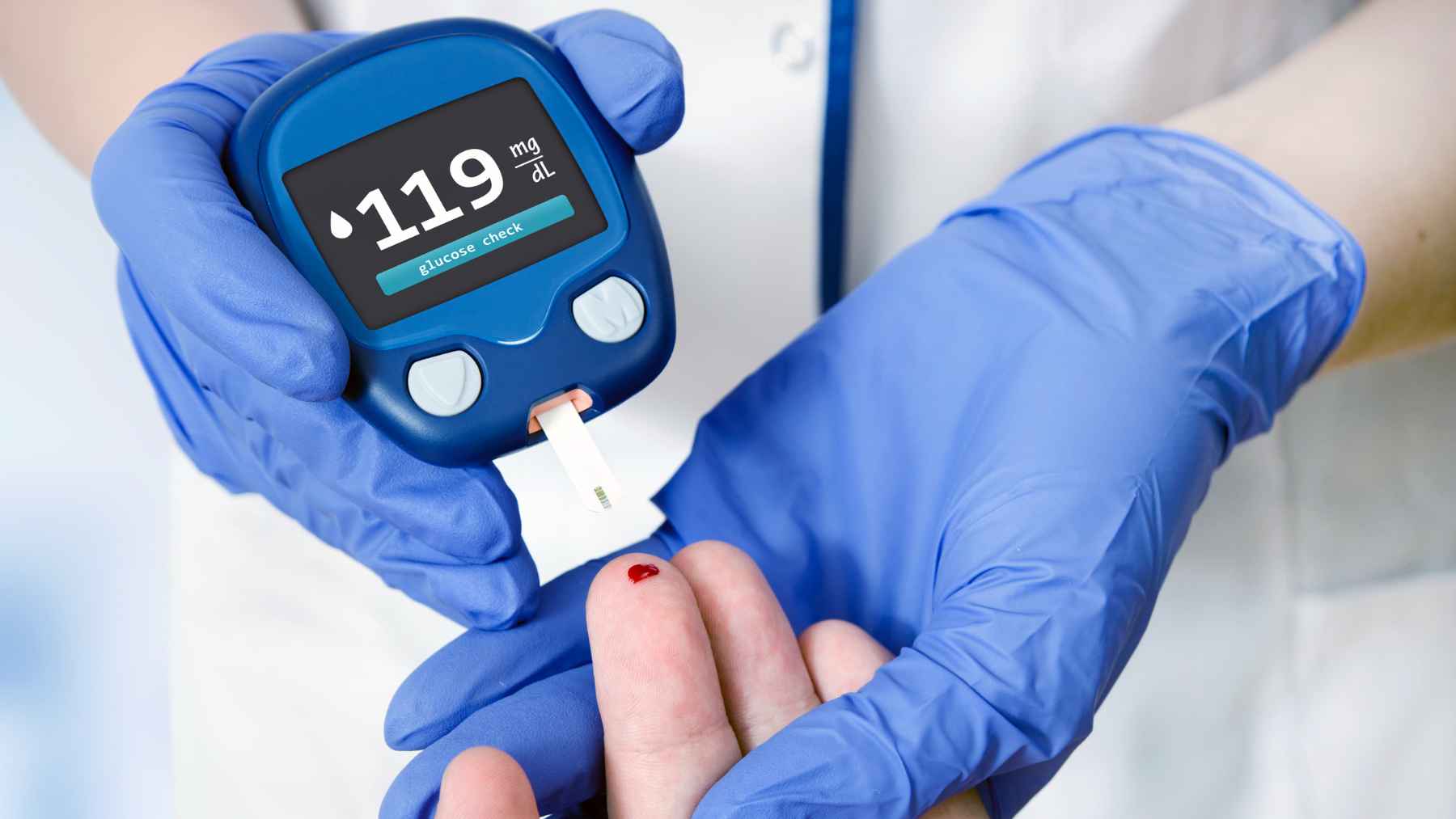
The American Diabetes Association lists three main lab results that can point to prediabetes. These include an A1C from 5.7% to 6.4%, fasting blood sugar from 100 to 125 mg. per deciliter, or a two-hour oral glucose tolerance test from 140 to 199 mg. per deciliter.
A1C is a common blood test that estimates average blood sugar over the past two to three months. The fasting test checks blood sugar after a person has not eaten overnight, while the oral glucose test shows how the body handles a sweet drink over two hours.
Who should ask for screening
So who should bring this up at a checkup? Adults with overweight or obesity should ask, especially if they carry more weight around the waist, have high blood pressure, abnormal cholesterol, fatty liver disease, a family history of type-2 diabetes, or a history of diabetes during pregnancy.
The CDC also lists being 45 or older, being physically active less than three times a week, and having polycystic ovary syndrome as risk factors.
Some racial and ethnic groups, including Hispanic or Latino American, African American, American Indian, Alaska Native, Pacific Islander, and some Asian American people, also face higher risk.
Why the heart is involved
Prediabetes is not only about future diabetes. It is also tied to heart disease and stroke, partly because it often travels with belly fat, high blood pressure, unhealthy cholesterol levels, and liver fat.
Think of it as a traffic jam inside the metabolism. Blood sugar, blood pressure, cholesterol, inflammation, sleep, stress, and weight all interact, and when several of them are moving in the wrong direction, the heart and blood vessels feel the pressure.
What changes the outcome
The encouraging part is that prediabetes can often be pushed back. The National Institute of Diabetes and Digestive and Kidney Diseases says the Diabetes Prevention Program found that intensive lifestyle changes lowered the chance of developing type-2 diabetes by 58% after about three years, while metformin lowered it by 31%.
The lifestyle target was not extreme. Participants aimed to lose about 7% of body weight and do 150 minutes of physical activity each week, often with brisk walking, which is closer to a daily habit than a dramatic fitness makeover.
Food, movement, and follow-up
Food choices do matter, but the point is not perfection. A Mediterranean-style pattern, built around vegetables, beans, whole fruit, nuts, whole grains, olive oil, and fish, is often recommended, while sugary drinks, ultra-processed snacks, refined baked goods, and foods high in saturated fat should be reduced.
Small changes can be powerful when they last. A walk after dinner, better sleep, less sitting, and stress support may not sound spectacular, but they can help the body use insulin more effectively.
A diagnosis without blame
A prediabetes diagnosis should not be treated as a personal failure. Genes, fat distribution, sleep, stress, medications, inflammation, and everyday conditions all play a role, along with food and movement.
The useful message is simple: this is a diagnosis to act on, not to fear, because early action can change what happens next.
The main prevention study cited here has been published in The New England Journal of Medicine.