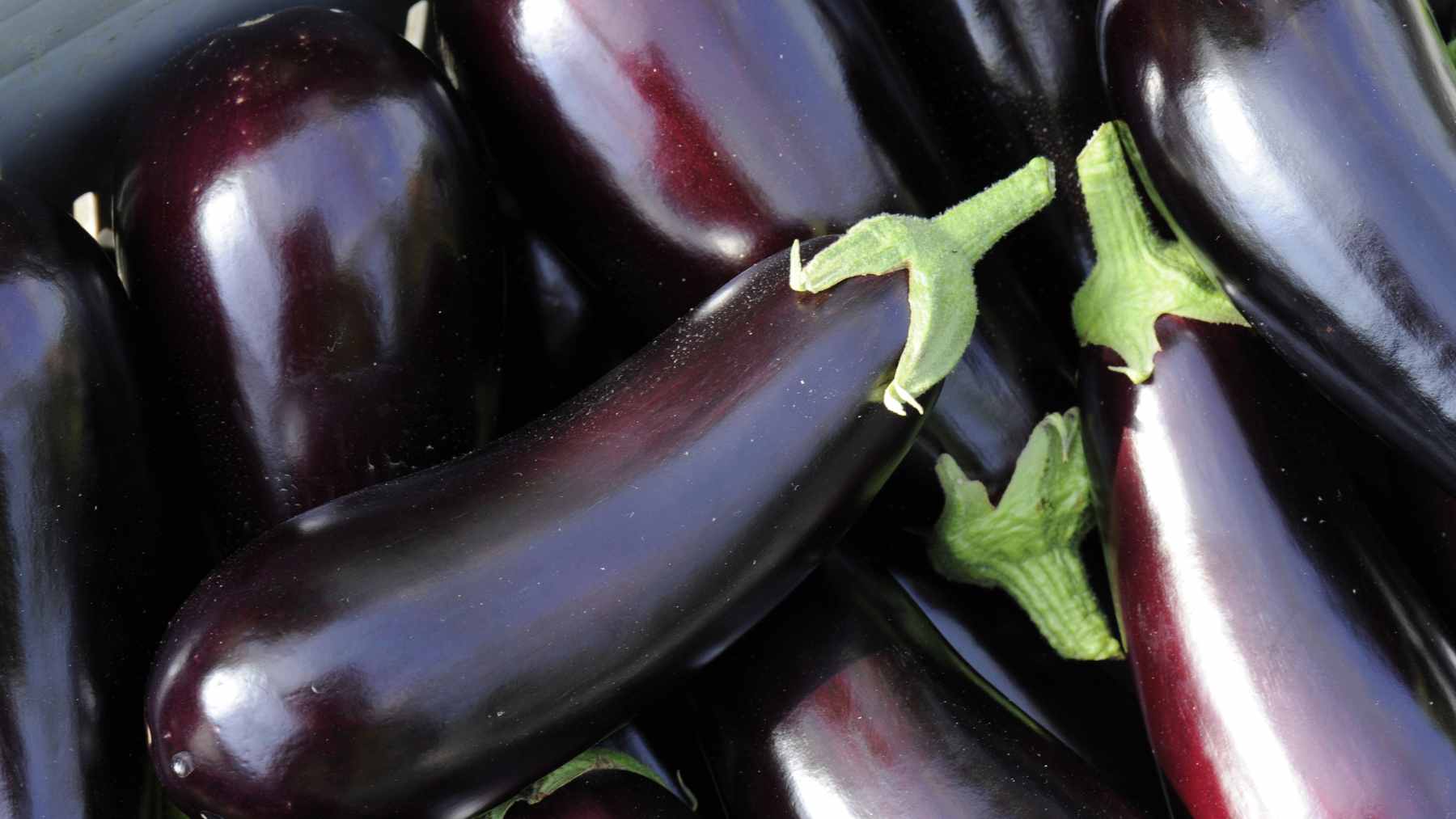
Eggplant really does contain nicotine, but the amount is so small that a normal dinner, even a generous plate of eggplant parmesan, cannot come close to the dose delivered by smoking a cigarette.
The familiar claim that 22 lbs. of eggplant equal one cigarette comes from an older, high-end laboratory estimate. Later food chemistry studies measured far less, pushing a more realistic comparison into the hundreds of pounds and showing why one neat viral number can be misleading.
The real cigarette comparison
The National Institute on Drug Abuse says the average smoker takes in about one to two milligrams of nicotine from a cigarette. An older analysis reported 100 micrograms of nicotine in 1 kilogram of eggplant, so 10 kg. would contain roughly 1 milligram.
Later measurements landed much lower, though. Food chemist Barbara Siegmund and colleagues at Graz University of Technology found that fresh nightshade fruits generally contained 2 to 7 micrograms in 1 kilogram, and they estimated average dietary nicotine intake at just 1.4 micrograms a day.
One cigarette therefore delivers about 700 to 1,400 times that estimated daily dietary amount.
A 2016 analysis led by Serban C. Moldoveanu at R.J. Reynolds Tobacco Co. reported dry-weight and water-content results for regular and baby eggplants.
Converted to fresh weight, those values work out to roughly 2 to 5 micrograms per pound, implying about 200 to nearly 1,000 lbs. for the 1 to 2 milligrams taken in from a cigarette. The study tested only two samples of each type, so this is a scale estimate, not a universal recipe.

Why vegetables contain nicotine
Nicotine is a natural stimulant and an alkaloid, a nitrogen-containing chemical made by plants. Tobacco, tomatoes, potatoes, peppers, and eggplants all belong to the nightshade family, although tobacco concentrates nicotine at vastly higher levels.
The same molecule can have very different effects depending on dose and route. Cigarette smoke delivers nicotine to the brain rapidly, while food sends tiny traces through the slower digestive system.
An official food-safety review estimated that only about one-fifth of swallowed nicotine reaches the bloodstream unchanged, compared with roughly nine-tenths of nicotine from smoke. That widens the gap further. A normal serving of baba ghanoush is not going to produce a nicotine buzz.
Other foods with trace nicotine
Eggplant is not alone. A review by Food Standards Australia New Zealand found nicotine in potatoes, ripe tomatoes, green peppers, and cauliflower, usually at only a few micrograms per pound.
Cauliflower sometimes reached about 8 micrograms per pound, while some unripe tomatoes were higher, at close to 19 micrograms per pound.
Ripeness and processing can shift the numbers. Green tomatoes generally contain more nicotine than ripe ones, and traces can remain in products such as tomato paste, sauce, and french fries.
Measurement is difficult at these levels, and contamination or different laboratory methods can produce sharply different results.
That uncertainty is important. Detecting a substance does not mean a food delivers a meaningful dose, just as finding a grain of salt on a kitchen counter does not make it a salt mine.
Can vegetables help people quit?
Could eggplant or tomatoes quiet a sudden cigarette craving? The studies discussed here do not show that trace food nicotine works as nicotine replacement or controls withdrawal.
A longitudinal study of 1,000 adult smokers found that those eating the most fruits and vegetables were three times more likely to report at least 30 days without tobacco when researchers followed up 14 months later.
Jeffrey P. Haibach of the University at Buffalo cautioned, “Granted, this is just an observational study, but improving one’s diet may facilitate quitting.” The research showed an association, not proof that vegetables caused people to stop smoking.
Fruits and vegetables may still help in ordinary ways. A crunchy snack can keep the mouth and hands busy during a coffee break or after dinner, and fiber can help with fullness.
For nicotine cravings, the evidence-based options are counseling and FDA-approved or cleared products such as patches, gum, lozenges, and prescription medicines.
What the numbers really mean
Modern instruments can detect chemicals in extremely small concentrations. That is useful science, but it can make a tiny trace sound dramatic when the dose and delivery route are left out.
At the end of the day, nicotine in eggplant is a chemistry curiosity, not a tobacco-like exposure. The 22-lb. comparison reflects an older upper estimate, while later studies point to hundreds of pounds, and digestion makes the real biological difference even larger.
Eggplant, tomatoes, potatoes, peppers, and cauliflower do not need to come off the menu because of these trace amounts.
The main food chemistry study was published in the Journal of Agricultural and Food Chemistry.