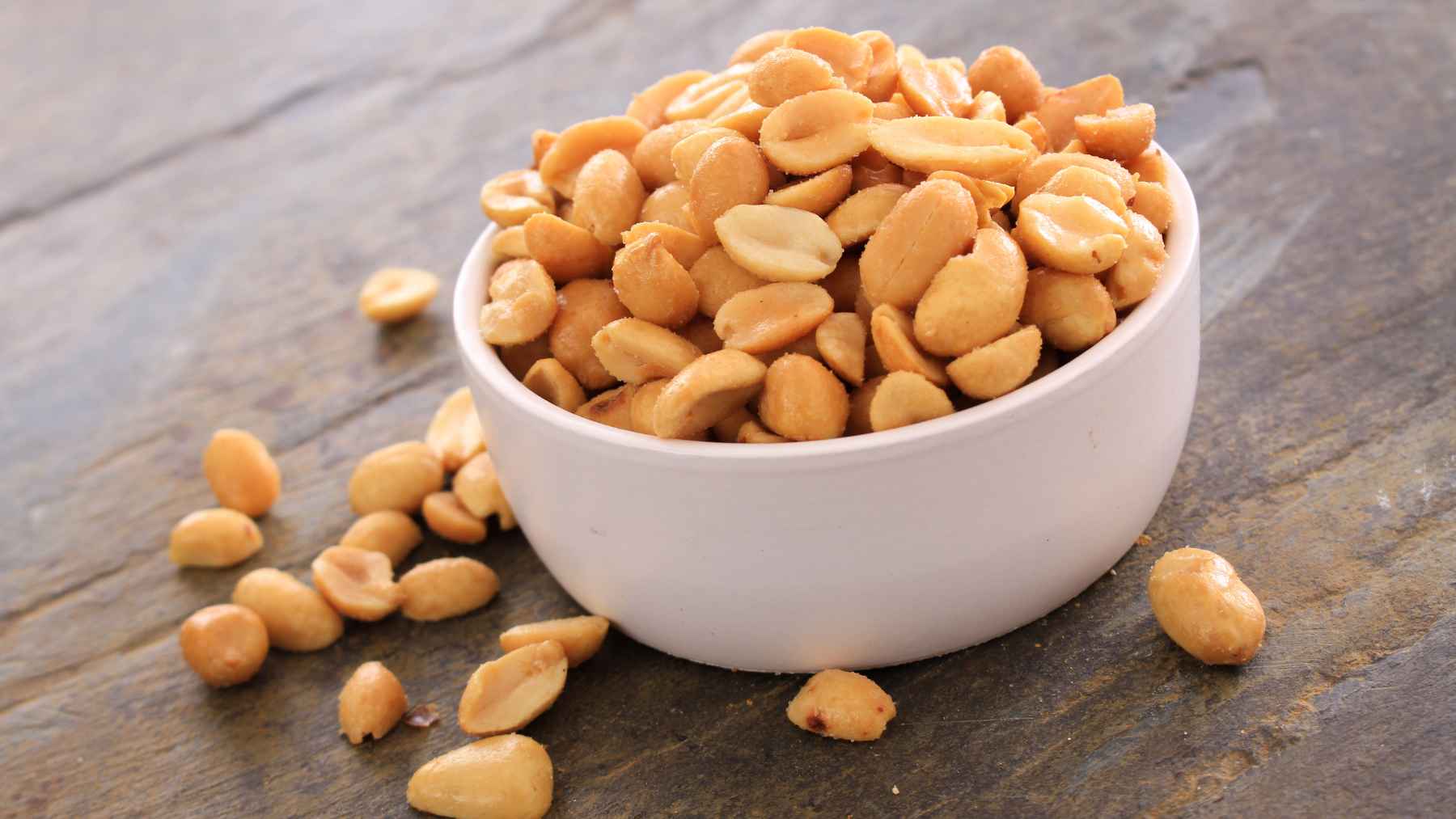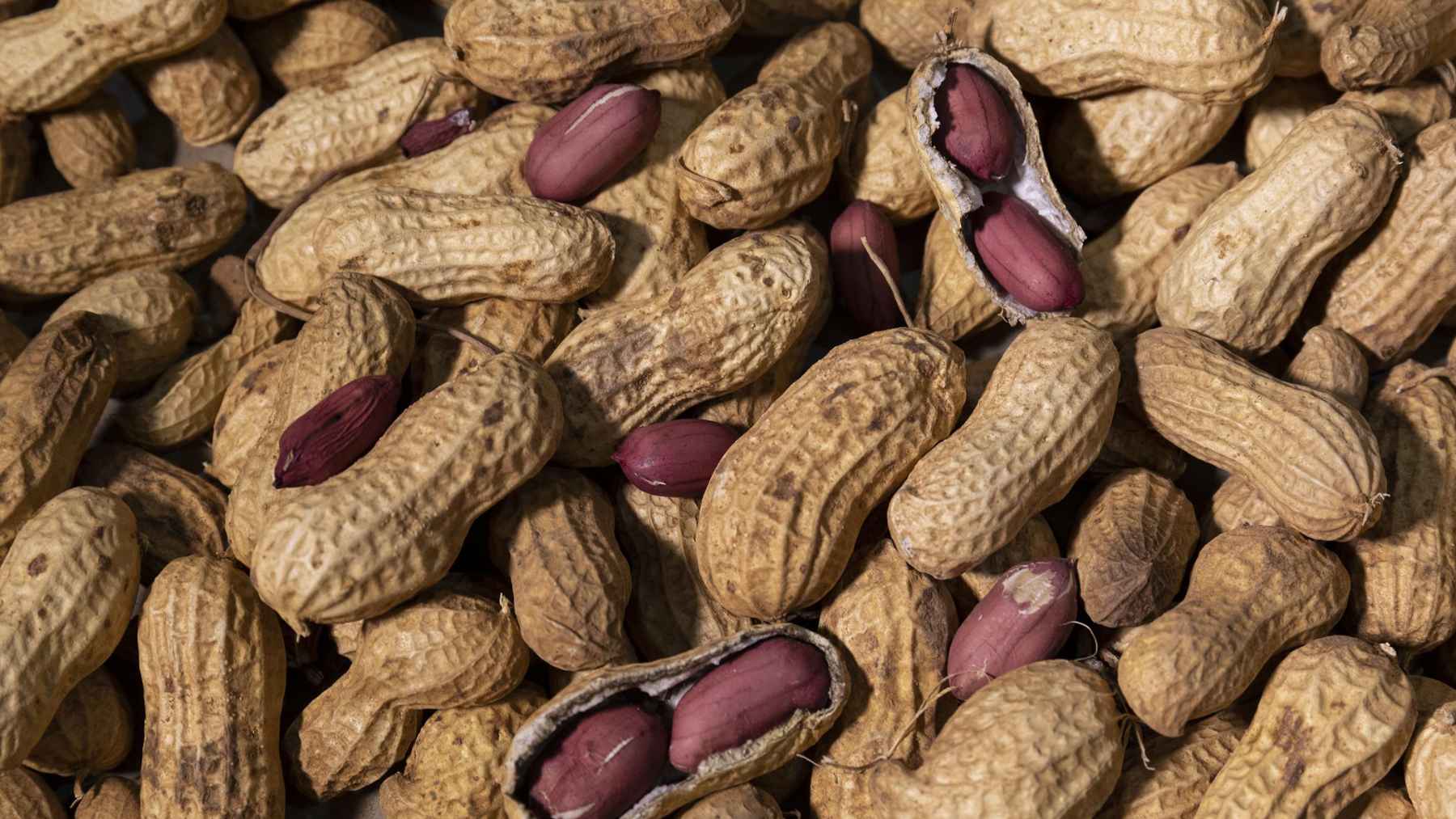
Peanuts may look like ordinary snack nuts, yet they belong to the legume family alongside beans, lentils, and peas. They also contain far more protein by weight than many people expect, with about 25 to 30 g in 3.5 oz. of raw peanuts compared with roughly 12 g in the same weight of whole egg.
That comparison is real, but it needs context. A small handful of peanuts supplies around 7 to 9 g of protein, while one medium egg provides about 7 g, so peanuts can help support a muscle-focused diet without becoming a magic shortcut.
Why peanuts beat eggs by weight
The numbers favor peanuts when both foods are measured at the same weight. Their concentrated mix of protein and fat means a relatively small amount contains substantial nutrition, while eggs carry more water and therefore provide less protein in a weight-for-weight comparison.
A normal serving tells a more useful story. Few people eat 3.5 oz. of peanuts at once, and doing so would add a large amount of energy to the day. One small handful is closer to a practical snack, which puts its protein contribution in roughly the same range as one egg.
There is another difference. Egg protein is highly digestible and contains all the essential amino acids the body cannot make on its own, while peanuts work best as one part of a varied diet rather than as the only protein source.
What peanuts can do for muscles
Protein provides amino acids, the building blocks used to maintain and repair muscle tissue. The National Institutes of Health Office of Dietary Supplements notes that protein is necessary for building, maintaining, and repairing muscle, especially after exercise increases normal protein breakdown.
That does not mean eating peanuts alone will create bigger muscles. Strength training, enough total protein, adequate calories, sleep, and consistency matter more than any single snack. At the end of the day, peanuts simply make it easier to add plant protein between meals.
For a more substantial recovery snack, they can be paired with yogurt, milk, soy foods, or whole-grain bread. Think of peanuts as one useful piece of the puzzle, not the entire picture.
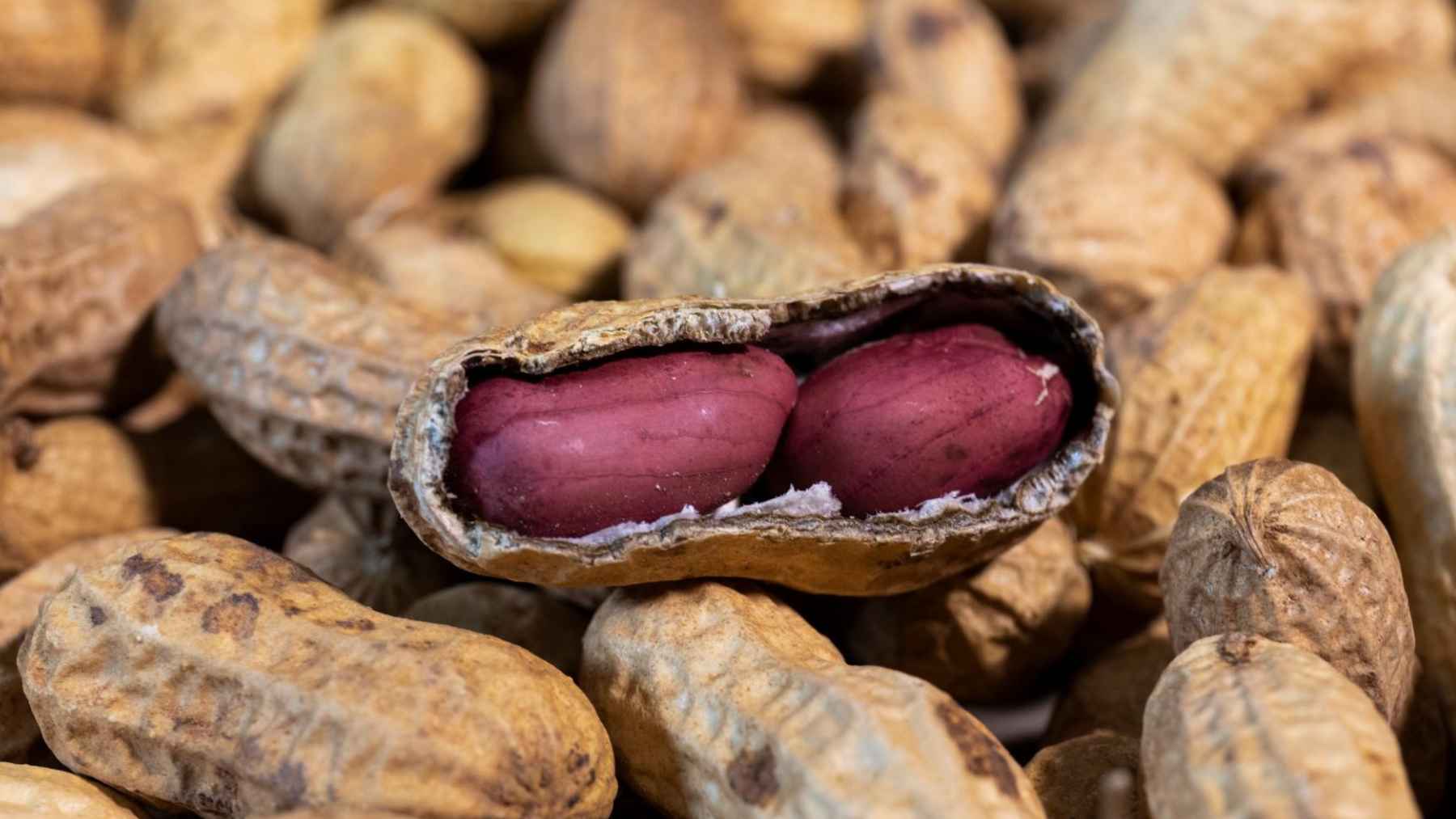
Peanuts are a plant-based source of protein, healthy fats, and other nutrients that can support a balanced diet.
Healthy fats come with calories
Peanuts also provide mostly unsaturated fats, along with vitamins and minerals involved in normal nerve, heart, and muscle function. That nutrient package is one reason they can be more satisfying than a low-protein snack such as crackers or candy.
Research has also linked regular nut consumption with better cardiovascular outcomes. A 2017 analysis led by Marta Guasch-Ferré at the Harvard T.H. Chan School of Public Health found that eating peanuts or tree nuts at least twice a week was associated with a 13% to 19% lower risk of total cardiovascular disease, although an observational study cannot prove that peanuts caused the difference.
However, there is a catch. Peanuts are calorie-dense, so an open bag can disappear faster than expected while the calories quietly add up. For people trying to lose weight, a portion of about 1 ounce, or a small handful, is a practical starting point rather than eating straight from a large container.
The simplest ways to eat them
Plain roasted peanuts without added salt, sugar, or heavy flavor coatings are usually the most straightforward choice. They can add crunch to salads, oatmeal, yogurt, and fruit bowls, or become a convenient snack before or after a workout.
Peanut butter can work too, but the ingredient list matters. Products made only with peanuts avoid added sugar, excess sodium, and hydrogenated fats, while one or two measured tablespoons make portion size easier to see.
Smoothies are another option, especially for people trying to gain weight or muscle, but blending peanut butter with milk, fruit, and other ingredients can turn a drink into a high-calorie meal surprisingly quickly, so the serving should match the person’s goal.
Allergy and choking risks matter
Peanuts are one of the major food allergens recognized in the United States. Reactions can range from hives, swelling, and vomiting to breathing difficulty and life-threatening anaphylaxis, so anyone with a diagnosed peanut allergy must avoid them and follow medical advice.
The key issue for young children is texture. Whole or chopped peanuts can block a child’s airway, and thick spoonfuls of peanut butter are also unsafe for babies and toddlers. The Centers for Disease Control and Prevention recommends age-appropriate forms and extra medical guidance when an infant has severe eczema or an egg allergy.
Peanuts are nutritious, affordable, and easy to use. They can contribute meaningful protein and may support muscle recovery, but the best results come from sensible portions, a varied diet, and regular resistance exercise.
The official nutrition data used for this comparison have been published in USDA FoodData Central.