Protein has become a product category all by itself. Powders, bars, shakes, and imported snacks promise stronger muscles and better meals, but the most useful protein upgrade may already be sitting beside the rice, flour, and snack jars.
That is the quiet surprise in a basic kitchen list that points to guava, green peas, black gram, chickpea flour, pumpkin seeds, and peanuts. None of them is magic, and none replaces a balanced diet, but together they show that plant-based protein does not have to feel like a luxury purchase.
The real protein question
What makes a protein source useful? The Harvard T.H. Chan School of Public Health explains that the average person needs about 7 grams of protein for every 20 lbs. of body weight, and that the whole “protein package” matters as much as the number on the label.
In practical terms, that’s fiber, healthy fats, minerals, and how the food fits into real meals. The American Heart Association also recommends shifting some protein choices toward beans, peas, lentils, and nuts, especially when they replace fattier meats.
Why “superfood” needs context
The word “superfood” sounds exciting, but it is not an official medical category. The American Diabetes Association notes that the term is mostly used in marketing, while still pointing out that foods rich in protein, fiber, healthy fats, vitamins, minerals, and antioxidants can support a healthy meal plan.
That nuance matters. A handful of peanuts or a bowl of peas will not fix a poor diet overnight, but it can make a normal plate more filling and more nutritious. Small choices add up.
Guava brings fruit protein
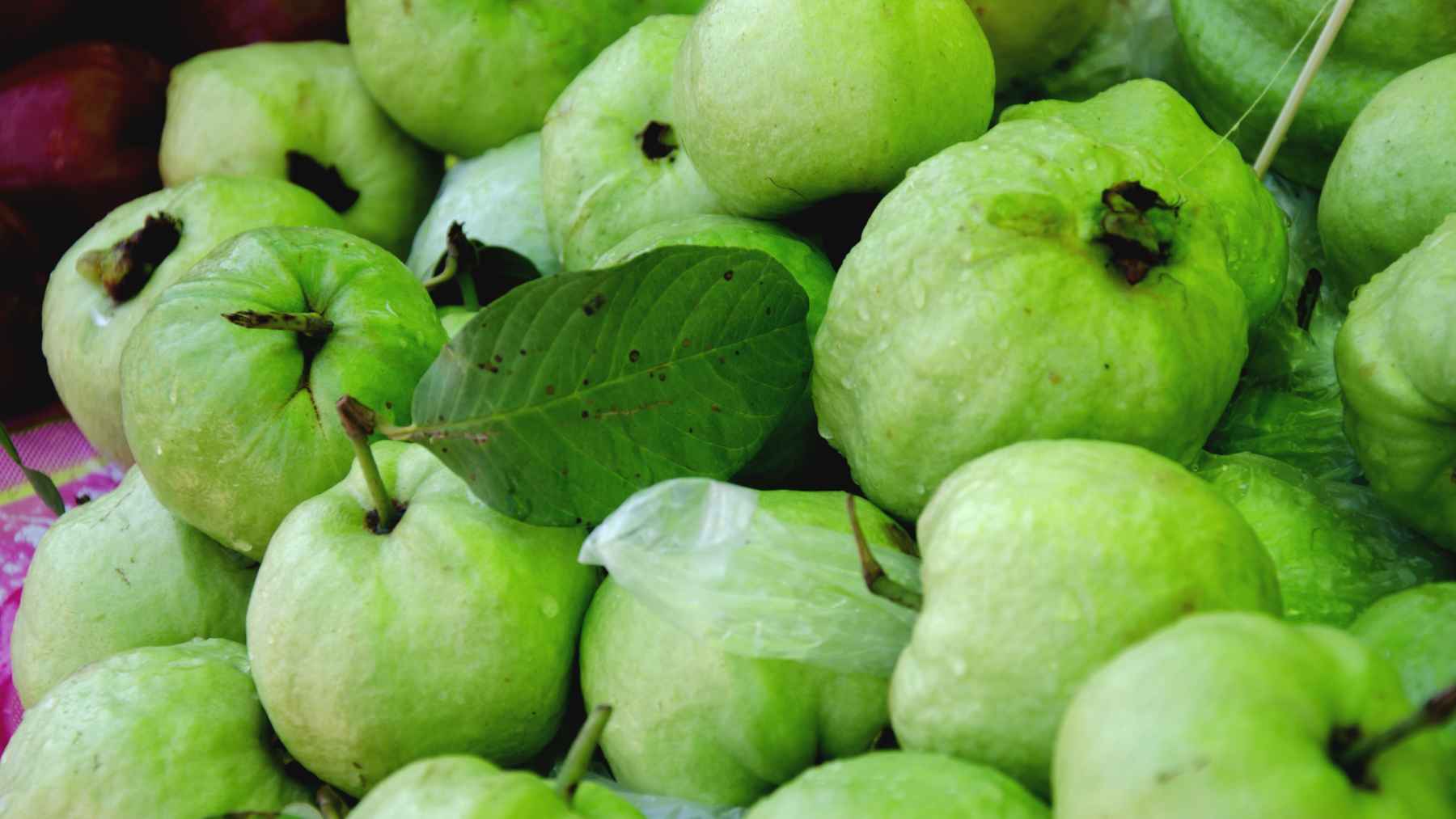
Guava is not usually the first food people think of when they hear protein. Still, among fruits, it earns attention because one cup of raw guava has about 4 grams of protein, 9 grams of fiber, and a very high amount of vitamin C in food-composition data.
That makes guava more than a sweet snack. For someone reaching for cookies with tea, a sliced guava can bring crunch, sweetness, and fullness without turning snack time into a science project. Fruit is food, not medicine.
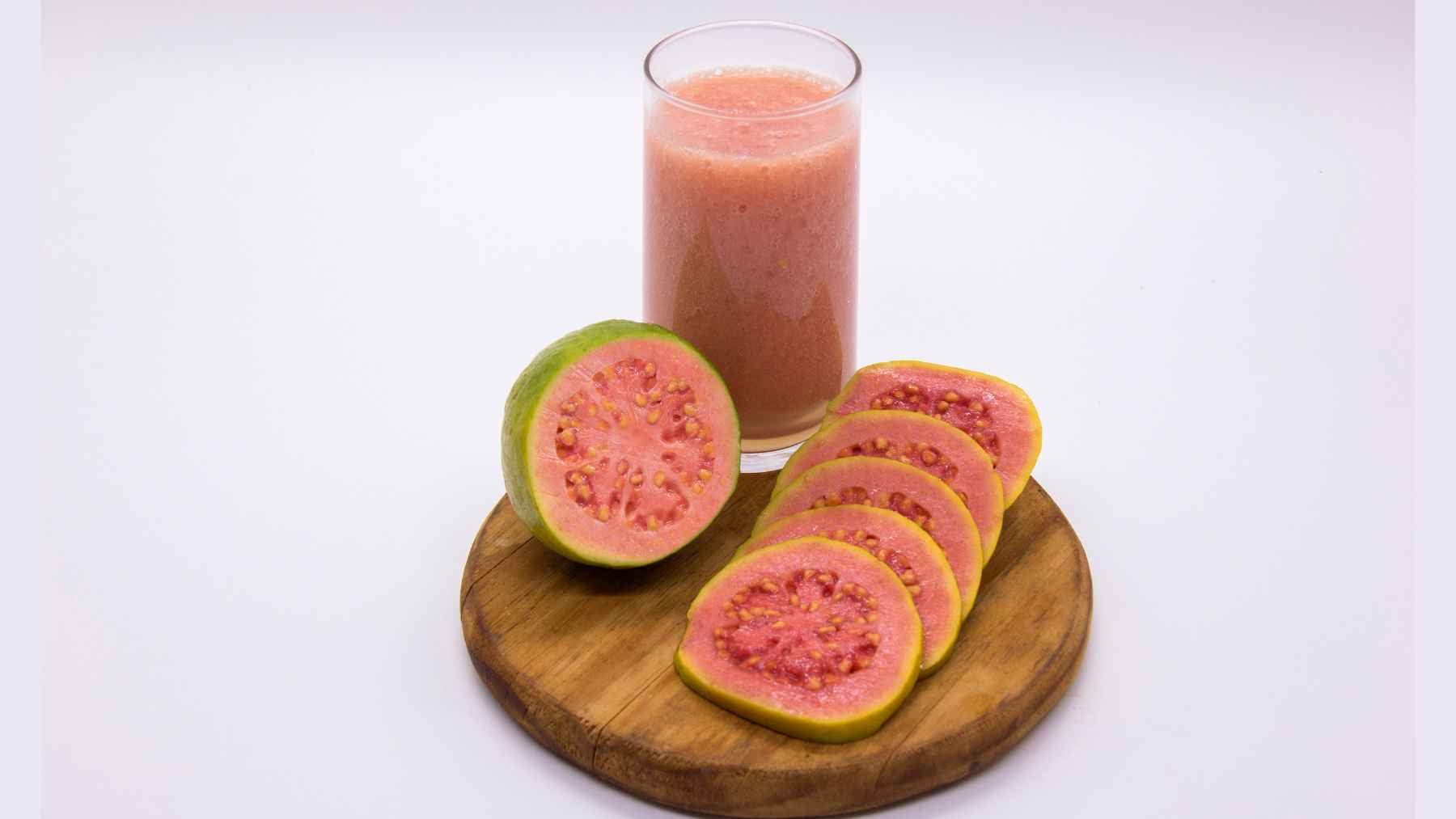
Fresh guava is a fiber-rich fruit that also provides more protein than most fruits, making it a nutritious addition to a balanced diet.
Green peas are not decoration
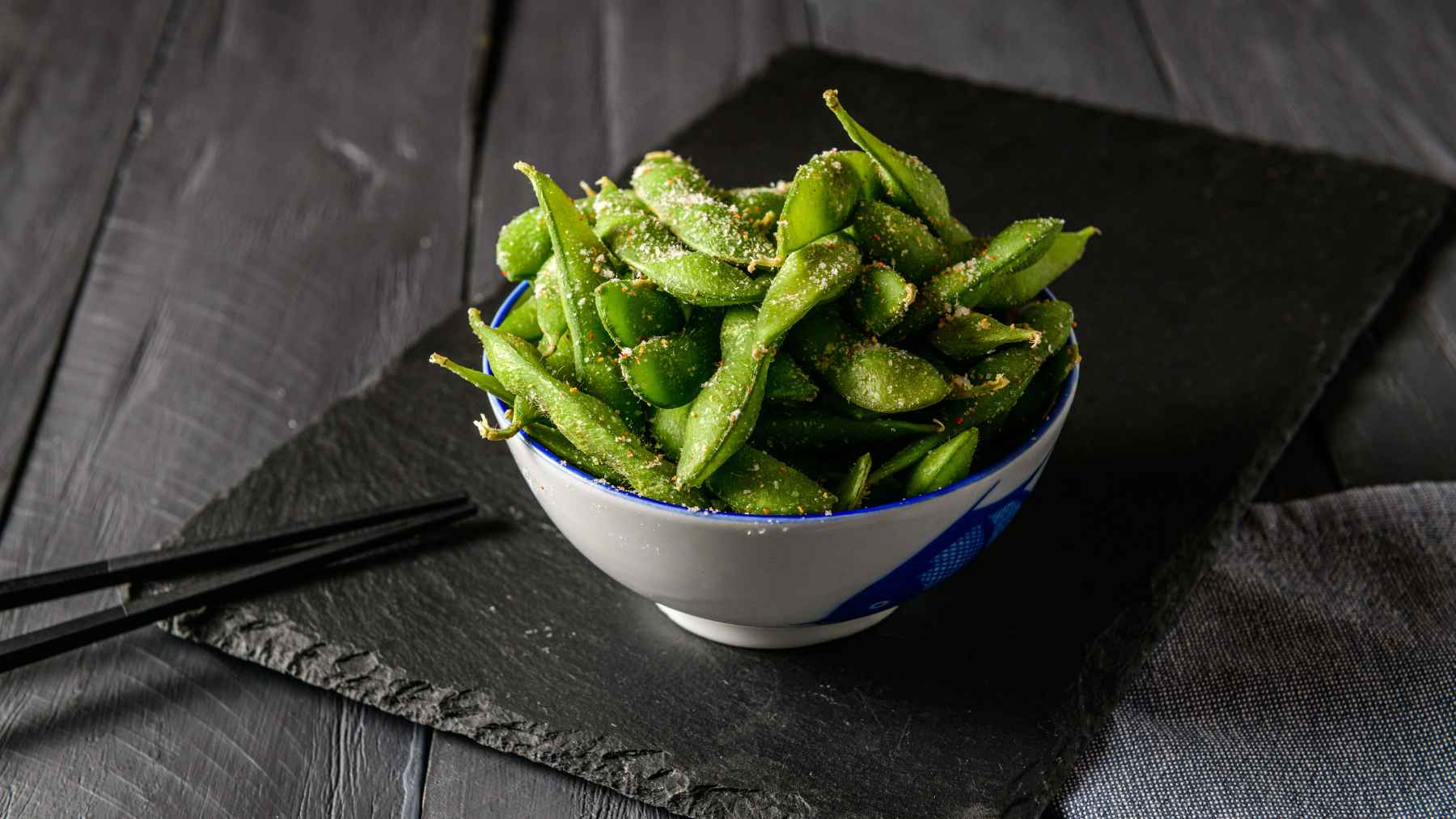
Green peas are often treated like a side note on the plate. Yet one cup of raw green peas has about 8 grams of protein and 8.3 grams of fiber, while staying modest at 117 calories.
That combination is why peas can help a meal feel more complete. Add them to rice, soup, eggs, pasta, or a vegetable stir-fry, and suddenly the green bits are doing real work. Cheap, familiar, and easy to cook.
Black gram carries tradition
Black gram, known in many Indian kitchens as urad dal, is the pulse behind soft idli batter, crisp dosa edges, and rich dal dishes. A review led by Baskar Venkidasamy described black gram as a protein-rich pulse with meaningful amounts of calcium, phosphorus, and iron.
The catch is simple. Dry pulses look extremely dense on paper, but once cooked, they absorb water, so the protein per spoonful is lower. That does not make them weaker, it just means dal works best as a regular part of meals rather than a one-bowl miracle.
Chickpea flour earns its shelf space
Chickpea flour, often called besan, is one of the most practical protein boosters in the pantry. One cup has about 21 grams of protein and 10 grams of fiber, according to food-composition data.
It can thicken sauces, bind vegetable fritters, or turn into savory pancakes without needing expensive ingredients. One 2013 study found that adding chickpea flour to wheat bread lowered the blood sugar response compared with regular wheat bread, which helps explain why this flour gets attention beyond protein alone.
Seeds and peanuts do heavy lifting
Pumpkin seeds, also called pepitas, are small but dense. One ounce has about 8.5 grams of protein, plus magnesium, zinc, iron, and phosphorus, which is why a spoonful over oats, yogurt, salad, or soup can change the nutrition of a meal quickly.
Peanuts deserve the same practical respect. One ounce of raw peanuts has 7.3 grams of protein and 2.4 grams of fiber, though portions still matter because peanuts are calorie-dense. Choose unsalted versions when possible, so the snack does not bring extra sodium.
The everyday protein lesson
At the end of the day, the lesson is not that everyone needs to chase more protein at any cost. It is that common foods can fill the gap for the most part, especially when meals include a mix of pulses, vegetables, seeds, nuts, grains, and fruit.
There is also no need to make the plate perfect. Add peas to dinner, swap some wheat flour for chickpea flour, sprinkle pumpkin seeds on breakfast, or keep a small bowl of peanuts away from the salty snack aisle. That is how kitchen food becomes useful.
The main official nutrition data cited here has been published by the U.S. Department of Agriculture’s FoodData Central.