Protein is having a moment, and many people are trying to get more of it without eating the same meals on repeat. In a report published April 23, 2026, Margaux Anbouba laid out nine foods said to deliver more protein than a small steak, and the credits also include Claudia Totir.
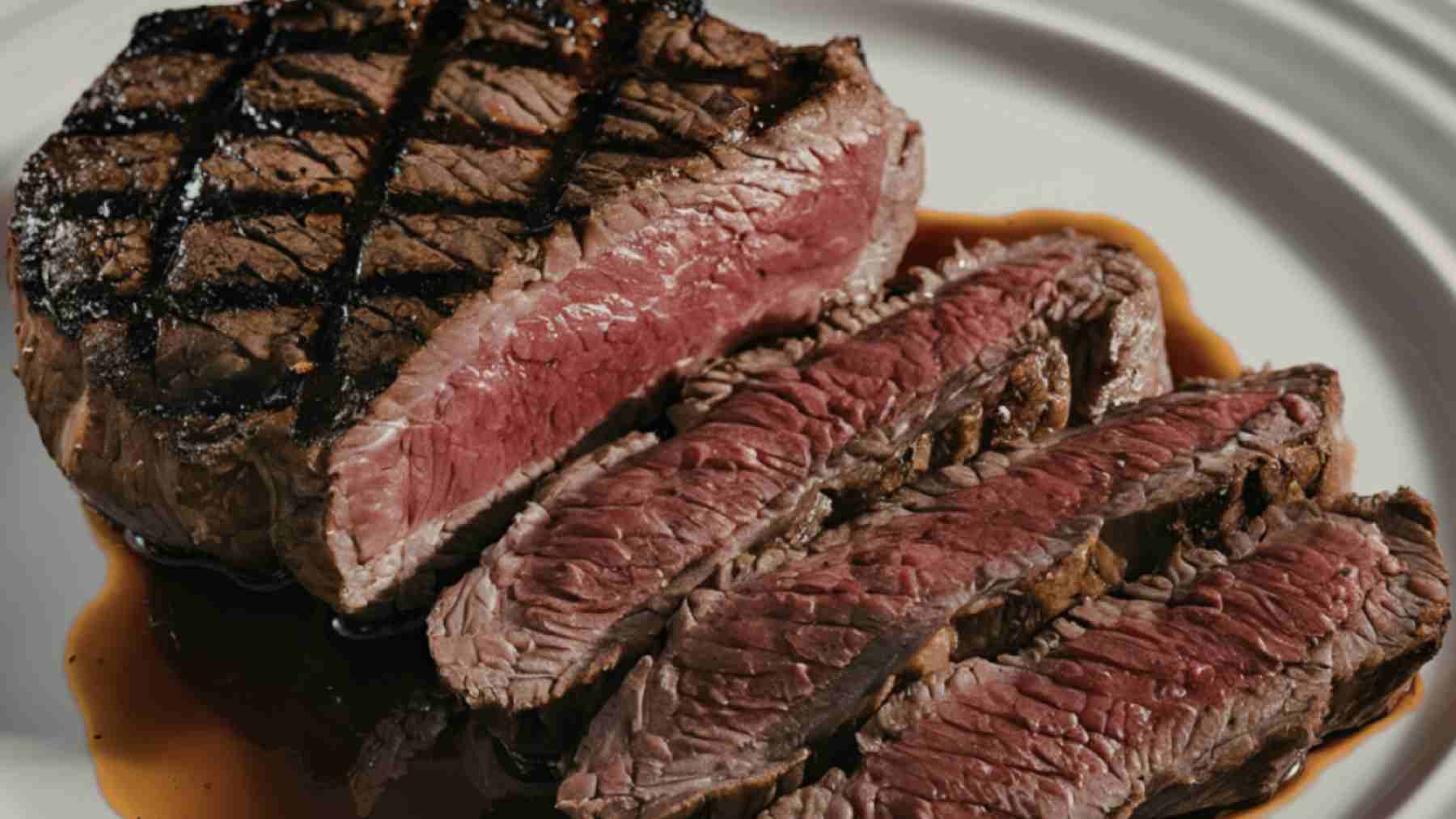
The piece quotes Brooklyn dietitian Maya Feller saying many nutritionists aim for about 30 grams of protein per meal, while a 3-ounce serving of beef typically lands around 22 to 25 grams.
The headline sounds simple, but real life rarely is. Do you really need steak to hit your protein target? Not always, but “more protein” can depend on serving size, how much water a food contains, and what else comes along for the ride.
What counts as a high-protein meal
Steak stays a popular benchmark because its portion is easy to picture, and its protein is steady. The report’s bigger message is that you can reach the same target with many different foods, especially if you mix and match.
For comparisons, it helps to start with a consistent reference and then check the package for the product you are buying. FoodData Central, run by the U.S. Department of Agriculture, is one widely used source, and it shows how much nutrition can shift with processing and preparation.
Dried and smoked fish can beat steak easily
Two of the biggest numbers on the list come from dried rainbow trout at about 77.3 grams of protein per 3.5 ounces and smoked salmon at about 60.6 grams per 3.5 ounces, foods that can look like a snack or a bagel topping. Drying and heavy smoking pull out moisture, so protein becomes more concentrated, the way fruit turns sweeter when it becomes a raisin.
Federal nutrition researchers have documented this effect in salmon, noting that some smoked products end up much higher in protein than raw fish because of moisture loss during processing. It is a useful reminder that “protein per ounce” can jump when a food is closer to jerky than a fresh fillet.
Seaweed and yogurt are quiet protein helpers
Dried seaweed sounds like an odd place to look for protein, but the list highlights nori and similar seaweeds in a range of about 25 to 40 grams per 3.5 ounces. Most people will not eat 3.5 ounces of seaweed at once, so think of it as a booster, not the main event.
Seaweed also stands out for minerals, especially iodine, which supports thyroid function. A federal iodine database flags dried nori as a notable source, which is why experts often suggest moderation if you snack on seaweed daily.
Yogurt is the more everyday-friendly option, especially Greek-style products that have been strained to remove liquid and concentrate nutrients. In the report, certified clinical dietitian Heather A. Hodson at NYU Langone Health says Greek yogurt “often” has much more protein and fewer carbs than regular yogurt, which helps explain why some high-protein versions can reach 25 to 40 grams per container depending on the brand.
Pork, chicken, and tuna keep things familiar
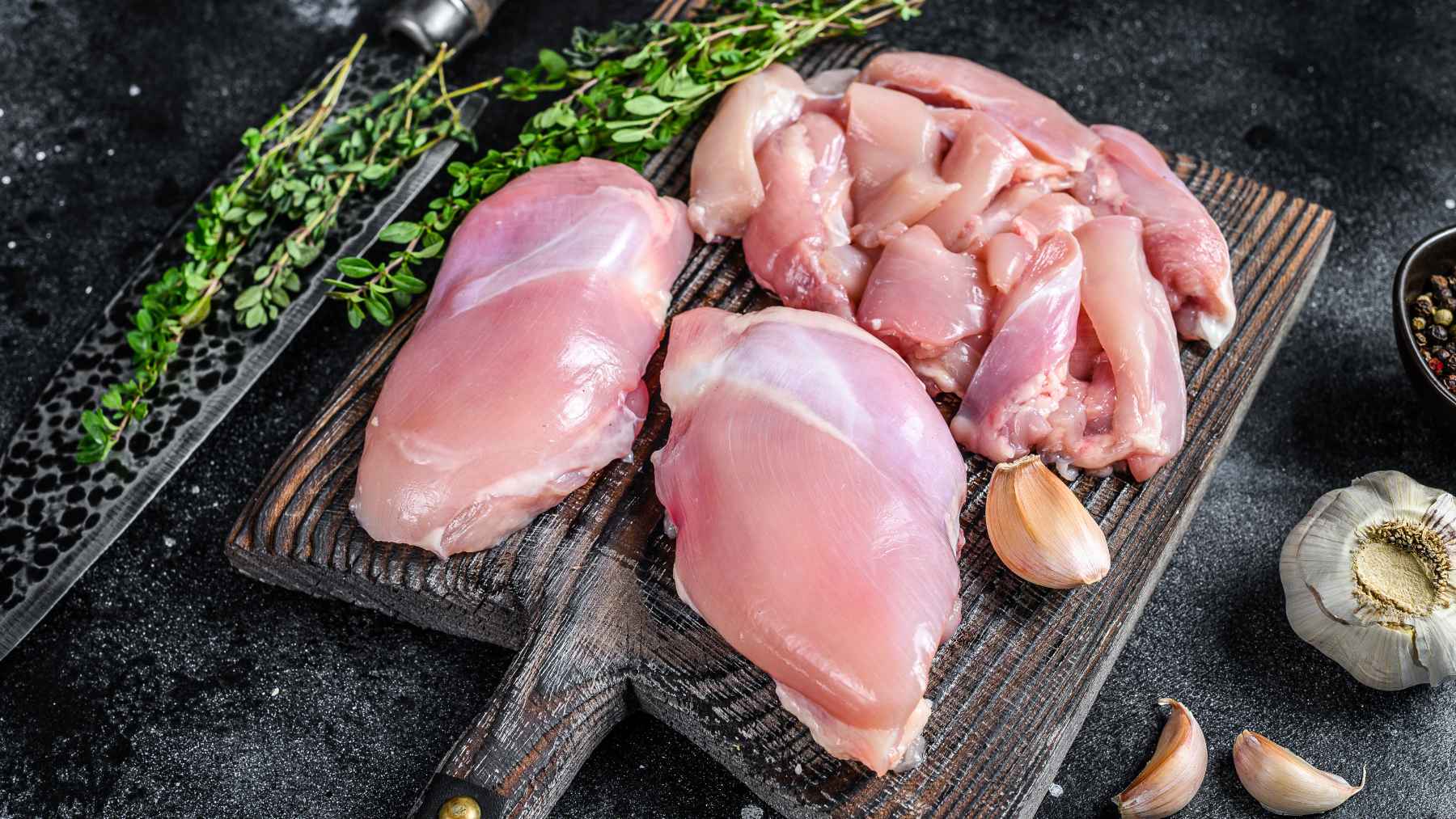
Not every swap has to be trendy. Lean pork is listed at about 21 grams of protein per 3.5 ounces, and chicken is listed at about 23.9 grams per 3.5 ounces, so weeknight meals like tacos or stir-fry can land close to steak without much effort.
Canned tuna is a reminder that “a portion” is not universal. The list ranges from about 22 to 50 grams of protein per serving, and the true number depends on can size, draining, and brand definitions, so the label is the tie-breaker. It also notes that oil-packed tuna can test higher in protein than water-packed versions.
Tuna is also where safety guidance belongs in the conversation, especially for kids and for people who are pregnant or breastfeeding. The U.S. Food and Drug Administration, working with the Environmental Protection Agency, recommends choosing fish lower in mercury and varying the types you eat across the week.
Peanuts and cheddar are small but mighty
The report also points to foods many people already have in the kitchen, including dry-roasted, unsalted peanuts at about 23.2 grams of protein per 3.5 ounces and cheddar at about 23.3 grams of protein per 3.5 ounces. That can make a difference in a lunch box, a post-practice snack, or a quick sandwich.
But these options are more calorie-dense than lean meat or fish, because they come with more fat. If your goal is fullness, that can help, but portion size matters if you are watching your overall intake.
Soy and tofu help plant-based eaters catch up
For people eating vegan or mostly plant-based, soy is the “bonus” pick on the list, with tofu as the most common example. The WIC Works resource system says tofu is a complete protein, meaning it provides all the essential amino acids your body needs from food.
That does not mean every meal has to revolve around tofu. Over the course of a day, rotating legumes, nuts, seeds, and whole grains can cover protein needs while also adding the fiber that meat does not provide.
How to use these swaps without overthinking it
If you are trying to reach that 30-gram target, start with one protein you actually like and will keep buying. Then add one supporting item, like yogurt at breakfast or peanuts as a snack, and the totals climb faster than you might expect.
The other habit is to watch for “protein illusions.” Dried fish can look unbeatable per ounce, but it is usually salty and meant to be eaten in smaller amounts, more like jerky than a full dinner entree.
In the end, the list works best as a menu of options, not a scoreboard. The main report has been published in Vogue France.