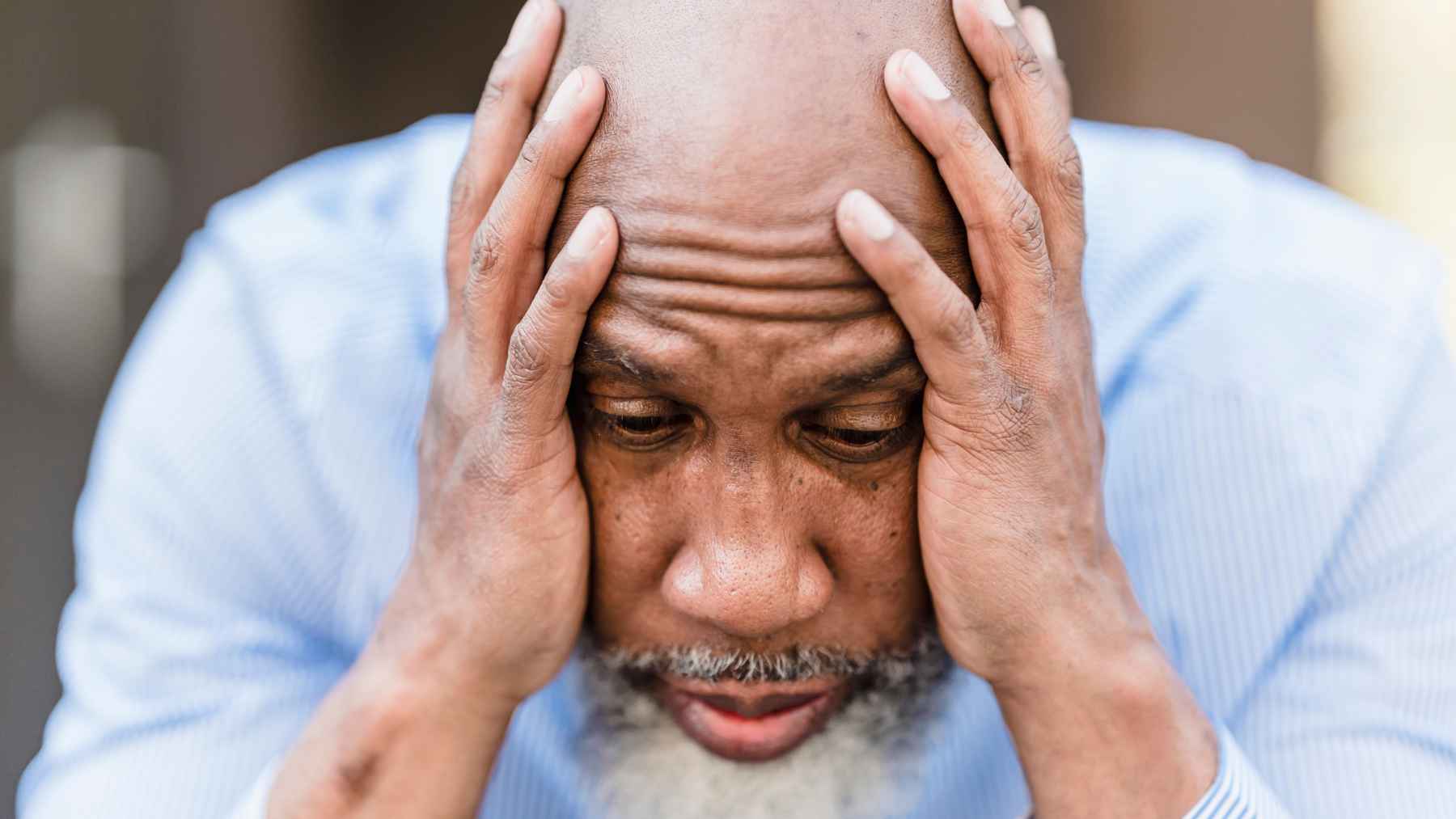
Have you ever been called “the responsible one” and still felt keyed up inside? In a recent social media video, Spanish psychologist Ángela Fernández says anxiety can hide behind three personality tendencies including high self-demanding, “too much kindness,” and high emotional sensitivity. She also stresses that it is not true in every case, and that “knowing ourselves is key” so we can regulate emotions “without getting frustrated or pushing ourselves too hard”.
Anxiety is also extremely common, especially among younger people who are juggling school, friendships, and family stress. The National Institute of Mental Health estimates that about 19.1 percent of US adults had an anxiety disorder in the past year, and about 31.9 percent of US adolescents have experienced one at some point.
When anxiety wears a friendly mask
Anxiety is not just the obvious stuff like panic, racing thoughts, or not sleeping. It can also look like constant over-preparing, always being “on,” or feeling responsible for everyone else’s mood.
A US government mental health guide notes that anxiety disorders go beyond normal worry, and they can start to interfere with everyday life over time. In practical terms, that can mean grades, part-time jobs, and relationships take a hit even when everything looks “fine” from the outside.
The weight of high self-demanding
The first trait she highlights is intense self-demanding, the kind that turns responsibility into pressure. It often shows up as perfectionism, with a strong need to do things “right” and a fear of falling short.
In real life, that can look like rereading the same assignment five times, double-checking every message before you send it, or feeling like one mistake ruins the whole day. It is not laziness or drama, it is the brain trying to stay in control.
Her suggested fix is not lowering your standards to zero. It is practicing flexibility, making room for mistakes, and letting “good enough” count sometimes.
When kindness turns into pressure
The second pattern is being overly kind, the kind of kindness that comes with guilt when you say no. These are the people who agree to one more favor, one more group project task, or one more late-night call, even when they are already wiped out.
Cleveland Clinic describes a people-pleaser as someone who goes out of their way to make others happy at the expense of their own well-being. Clinical psychologist Adam Borland warns that they can “give and give and give to the point of their own detriment,” which can slowly build stress and resentment.
The video’s takeaway is that limits are not selfish, they are protective. The goal is to stay kind without letting kindness become a nonstop obligation.
High emotional sensitivity
The third trait she names is neuroticism, a psychology term that roughly means a stronger tendency toward negative emotions and stress reactions. Britannica notes that people high on this dimension are more prone to emotions like anxiety, anger, guilt, and feeling generally uncomfortable in many situations.
This is where everyday bumps can feel huge. A small argument, a weird look from a teacher, or a short reply in a group chat can keep your nervous system buzzing for hours.
Instead of treating sensitivity as a flaw, the idea is to build in more recovery. Simple routines that calm the body can make emotional swings less intense for many people.
What research says about the traits
Researchers have been studying how perfectionism connects to anxiety for decades, and the overall picture is fairly consistent. A 2024 review and meta-analysis, meaning researchers combined results from many studies, pooled data from 416 studies covering more than 113,000 participants. It found that the “worry” side of perfectionism had a moderate link with anxiety symptoms in many groups.
Neuroticism also shows up repeatedly in the scientific literature as a vulnerability factor for mental health problems that include anxiety. A chapter from Cambridge University Press on personality traits and mental disorders highlights that, on average, higher neuroticism is tied to higher risk over time, even though it does not decide anyone’s future by itself.
The gray area matters here. Personality traits are not diagnoses, and they do not explain every case, but they can shape how stress builds up and how long it sticks around.
Flexibility, boundaries, and calmer routines
For many people, the practical goal is to keep strengths without letting them take over. That can mean turning “I must do everything perfectly” into “I will do my best, then move on,” or turning “I have to help” into “I can help when I have the capacity.”
Boundary-setting is a skill, not a personality flaw, and it usually starts with noticing what drains you. In one guide about healthy limits, Salerno put it plainly and wrote, “Boundaries start with self-awareness,” because you have to know what you need before you can ask for it.
When anxiety is persistent or disruptive, evidence-based therapy can help build these skills in a structured way. In a 2024 press release, researchers at the National Institutes of Health reported that cognitive behavioral therapy, a structured talk therapy that helps people change unhelpful thoughts and behaviors, improved symptoms in children with anxiety disorders. Senior author Melissa Brotman said, “We know that CBT is effective”.
A reminder about diagnosis
It is tempting to read a list of traits and instantly label yourself or someone else. But anxiety disorders are medical conditions, and a short video is not a test.
If anxiety is getting in the way of sleep, school, relationships, or just feeling okay day to day, that is a good reason to talk with a qualified mental health professional. The main video discussed in this article has been published on TikTok.
The main study was published in Cognitive Behaviour Therapy on Taylor & Francis Online.