Flaxseed may look like a tiny pantry afterthought, but it carries a surprising nutrition load. The easiest way to use it is simple: grind it, then stir one or two spoonfuls into foods you already eat, from oatmeal and yogurt to smoothies, muffins, meatballs, and burger patties.
That small habit matters because whole flaxseeds can pass through the gut with many nutrients still locked inside. Ground flaxseed is easier to digest, and most nutrition experts recommend it over whole seeds for that reason.
What flaxseed actually is
Flaxseeds are the edible seeds of the flax plant, a crop long grown for both food and fiber. Today many shoppers know it better as a seed found in baking aisles and bulk bins.
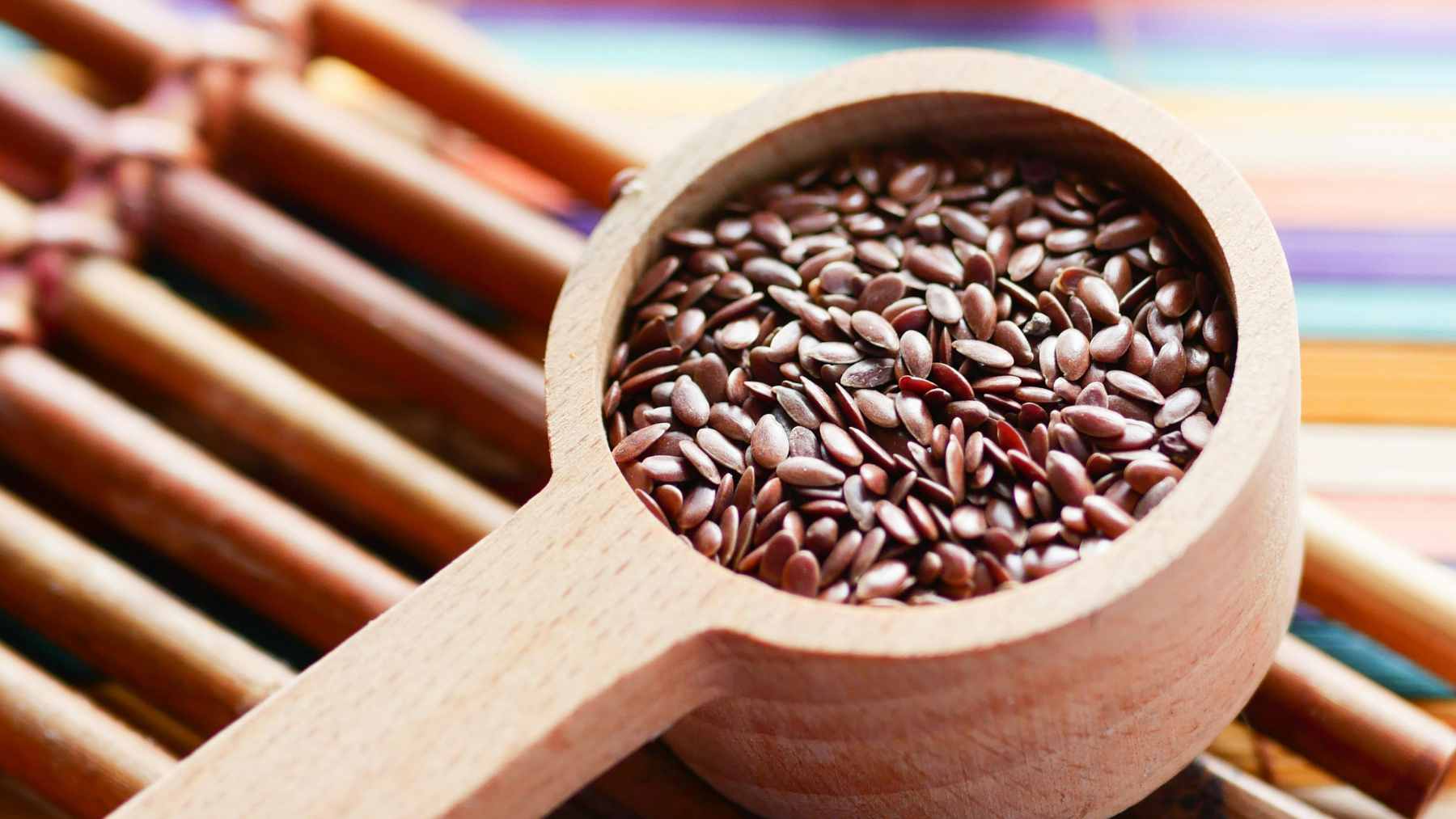
The seeds are usually brown or golden, with a mild, nutty taste that disappears easily into everyday meals. What makes them stand out is the mix of fiber, plant protein, healthy fats, minerals, and plant compounds packed into such a small serving.
Why grinding matters
So, should you eat flaxseed whole or ground? For most people, ground is the better everyday choice. Whole seeds have a firm outer coat, and that coat can move through digestion mostly intact.
Not ground, your body may miss some of the oil and other nutrients inside. A coffee grinder, food processor, or strong blender can do the job at home, and grinding only what you need may also help keep the flavor fresh.
What you get in a spoonful
One tablespoon of ground flaxseed is not a meal, but it can give a meal a useful boost. The Mayo Clinic lists that serving size as 37 calories, with about 2 grams of dietary fiber and polyunsaturated fats, which include omega-3 fats.
One of its key fats is alpha-linolenic acid, usually shortened to ALA. It is a plant-based omega-3 fat, and Harvard Health Publishing notes that ground flaxseeds and flaxseed oil are among the plant foods with the highest amounts of ALA.
Flaxseed also contains lignans, plant compounds that researchers study because they may affect health in several ways. Oregon State University’s Linus Pauling Institute describes flaxseed as by far the richest dietary source of plant lignans, especially when it is crushed or milled.
Easy ways to use it
The easiest move is to add ground flaxseed to breakfast. Stir it into warm oatmeal, overnight oats, cereal, yogurt, or a smoothie bowl. You will notice a slightly nutty flavor, but for the most part, it blends into the background.
It also works outside breakfast. Mix it into muffin batter, cookies, bread, energy bites, taco filling, meatballs, meatloaf, or homemade burger patties. For vegan baking, one tablespoon of ground flaxseed mixed with two tablespoons of water can stand in for an egg in many recipes.
Flaxseed oil has a place, too, especially in salad dressings or vinaigrettes. Think of it as a finishing ingredient, not the oil you reach for when a pan is already blazing hot.
How much is enough
There is no single official daily flaxseed rule for everyone. Many nutrition experts suggest one to two tablespoons a day as a practical amount, especially when people use it as a fiber-rich add-in rather than a supplement.
Still, more is not always better. Fiber can be helpful, but a sudden jump can leave you with gas, bloating, or diarrhea. That is why starting small and drinking enough water makes sense, especially if your usual meals are low in fiber.

Storage matters
Flaxseed has more fragile fat than many pantry staples, so it needs a little care. Whole seeds tend to last longer than ground flaxseed because the outer shell helps protect the oils inside.
Once a package is open, an airtight, opaque container is a smart move. The refrigerator or freezer is even better for ground flaxseed, especially if you do not use it every day. A sour or paint-like smell is a sign the oils may have gone rancid.
Who should be careful
Flaxseed is generally safe for many adults when used in normal food amounts, but it is not risk-free. The National Center for Complementary and Integrative Health warns against raw or unripe flaxseeds and says larger amounts may cause digestive symptoms such as bloating, fullness, and diarrhea.
Medication is another reason to pause. Clinical guidance says flaxseed or flaxseed oil may interact with anticoagulant or antiplatelet drugs, blood pressure medicines, diabetes medicines, and estrogen therapies, including some birth control pills.
That does not mean most people need to avoid it. It does mean anyone taking regular medication, preparing for surgery, or managing a medical condition should ask a health care professional before turning flaxseed into a daily habit. Better safe than guessing.
A small seed with a practical role
At the end of the day, flaxseed’s appeal is not that it transforms a diet overnight, it is that it can quietly improve the meals people already make, one spoonful at a time.
Ground flaxseed is the simplest way to get the most from the seed, and it fits into real kitchens without much fuss. Add it to breakfast, bake it into snacks, or mix it into savory dishes–simple as that.
The main official nutrition data cited for this article has been published in USDA FoodData Central.