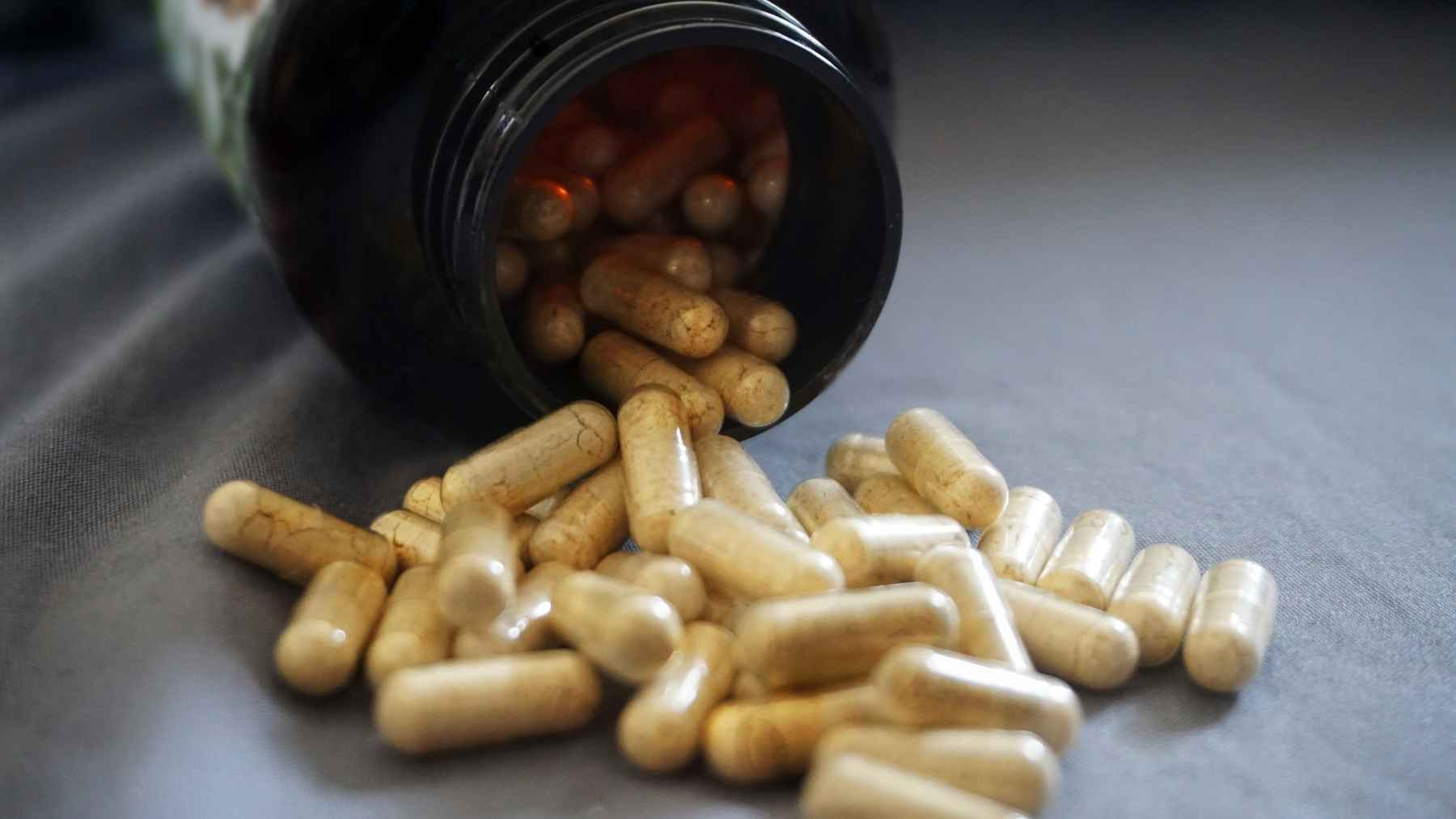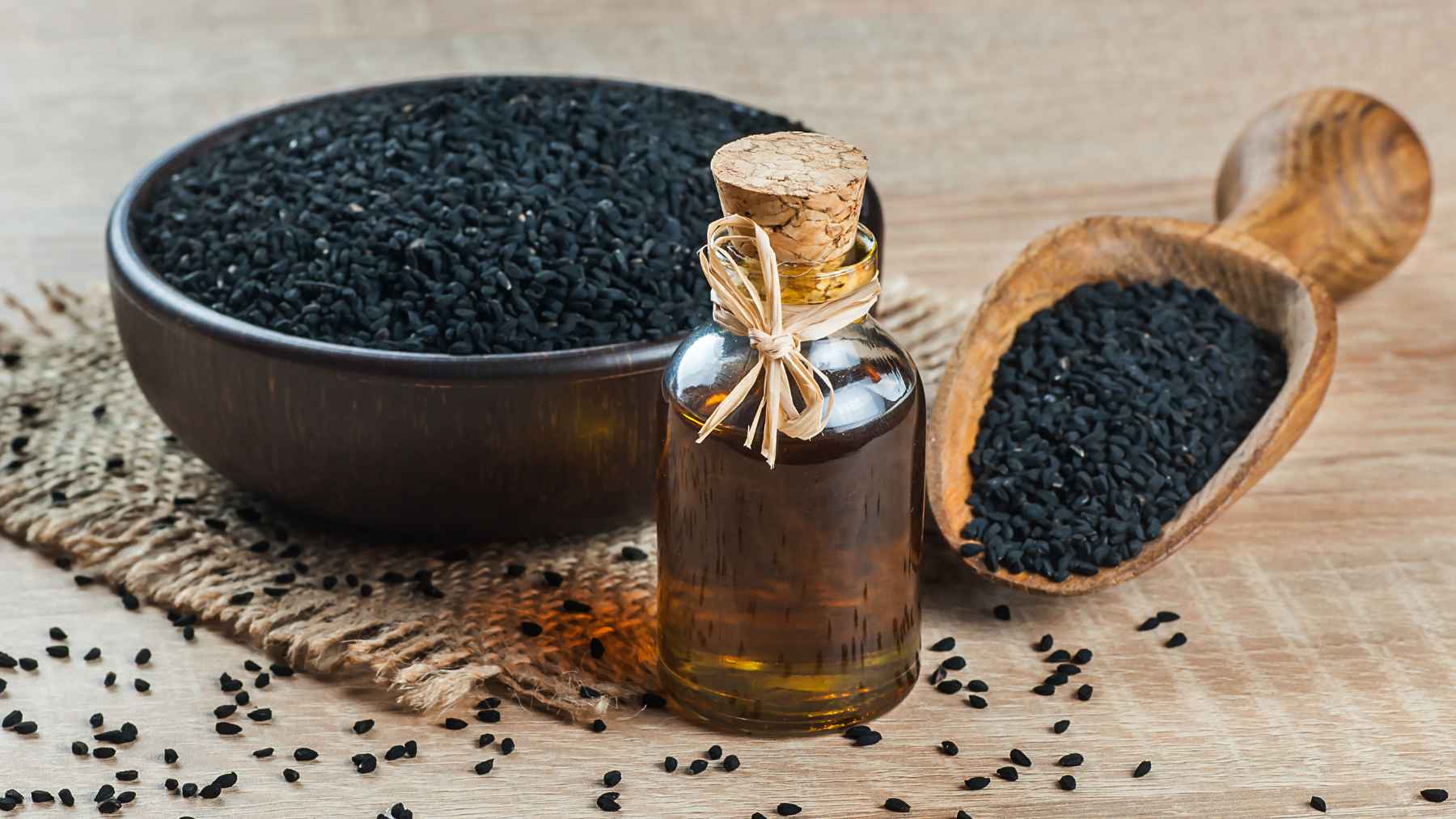
A spice used in curries and flatbreads may have more to offer than flavor. In a randomized trial, adults who took about 0.18 ounces of black cumin seed powder each day for eight weeks had lower LDL cholesterol, triglycerides, and total cholesterol, along with a small rise in HDL cholesterol.
Lab tests also found that an extract slowed fat buildup as immature fat cells developed.
That sounds like a simple kitchen fix, but it’s not yet. The human study included only 42 people, lasted two months, and did not use a placebo, so the findings are an early signal rather than proof that black cumin prevents obesity or replaces cholesterol treatment.
What the small trial found
Researchers enrolled adults with body mass indexes in the overweight or obese range and borderline or high cholesterol who were not taking cholesterol medication.
Twenty-two people received the daily powder, described as roughly one tablespoon, while 20 received no supplement. Both groups received the same diet and lifestyle guidance.
Average total cholesterol fell from 217.6 to 202.0 mg/dL, a drop of about 7%. LDL fell from 149.0 to 134.8, about 9.5%, and triglycerides dropped from 175.8 to 159.3, about 9.4%. HDL rose from 33.5 to 35.3, about 5.4%, while the control group showed no significant change.
Why the cholesterol shift matters
LDL is often called “bad” cholesterol because too much can collect inside artery walls. HDL helps carry some cholesterol back to the liver, while triglycerides store extra energy from food. When LDL and triglycerides run high, especially alongside low HDL, heart attack and stroke risk can rise.
One detail is easy to lose in the headline. The averages moved in a favorable direction, but they did not suddenly become ideal. After eight weeks, total cholesterol remained near 202, LDL near 135, triglycerides near 159, and HDL near 35, while healthy targets vary according to a person’s overall risk.
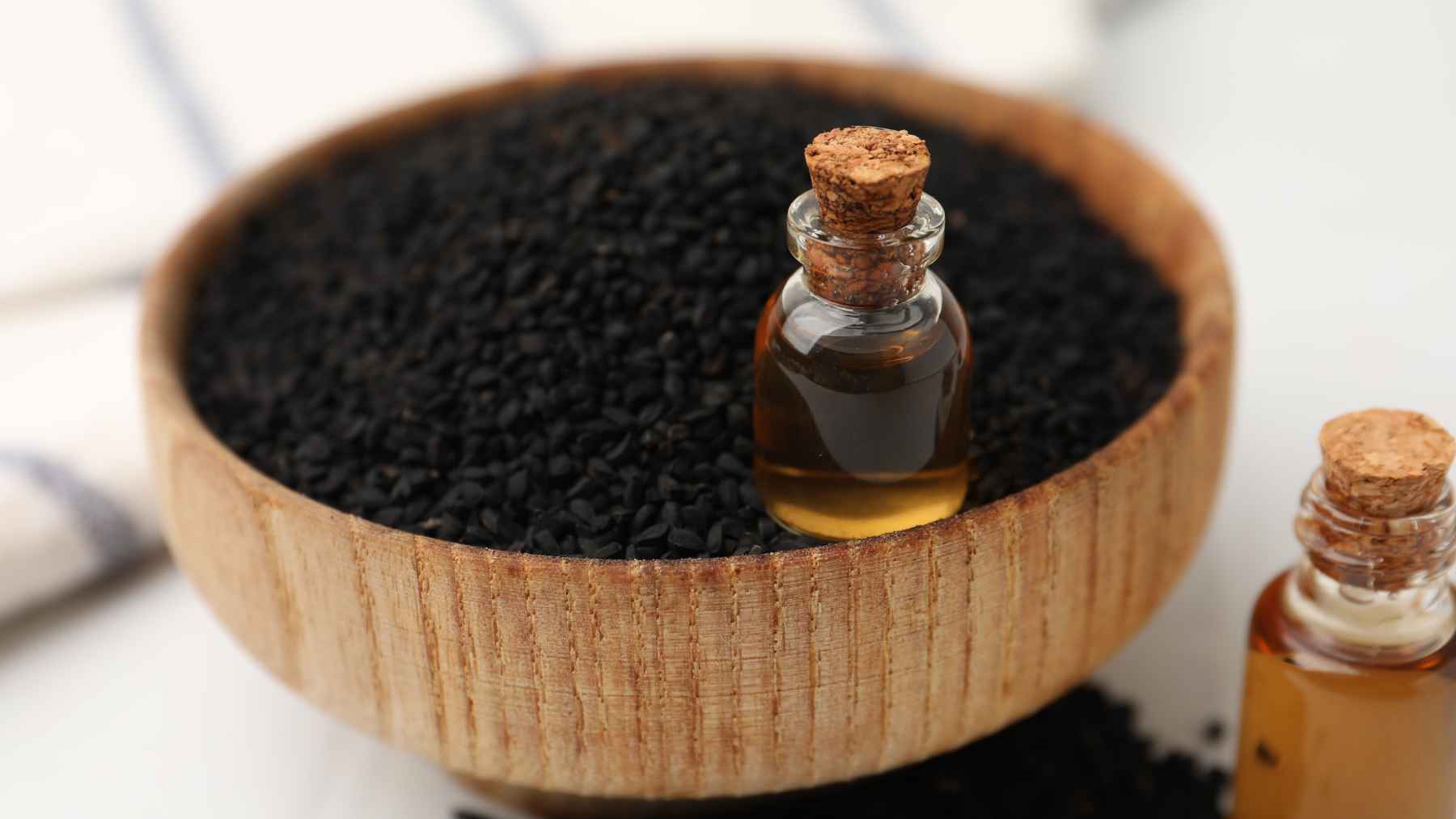
Black cumin seeds and black seed oil have attracted scientific interest after research linked daily consumption to improvements in cholesterol markers.
What happened in fat cells
The second part of the research took place in mouse cells commonly used to study adipogenesis, the process that turns immature cells into mature fat-storing cells.
At the highest tested dose, black cumin extract reduced triglyceride buildup inside those cells by about 41%. The extract also reduced the activity of genes that help fat cells mature and build lipids.
A petri dish is not a person. Cell experiments can reveal a possible mechanism, but they cannot show that eating the spice will cause weight loss or stop new body fat from forming. That distinction matters because the human trial reported blood fats and appetite, not a reduction in body weight.
Black cumin is not regular cumin
Black cumin comes from Nigella sativa and is also called black seed. It is not the tan cumin commonly shaken into chili or taco seasoning, even though the names sound similar.
The small black seeds are used in South Asian and Middle Eastern cooking and contain plant compounds such as phenols, flavonoids, and thymoquinone.
The work was led by first author Shamima Ahmed and senior researcher Akiko Kojima-Yuasa, linking Osaka Metropolitan University in Japan with Chattogram Veterinary and Animal Sciences University in Bangladesh.
It also fits a 2016 meta-analysis of 17 randomized trials, which found average reductions of 15.7 mg/dL in total cholesterol, 14.1 in LDL, and 20.6 in triglycerides. That pooled analysis did not find an overall HDL increase, although seed powder performed better than oil for that measure.
What the study cannot prove
The biggest weakness is the lack of a placebo. The authors acknowledged that this could introduce bias, even though the blood tests were assessed by blinded investigators.
The trial was also small, short, and conducted at one location, making it hard to know whether the same results would appear in a larger and more diverse group.
The research did not measure heart attacks, long-term weight loss, or actual prevention of obesity-related disease.
No significant adverse effects were reported during the eight weeks, but that does not establish long-term safety. People with high cholesterol should not replace prescribed treatment or medical advice with a spice based on one small trial.
Kojima-Yuasa said, “We hope to perform longer-term and larger-scale clinical trials to investigate the effects of black cumin on metabolism.” That is the right next step, especially for insulin resistance, inflammation, and whether the cholesterol changes last.
The full study was published in Food Science & Nutrition.