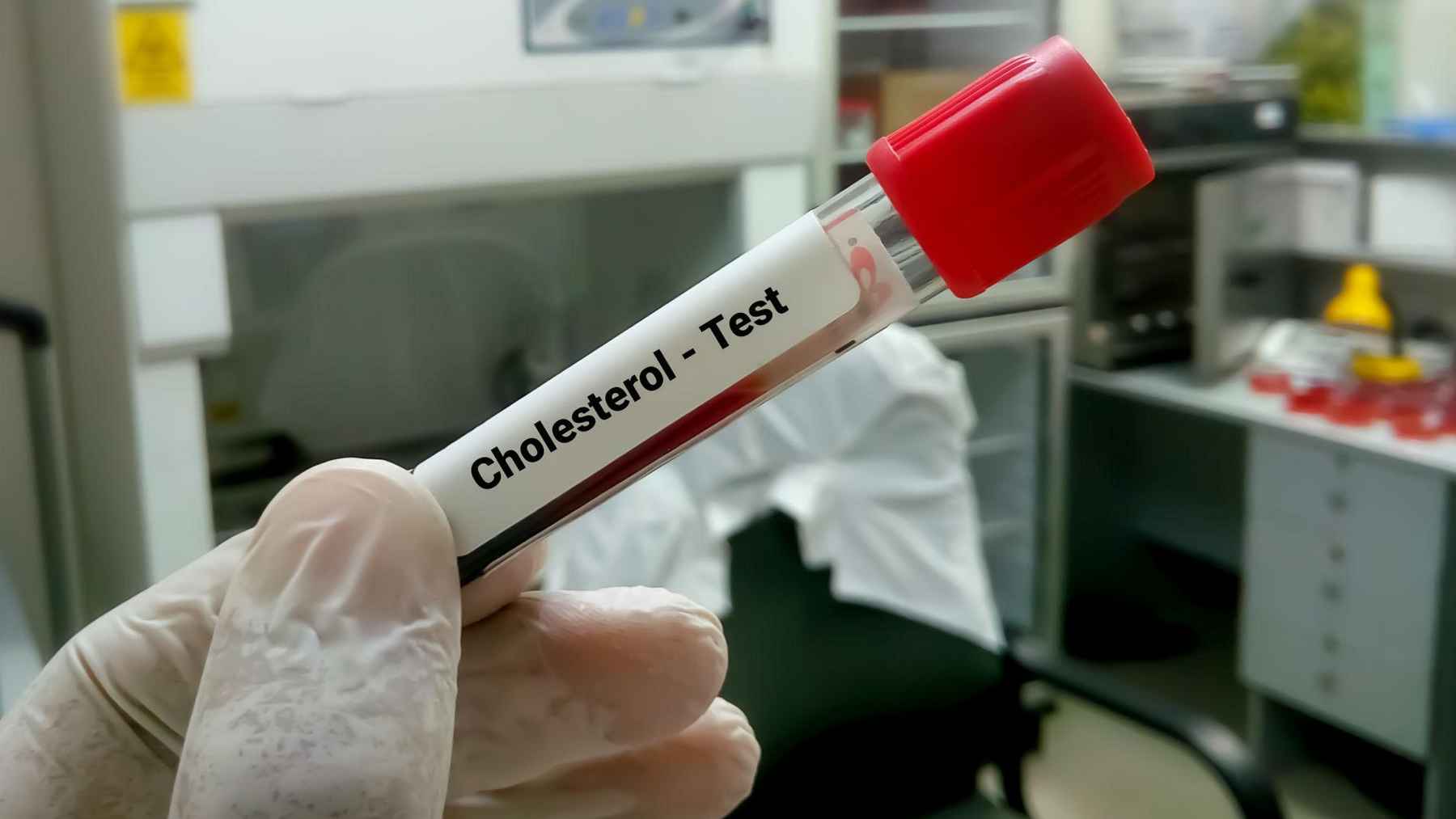
High cholesterol is one of those health risks people hear about for years, usually during a doctor’s visit or after a blood test. But a new study suggests there may be more happening inside the body than a simple buildup from what we eat.
Researchers in the United States have identified a hidden biological pathway that may explain why a high-cholesterol diet can gradually weaken the liver’s ability to clear LDL cholesterol, often called “bad cholesterol,” from the blood.
The finding does not replace diet, exercise, or existing medicines, but it could point to a new type of treatment for people who still struggle to bring their numbers down.
Why this matters
Cardiovascular disease remains the leading cause of death worldwide. The World Health Organization reported that these diseases caused an estimated 19.8 million deaths in 2022, about 32% of all global deaths.
LDL cholesterol matters because it can help form fatty buildup inside blood vessels. Over time, that buildup can narrow the roads that blood travels through, raising the risk of heart attack and stroke. It is a quiet process, but the consequences can be enormous.
The liver’s cleanup crew
The liver works like a cleanup station for cholesterol. On the surface of liver cells are LDL receptors, which act like tiny docking points that grab LDL cholesterol from the bloodstream and pull it inside for processing.
More receptors usually mean the liver can remove more LDL cholesterol. That is why common cholesterol-lowering drugs, including statins and PCSK9 inhibitors, help in part by preserving or increasing these receptors. In practical terms, they enable the liver to keep doing its job.
The hidden switch
The new research, led by Alan Saltiel at the University of California San Diego School of Medicine, found that a protein called ‘Ral’ appears to play a key role in this problem. When dietary cholesterol stays high over time, Ral becomes more active.
That activity sets off a chain reaction. Instead of keeping LDL receptors available on the liver cell surface, the body sends more of them toward breakdown. Saltiel said the work explains a “critical piece of that puzzle.”
A traffic jam inside cells
So what is actually happening? Think of the liver cell as a busy recycling center. The LDL receptors are supposed to keep returning to the surface so they can catch more cholesterol, again and again.
But when Ral is switched on, that recycling system gets disrupted. The receptors are routed toward internal cell compartments where they are destroyed, leaving fewer receptors available to clear LDL from the blood. The Nature paper describes this as a Ral-dependent pathway that drives LDL receptor turnover.
The CTSA target
The team also identified an enzyme called cathepsin A, known as CTSA, as a key part of the breakdown process. Enzymes are proteins that help chemical reactions happen in the body, and in this case, CTSA helps destroy LDL receptors once they are sent down the wrong path.
When researchers blocked CTSA with a small molecule inhibitor, LDL receptors became more stable in the liver. In mice, that approach improved cholesterol clearance and lowered circulating LDL cholesterol. That is a big clue, but still an early one.
Why this drug path is unusual
Usually, a discovery like this would take many years before it even reached early human testing. Here, there is a twist: a CTSA inhibitor had already been developed for another possible use involving heart failure.
That program was later shelved for strategic reasons, but the drug had already completed a Phase 1 clinical trial and had been tested for safety in people.
That means researchers may be able to move more quickly into a Phase 2 trial, where the key question would be whether it actually helps patients with high cholesterol.
Not a replacement yet
This finding does not mean a new cholesterol pill is ready for pharmacies. The strongest results so far come from mice and human cells, not from a completed trial in patients with high LDL cholesterol.
That distinction matters. Many ideas work well in the lab and then fail when tested in larger groups of people. Still, the path is promising because it works differently from current cholesterol medicines.
Another option for patients
Some patients cannot reach safe cholesterol levels even with existing drugs. Others stop or avoid certain treatments because of side effects. That is why doctors and researchers keep looking for additional options.
Because this newly described pathway is separate from the ones targeted by statins and PCSK9 inhibitors, a CTSA-based treatment could one day be used alongside current medicines. At the end of the day, that could give doctors another tool instead of asking every patient to fit the same treatment plan.
What comes next
The next major step is testing whether blocking CTSA lowers LDL cholesterol safely in people who need better control. A Phase 2 trial would help answer that question and show whether the early promise holds up outside the lab.
For now, the study adds a new piece to the cholesterol story. It shows that high dietary cholesterol may not only add to the problem directly, but also weaken the body’s own cleanup system over time–a small switch with big consequences.
The main study has been published in Nature.