Protein is everywhere. Grocery shelves are packed with bars, shakes, cereal, yogurt, and even foods that naturally contain protein carrying bold “high protein” labels. The nutrient receiving the loudest marketing may not be the one most Americans should think about first, however.
Dariush Mozaffarian, a cardiologist and director of the Food is Medicine Institute at Tufts University, has a different priority. “I think people are mistakenly obsessed with protein, when they should be obsessed with healthy fats,” he told The Washington Post.
His argument is not that protein is useless, but that the quality of fat in the diet may have a larger effect on heart and metabolic health.
Protein is important, but more is not always better
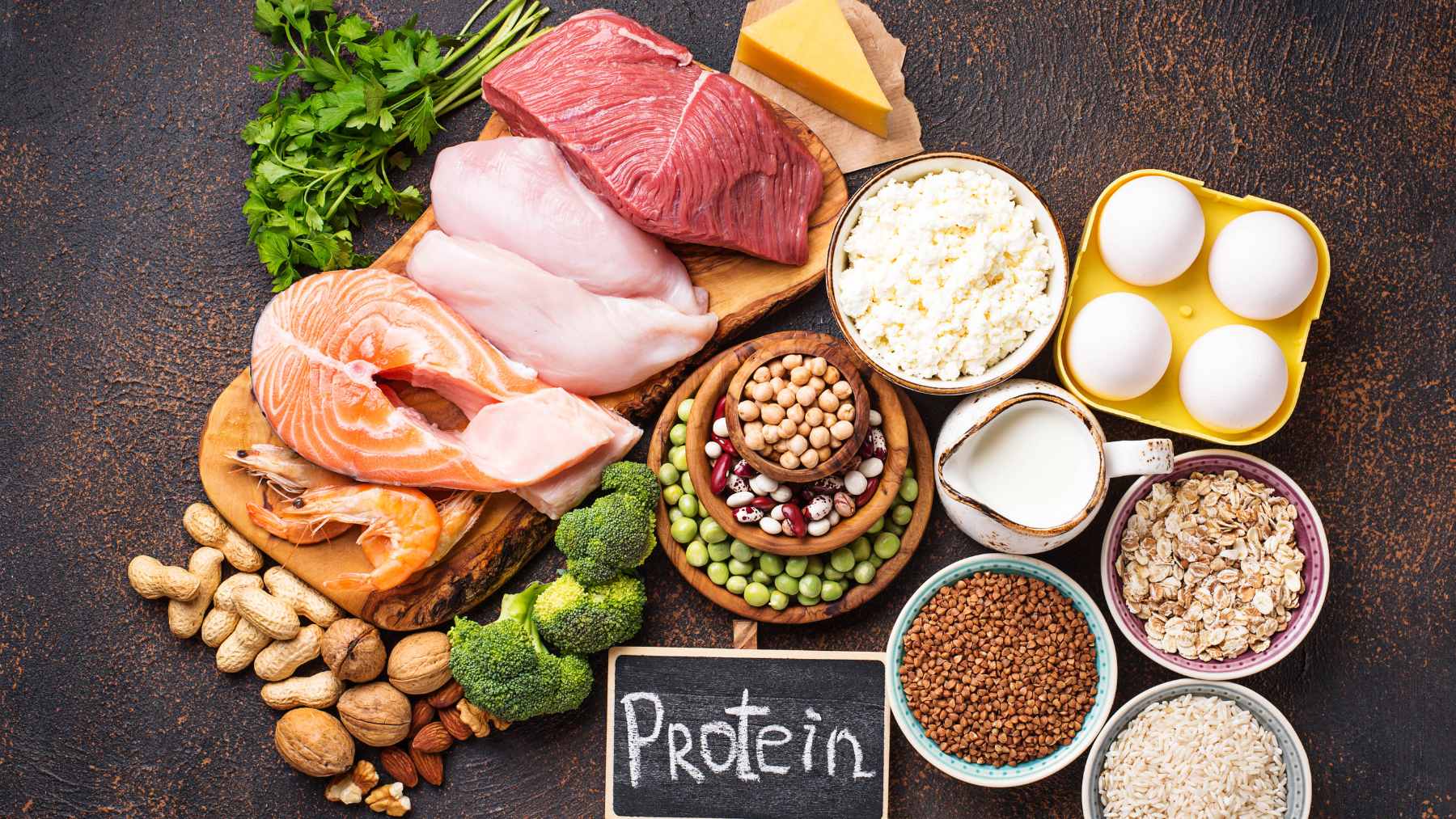
Protein helps build and repair cells, supports muscle, and supplies amino acids used throughout the body. Older adults, athletes, people recovering from illness, and anyone eating too little overall may need to pay closer attention to it. The problem begins when “high protein” becomes a shortcut for “healthy.”
CDC data show that protein provides about 16% of the calories eaten by U.S. adults on average.
That number does not prove that everyone gets the ideal amount, but it does show that protein is already a substantial part of the typical diet. A sweetened bar or heavily processed snack does not become a balanced food simply because extra protein was added.
Healthy fat does more than add calories
“Healthy fat” usually means unsaturated fat, the type found in nuts, seeds, olives, avocados, many plant oils, and seafood. Saturated fat is more concentrated in butter, fatty meat, full-fat dairy, coconut oil, and palm oil.
The practical difference is simple because replacing more saturated fat with unsaturated fat generally improves blood cholesterol.
Fat also has basic jobs that protein cannot take over. It helps the body absorb vitamins A, D, E, and K, and it supplies essential fatty acids that the body cannot make on its own. Those fats support normal cell function, brain development, inflammation control, and blood clotting.
The real benefit comes from a swap
This is where the healthy-fat message is often misunderstood. Adding olive oil, nuts, or avocado on top of an already calorie-heavy diet is not the same as using them to replace butter, processed meat, refined snacks, or sugary foods. In other words, the swap matters more than the drizzle.
The American Heart Association reviewed controlled trials and reported that replacing saturated fat with polyunsaturated vegetable oils reduced cardiovascular events by about 30%.
A major Mediterranean diet trial involving 7,447 adults at high heart risk also found fewer major cardiovascular events among people assigned extra-virgin olive oil or mixed nuts than among those given reduced-fat advice.
No single ingredient acted like a magic shield because the benefit came from an overall eating pattern.
Nuts, seed oils, and fish deserve a closer look
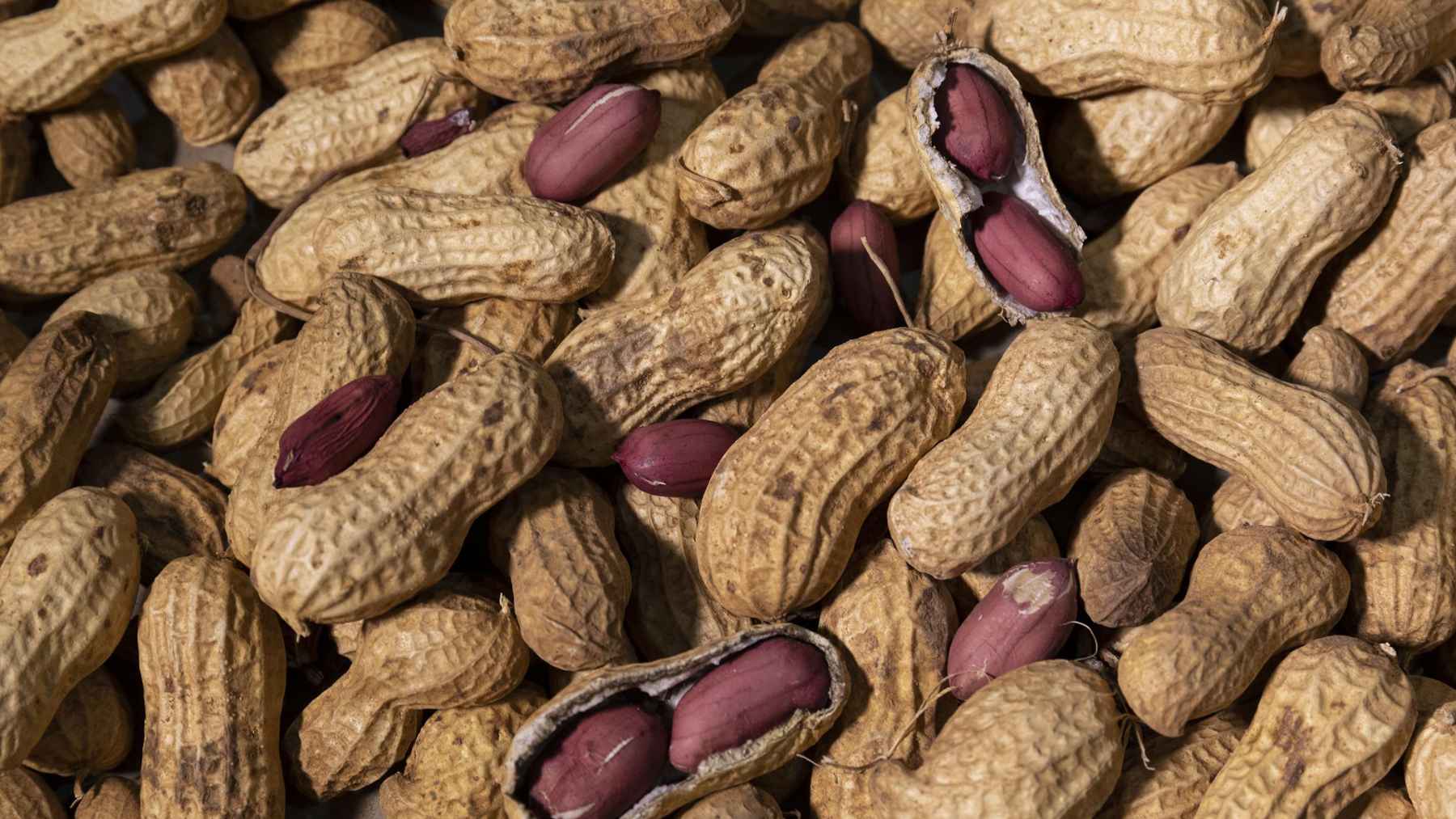
Nuts and seeds are often sold as protein foods, but much of their energy comes from fat. That is not a flaw. Along with unsaturated fat, they provide fiber, minerals, and plant compounds, which is why they appear in heart-healthy eating patterns.
The claim that all seed oils are harmful is not supported by the current evidence, including research on linoleic acid, the main fat in many of these oils.
Canola, soybean, sunflower, safflower, and corn oils are rich in unsaturated fats, while fatty fish supplies heart-friendly omega-3 fats. Current guidance recommends two 3-oz. servings of fish each week, with choices such as salmon, trout, sardines, anchovies, or mackerel.
Dairy needs nuance, not a free pass
The cardiologist described dairy fat as less beneficial than fats from plants and seafood, but potentially healthier than a diet heavy in refined starch and sugar.
A review of fermented dairy and other research on plain yogurt and cheese have found neutral or modestly favorable links with cardiovascular health, although much of that evidence is observational and cannot prove cause and effect. This remains an area where expert guidance is not perfectly uniform.
The everyday takeaway is less dramatic than the protein-versus-fat debate sounds.
Choose plain yogurt more often than heavily sweetened versions, add nuts or seeds to oatmeal or salad, cook with a liquid plant oil, and let fish replace a less healthy main course a couple of times a week.
Protein still matters, but a protein label should not crowd healthy fats, fiber-rich plants, and minimally processed foods off the plate.
The original interview was published in The Washington Post.