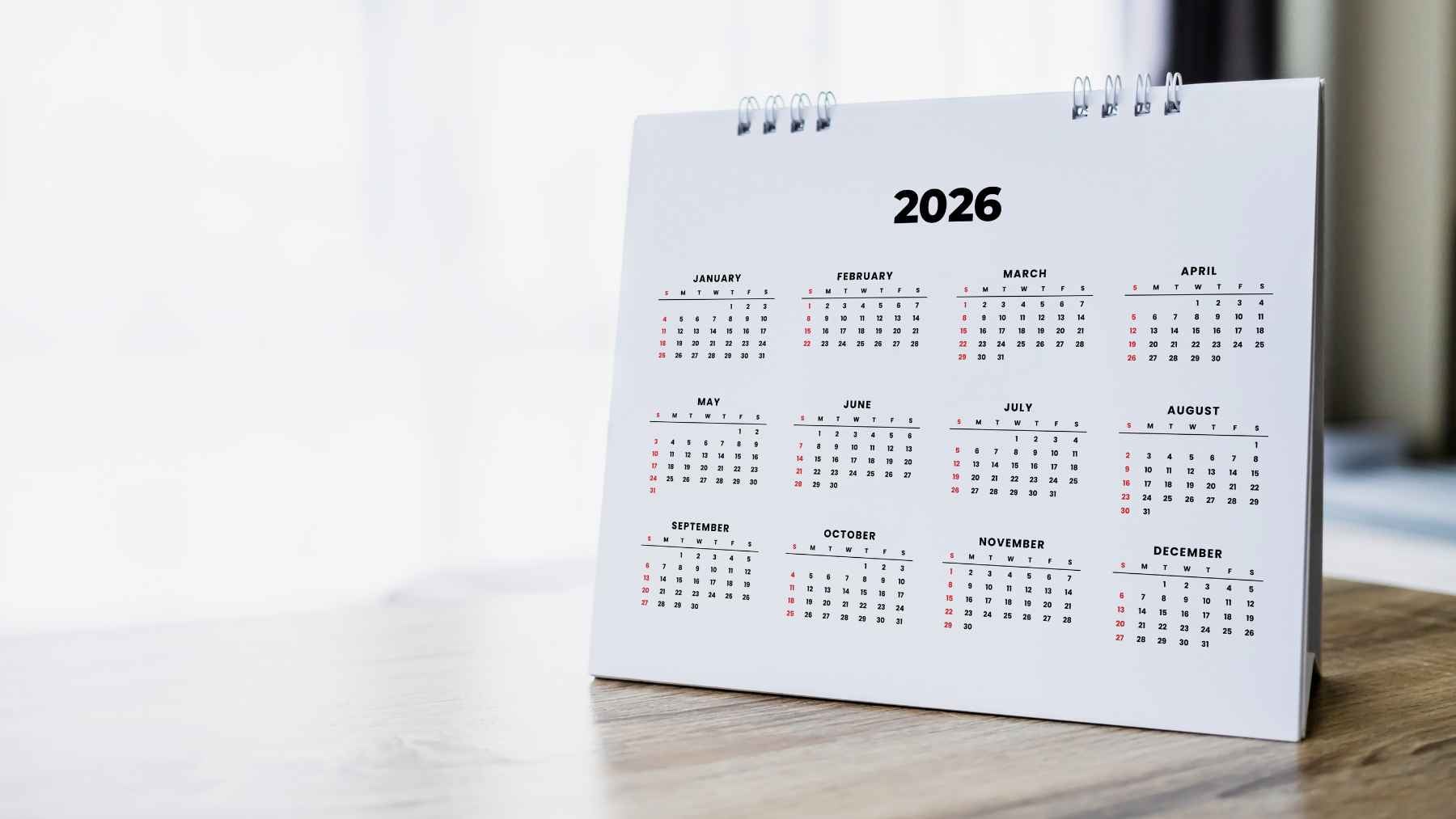
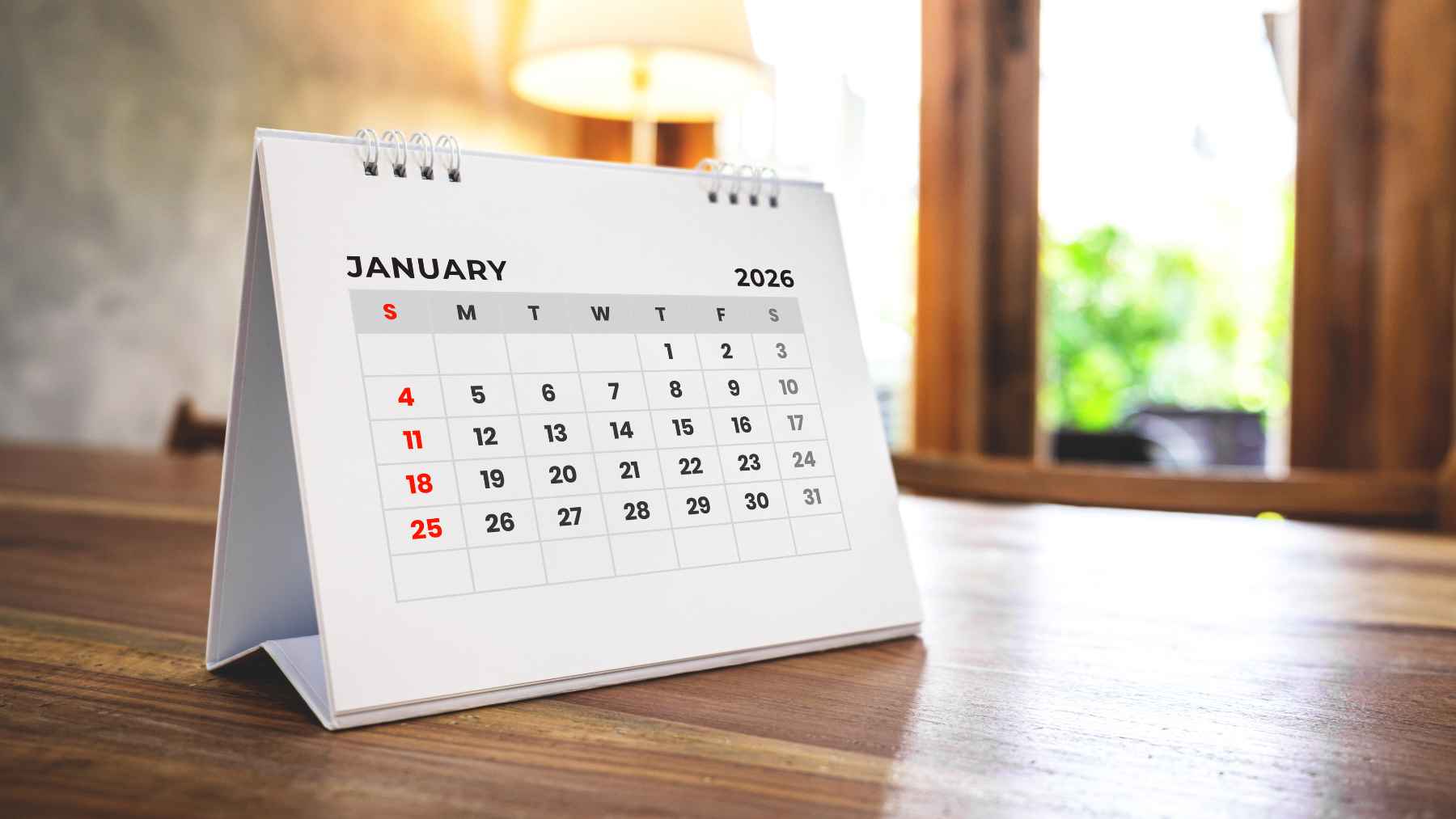
Keeping a paper calendar in a phone-first world can look old-fashioned. Yet research suggests the appeal is not simply resistance to technology. A page can make a crowded week visible at a glance, while handwriting adds physical and spatial cues that a small screen may not provide.
That does not mean every paper-calendar user has the same four personality traits. Psychology cannot read a person’s character from one habit. Still, studies on planning, memory, written goals, and familiarity help explain why some people prefer a quiet page over another app.
Paper shows the whole plan
Yanliu Huang of Drexel University, Zhen Yang of California State University, Fullerton, and Vicki G. Morwitz of Columbia Business School tested paper and mobile calendars in three experiments.
In the first, 129 undergraduates used one format for two weeks. Fifty-three percent of paper users completed their plans on time, compared with 33 percent of mobile users.
Why the gap? The team described paper as supporting a “big-picture view,” and the lead researcher said the test was whether users could “see the whole picture.” In practical terms, a Thursday meeting may look harmless until traffic, a grocery stop, and an assignment due that night all appear beside it.
Handwriting gives memory more clues
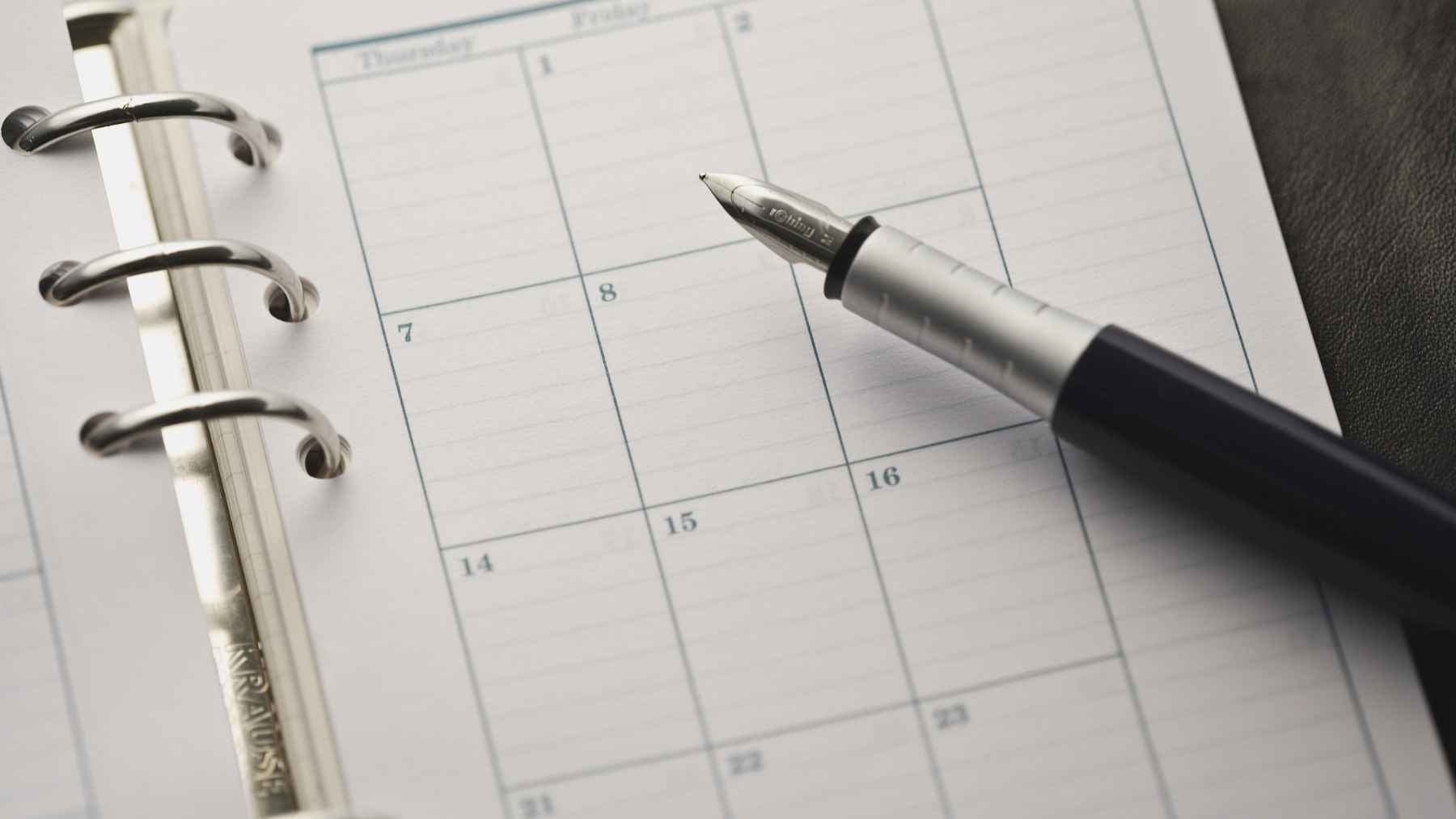
A separate 2021 study asked 48 adults to copy a fictional two-month schedule into a paper datebook, tablet, or smartphone. Keita Umejima and Kuniyoshi L. Sakai of the University of Tokyo found that paper users finished in about 11 minutes, versus 14 minutes on tablets and 16 minutes on phones.
They also performed better on simpler memory questions.
Brain scans taken an hour later showed stronger activity in areas linked with memory, language, and visual imagery among paper users. The researchers argued that a real page supplies fixed locations, handwriting differences, and tactile details that can become memory cues.
“Our take-home message is to use paper notebooks for information we need to learn or memorize,” the corresponding author said.
Written goals create commitment
Writing a plan also makes it more concrete, but the evidence needs careful wording. Psychologist Gail Matthews at Dominican University of California recruited 267 adults, and 149 completed a four-week goals study.
People who wrote their goals scored higher on self-rated achievement than those who only thought about them.
The written-goal group averaged 6.08, while the unwritten-goal group averaged 4.28. That is about a 42 percent higher score, not proof that writing makes someone 42 percent more likely to succeed. The strongest results came from participants who also sent weekly progress reports to a supportive friend.
One important detail matters. The participants entered goals into an online survey, so the study supports putting goals into words, not the special power of pen and paper. The calendar habit may help because it creates a visible commitment that is easy to revisit.
Familiarity may build anticipation
Some people also enjoy seeing a birthday, vacation, or concert slowly approach on the page. Robert Zajonc’s classic mere-exposure research at the University of Michigan found that repeated contact with a neutral stimulus can increase liking by making it familiar.
In everyday terms, seeing an event again and again may help it feel more present.
But this connection should stay modest. The experiments used unfamiliar words, symbols, and other stimuli, not paper calendars or future events. The theory can help explain anticipation, but it does not prove that paper-calendar users are naturally more joyful or sentimental.
Simplicity is part of the appeal
Then there is simplicity. A paper calendar does one job and stays where you put it. It does not buzz, ask for an update, or tempt you to check messages while you are trying to plan dinner, homework, or a doctor’s appointment.
For someone who already spends the day moving between screens, that narrow purpose can feel useful rather than outdated.
Choosing paper may signal a preference for fewer steps, more control, and a planning tool that remains visible without unlocking anything. Sometimes less really is the feature.
Phones still have strengths
Digital calendars still have clear advantages. The research team noted that phone calendars can work well for a single appointment because alerts and reminders help at a specific time. They also found that mobile users planned better when the app encouraged a wider view of nearby events.
That points to a practical middle ground. Use a phone for changing details and reminders, then use paper when a week becomes complicated or a goal needs a visible place. The better calendar is the one that helps you see, remember, and follow through.
The main study has been published in the Journal of Consumer Psychology.