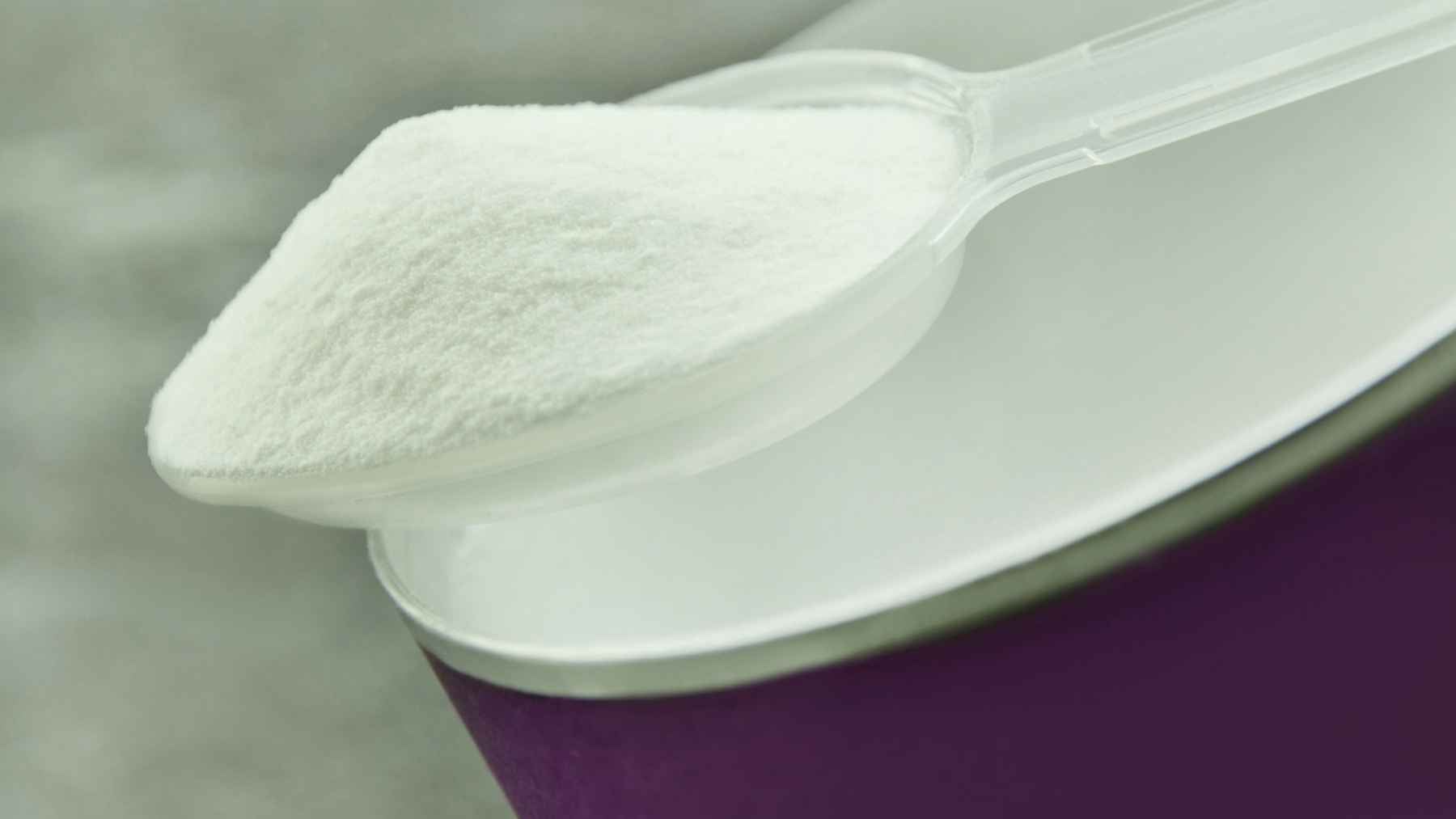
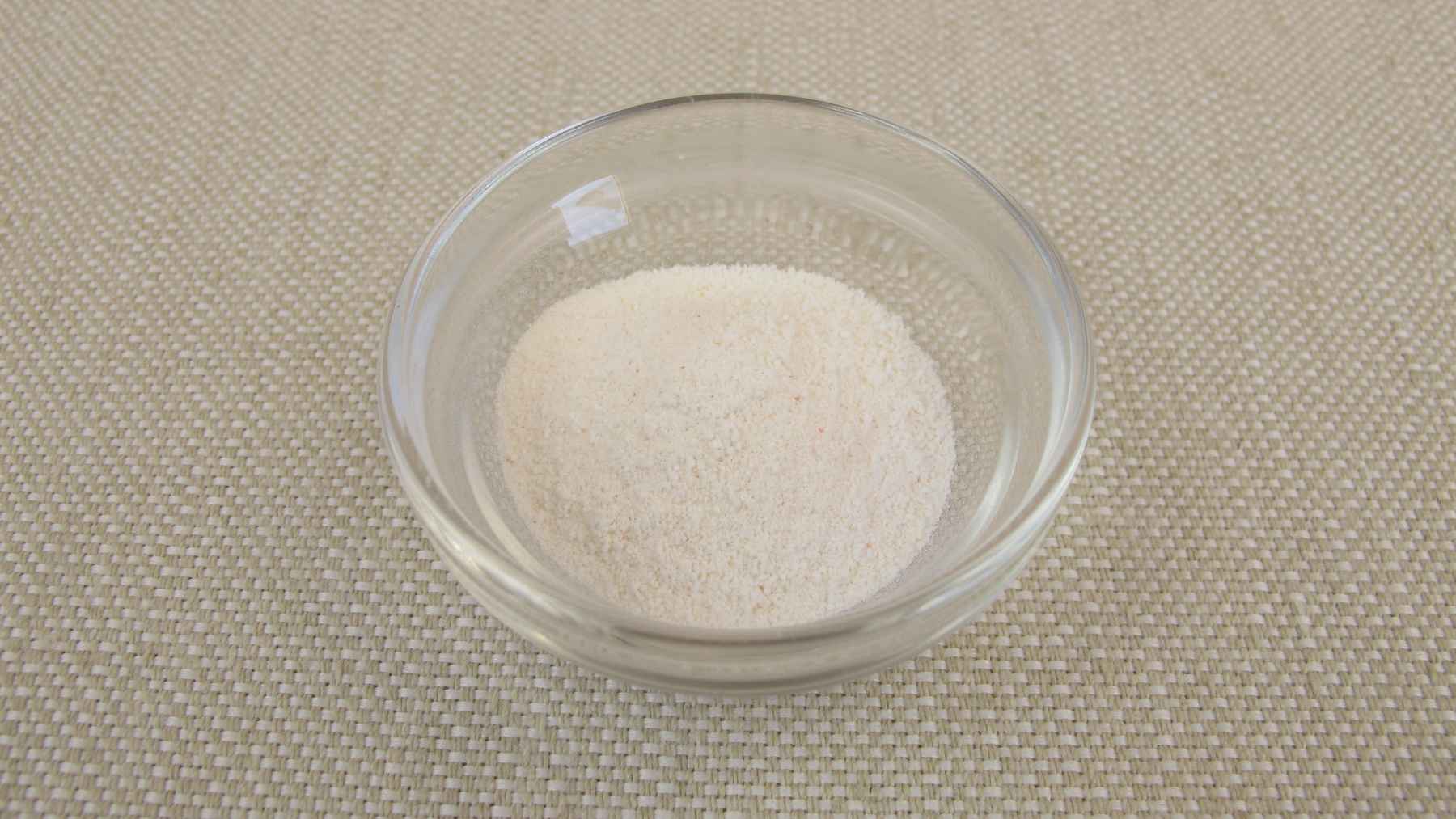
A spoonful of white powder stirred into water looks almost too simple to matter. Yet inulin, a soluble fiber usually extracted from chicory root, is being promoted as a daily drink for bowel regularity, appetite control, and steadier blood sugar.
The best-supported benefit is narrower and more useful. Research suggests enough inulin can modestly improve constipation and feed certain gut bacteria, but a casual teaspoon is not a guaranteed appetite suppressant or glucose treatment.
What inulin actually does
Inulin is not a probiotic, so it does not contain live bacteria. It is a prebiotic, meaning human digestive enzymes leave it largely untouched and certain microbes in the colon use it as food.
The International Scientific Association for Probiotics and Prebiotics defines a prebiotic as a substance selectively used by the body’s microorganisms in a way that brings a health benefit.
Think of it as groceries for part of the gut community. As microbes ferment inulin, they create compounds that can influence the intestinal environment and add to the material moving through the colon. That process may support regularity, but it also produces gas.
What the trial found
Marie-Luise Puhlmann of Wageningen University & Research led a randomized crossover trial of 39 adults with functional constipation, meaning persistent constipation without an obvious disease or drug cause.
After four weeks on a little over four-tenths of an ounce of chicory inulin daily, participants averaged about half an additional bowel movement per week compared with the placebo period and reported better constipation-related quality of life.
The authors called inulin a “promising non-pharmacological treatment alternative,” though the study found possible carryover between treatment periods and was funded by ingredient maker Sensus.
That is encouraging, not dramatic. It suggests the fiber may help some people who are genuinely constipated, but it does not prove that one teaspoon works for everyone. The research dose was also measured by weight, not scooped casually from a kitchen jar.
Why one teaspoon is only a starting point
For home use, half a teaspoon mixed into a glass of water is a cautious place to begin.
Drink it soon after stirring, keep drinking water normally throughout the day, and increase toward one teaspoon only if your stomach handles it well. Check the label because powder density and serving sizes differ among products.
Water is simply a convenient carrier. The 2025 trial did not test whether drinking inulin on an empty stomach was better than taking it with food or later in the day. Consistency and tolerance matter more than turning it into a strict morning ritual.
Appetite and blood sugar claims
Can inulin keep you full until lunch? Perhaps for some people, but the evidence is not tidy.
A systematic review led by Anna Liber at the Medical University of Warsaw examined 15 adult trials with 545 participants and found that most reported no clear effect on appetite sensations or daily calorie intake, although limited longer-term data hinted at possible weight benefits.
Blood sugar findings are more promising in specific groups. A meta-analysis of 33 randomized trials found improvements in several measures of glucose control mainly among people with prediabetes or type 2 diabetes, generally after weeks of supplementation rather than one drink.
That does not make inulin a replacement for prescribed medication, meals built around whole foods, or medical care.
There is another important detail. European food-safety reviewers found that lower after-meal glucose responses occurred when inulin-type carbohydrates replaced digestible sugars in foods or drinks. Simply adding a teaspoon to water beside the same meal is not the same experiment.
Who should be cautious
Inulin is highly fermentable, which is the reason gut bacteria can use it so quickly. It is also why some people develop bloating, gas, rumbling, or cramps when they start with too much. More is not always better.
People with irritable bowel syndrome or known fructan intolerance should be especially careful. Monash University’s guidance on FODMAPs, a group of fermentable carbohydrates, warns that inulin may worsen gas-related symptoms in people with IBS and recommends starting fiber supplements at a low dose.
Anyone with an ongoing digestive disorder, unexplained bowel changes, or regular medication use should discuss routine supplementation with a doctor or registered dietitian.
At the end of the day, inulin water is a practical way to add a specific prebiotic fiber, not a shortcut that repairs the entire microbiome. Start small, judge it by how your own gut responds, and remember that vegetables, beans, whole grains, nuts, and seeds bring many nutrients that a single powder cannot.
The main study has been published in BMC Gastroenterology.