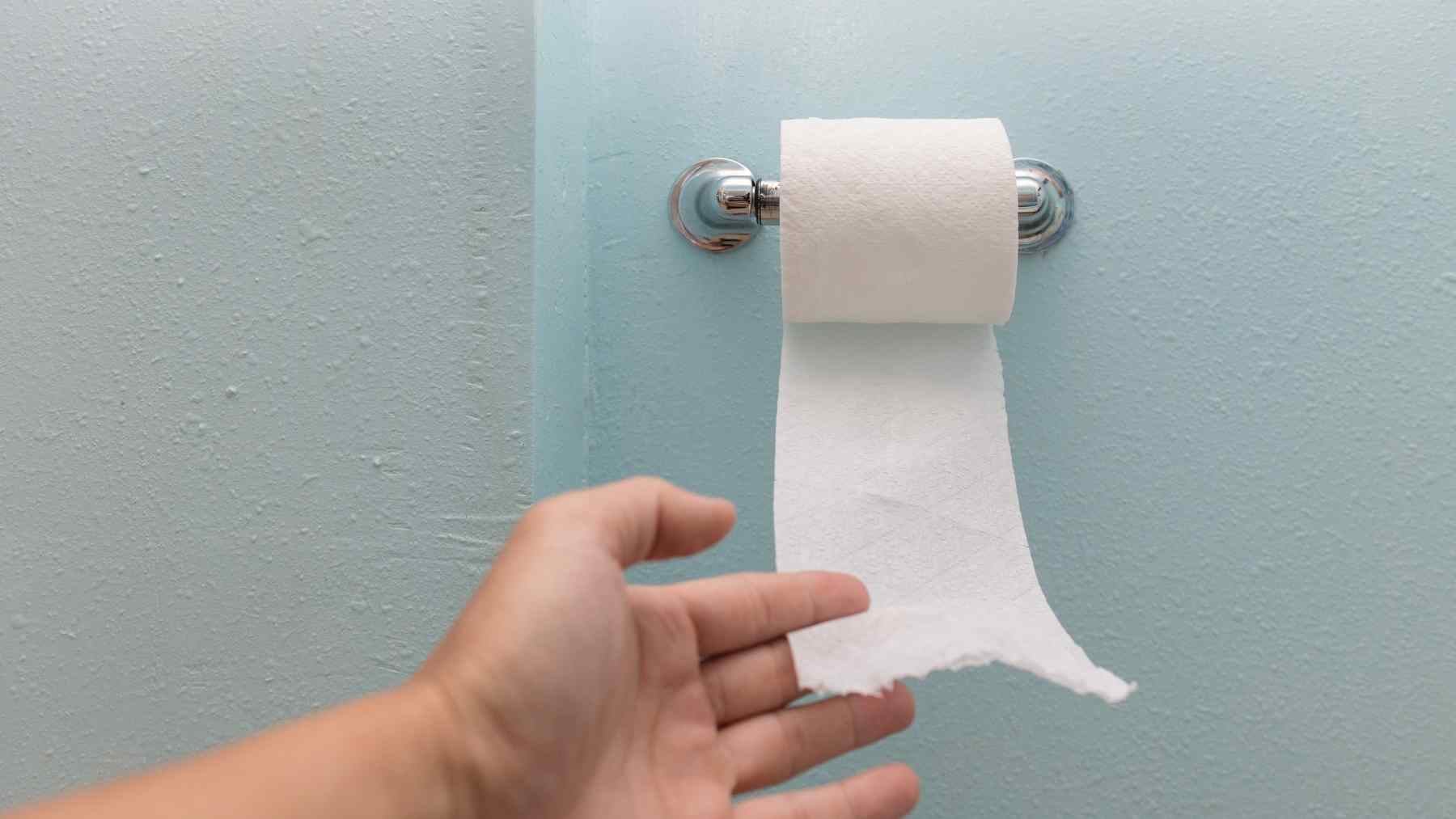
Most people do not plan their bathroom schedule with much intention. They just hope everything works before the commute, school drop-off, or that first meeting of the day. But gastroenterologists say the morning really does have an advantage for many people, especially shortly after waking and eating breakfast.
Still, the bigger story is not that everyone needs to poop at the same hour. It is that the gut likes a routine. As gastroenterologist Dr. Will Bulsiewicz put it, “Rhythm is important,” and that simple idea may matter more than chasing a perfect bathroom time.
Why morning helps
Morning has biology on its side. During sleep, digestion tends to slow down, stool can collect in the colon, and the body begins to shift back into daytime activity after waking. Research also shows that major colon functions, including motility, follow daily rhythms tied to the body’s internal clock.
Then breakfast adds a second push. When food or drink stretches the stomach, the gastrocolic reflex can increase movement in the lower digestive tract and help move stool toward the rectum. That first glass of water or cup of coffee is not magic, but for many people it becomes a familiar cue.
That is why some experts point to the morning bathroom window. Dr. Kenneth Brown told EatingWell that “in the morning, shortly after waking up” tends to be the best time for many people. But life is not always that tidy, especially for shift workers, new parents, frequent travelers, and anyone whose mornings start in a rush.
Regular beats perfect
The healthiest bathroom habit is not about beating the clock. It is about going often enough, passing stool without major strain, and feeling like the bowel movement is complete. A quick daily trip does not always mean the job is done.
The normal range is wider than many people think. A PubMed-listed study found that 98 percent of adults without major digestive conditions had stool frequency between three times per day and three times per week.
That means one person may feel fine going every other day, while another may feel backed up even with a daily trip. Tiny, hard stools or a constant sense that something is left behind can still point to constipation. In practical terms, comfort matters.
What can throw it off
The routine is fragile. Travel, aging, pregnancy, a new medication, less movement, or a change in what and how much you eat can all alter bowel habits. The National Institute of Diabetes and Digestive and Kidney Diseases also lists low fiber intake, dehydration, and not enough physical activity among constipation-related factors.
Stress can play a role too. The gut and brain talk to each other all day, which is why anxiety, poor sleep, or a tense week can show up in the bathroom. In a large Institute for Systems Biology analysis, mental health history was also connected with how often people reported pooping.
Diet is the everyday lever most people can actually adjust. NIDDK says adults should generally get 22 to 34 grams of fiber a day, depending on age and sex, and fluids help fiber work better. Add fiber slowly, though, because a sudden jump from low-fiber meals to beans, bran, and berries can bring bloating instead of relief.
How to train your gut
In practical terms, a morning routine is the easiest place to start. Wake up around the same time, drink water, eat a fiber-rich breakfast, and sit on the toilet after the meal for a few minutes. Do not strain. The goal is to teach the body a cue, not force a result.
Mayo Clinic also recommends creating a regular schedule for passing stool, especially after a meal. It also advises eating high-fiber foods, drinking plenty of fluids, staying active, and not ignoring the urge to go.
Movement helps more than people realize. A short walk after breakfast, or even after dinner the night before, can nudge digestion in the right direction. When the day becomes one long chair session, the bowel often gets less of that natural push.
When to call a doctor
Not every off day is a crisis. A long flight, a salty restaurant meal, a disrupted sleep schedule, or a weekend with too little water can slow things down for a bit. That sticky bathroom discomfort is common, but it should not become your new normal.
NIDDK says constipation symptoms can include fewer than three bowel movements a week, hard or dry stools, painful passage, or feeling that not all stool has passed. It also advises seeing a doctor right away if constipation comes with rectal bleeding, blood in the stool, constant abdominal pain, vomiting, fever, unexplained weight loss, or inability to pass gas.
A 2024 Cell Reports Medicine study adds another reason to pay attention. Researchers looked at data from more than 1,400 generally healthy adults and found links between bowel movement frequency, gut microbes, and blood markers related to organ function. These findings do not mean everyone must go once or twice a day, but they do suggest that bathroom patterns can offer useful clues about overall health.
The press release about the study was published on Institute for Systems Biology.