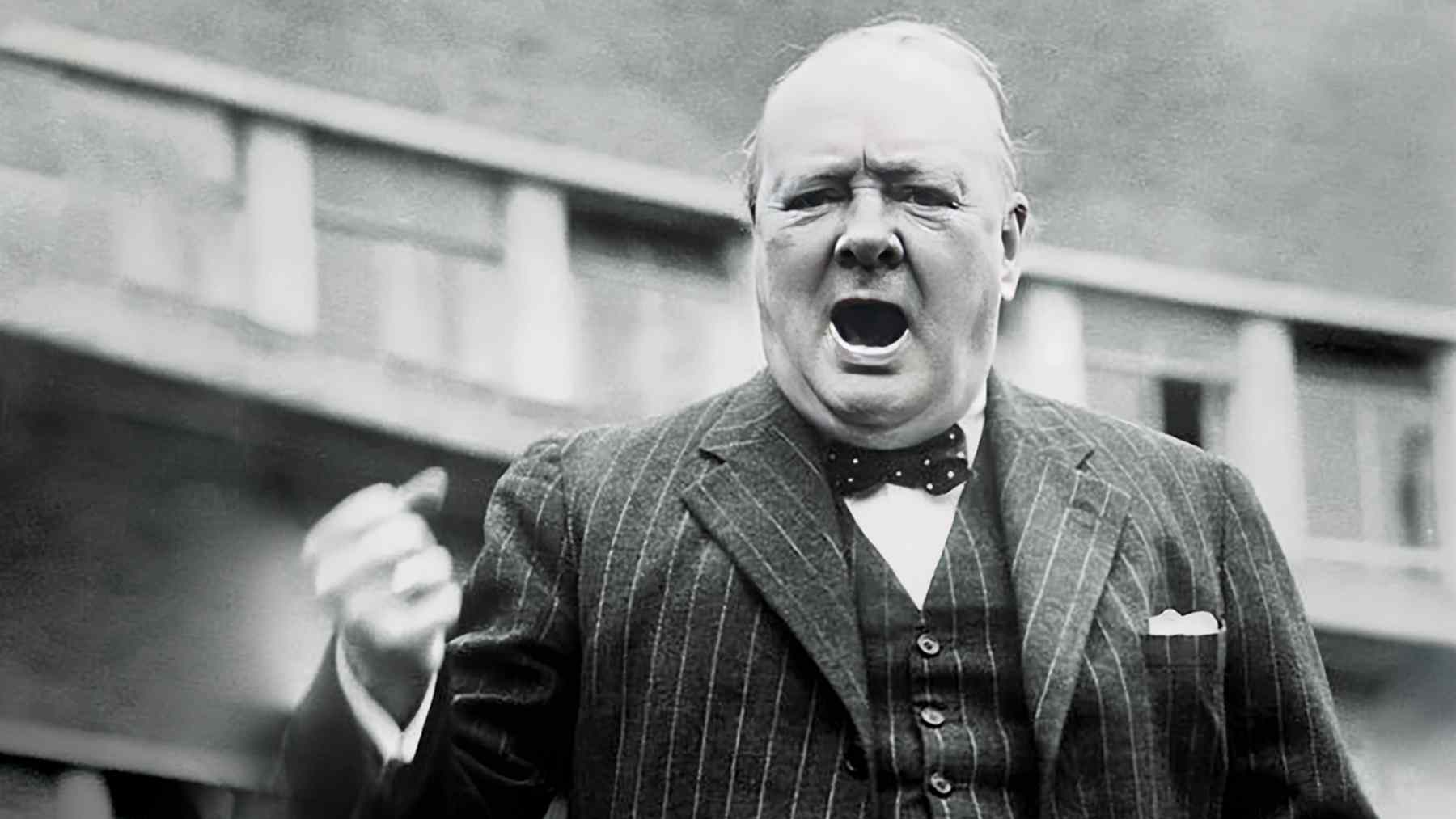
A famous line often linked to Winston Churchill says, “Courage is what it takes to stand up and speak; courage is also what it takes to sit down and listen.” It is sharp, memorable, and easy to share, especially because Churchill was a two-time British prime minister and a 1953 Nobel Prize in Literature winner.
There is one important catch. The International Churchill Society lists the sentence among quotes falsely attributed to Churchill, noting that it appears nowhere in the Churchill canon. Still, the idea behind it lands hard in modern life because listening well may be one of the most underrated mental health habits we have.
The quote and the catch
The line has survived because it flips a familiar idea. Most people associate courage with taking the microphone, defending a position, or saying the thing no one else wants to say.
But listening can demand its own kind of bravery. It means giving up the need to control the room, at least for a moment, and accepting that another person may know something you do not.
Why listening feels hard
In everyday life, many conversations are not really conversations. They are quick exchanges where each person waits for a gap, ready to jump in with a defense, a correction, or a better story.
That is why genuine listening can feel almost uncomfortable. It asks you to pause, tolerate silence, and resist the urge to win the moment. Simple? Not always.
What science says
Research is giving that old idea a modern backbone. In a Social Neuroscience study, researchers found that perceiving active listening enhanced activity in the ventral striatum, a part of the brain’s reward system, and improved people’s impressions of their own experiences.
Workplace research points in the same direction. A meta-analytic review in the Journal of Business and Psychology drew on 664 effect sizes and 400,020 observations, finding strong associations between perceived listening and work outcomes, especially relationship quality.
Active listening basics
Active listening is not simply staying quiet while planning your answer. It means paying attention, trying to understand the other person’s point, and showing a positive intention toward them.
That can look small from the outside. A phone turned face down, eye contact that does not feel forced, or a short phrase like “I’m trying to understand what you mean” can change the tone of a conversation.
Why it helps relationships
A 2023 paper in Current Opinion in Psychology describes listening and perceived responsiveness as two forces that can create a sense of interpersonal connection. In plain language, people tend to feel closer when they feel understood, appreciated, and cared for.
Who has not felt their shoulders drop when someone finally “gets it”? That tiny moment can soften a tense exchange at the dinner table, in a doctor’s office, or during a stressful call after a long workday.
A quieter form of courage
Speaking up still matters. There are moments when silence becomes avoidance, and a person needs to stand, disagree, or defend a boundary.
On the other hand, constant talking can become a shield. It can protect someone from doubt, criticism, or the unsettling possibility that they may be wrong. That is where listening becomes more than politeness.
Leadership starts here
The original news item points to a leadership lesson that is just as useful at home. A person who only talks can become isolated, while someone who listens may spot problems earlier and build stronger trust.
In practical terms, that means a manager hearing out an employee before deciding, a parent letting a teenager finish, or a partner not turning every complaint into a courtroom debate. Small moments, big consequences.
How to practice it
One useful trick is to wait two breaths before responding. That pause can keep a conversation from turning into a reflex contest, especially when the topic is touchy.
Another habit is to reflect back the main idea without adding a judgment. “It sounds like you felt ignored” can do more than a long speech, because it tells the other person their words actually landed.
Listening is not surrender
Listening does not mean agreeing with everything. It does not mean letting someone mistreat you, ignore your boundaries, or dominate the conversation.
For the most part, it means taking in the other person’s words before deciding what comes next. At the end of the day, that is a healthier way to disagree, repair, and stay connected.
The real lesson
The quote may not belong to Churchill, but its message still fits the way many people are trying to live now. In a noisy world, attention is not a small gift.
It is a practice. And sometimes, yes, it takes courage.