In Argentina’s Vaca Muerta, a place better known for oil wells, gas rigs, and dusty red ground, another kind of oil is getting attention. A farm in Añelo, Neuquén, is producing extra virgin olive oil good enough to sell in Spain, one of the toughest olive oil markets in the world.
The story stands out because the landscape does not look like a classic olive-growing postcard. There is wind, dry air, frost, and a labor market pulled hard by the energy industry. Yet those same conditions have helped create a stable, high-quality crop with an unusual commercial angle.
Olive trees in oil country
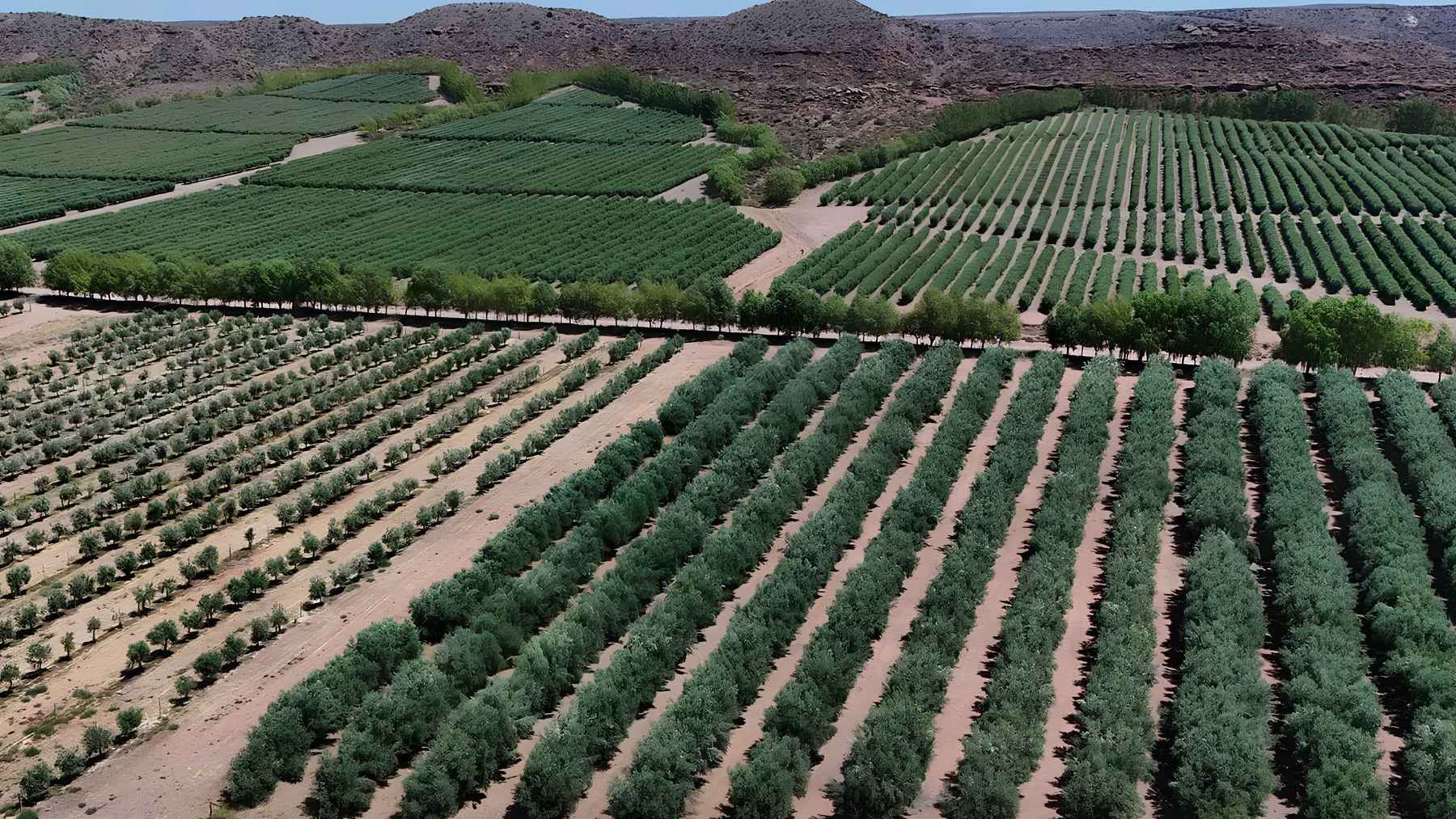
Servicios Neuquinos, known as SeNeu, says its Fortín de Piedra property covers about 2,965 acres and combines livestock, forage, forestry, olive oil, and wine production in an integrated food model.
About 1,606 acres are already productive, a green patch set inside a region usually associated with hydrocarbons.
That contrast is the hook. In practical terms, a farm surrounded by wells is now selling a food product into the same country many consumers associate with some of the best olive oils on the planet.
It is not a replacement for Spain’s massive industry, but it is a striking sign of how far Patagonia’s agricultural map is stretching.
A small test became a business
The olive project began in 2009 with a test planting of about three acres. The results were strong enough that, two years later, the company moved toward a larger plan.
Today, the farm has about 198 acres of olive trees. Roughly 124 acres are in full production, while another 74 acres were planted between late 2024 and early 2025.
The orchard is built around Arbequina and Arbosana, which together make up most of the planting. Picual, a larger olive that brings plenty of fruit but less oil efficiency, fills the rest.
Why the yields matter
The trees are grown in a super-intensive system, with rows about 13 ft. apart and plants about 5 ft. apart for Arbequina and Arbosana. That setup allows mechanical harvesting, which matters when labor is hard to secure in a zone where energy jobs compete for workers.
In 2024, the farm harvested about 920 tons of olives, a record for the operation. The average was close to 7.6 tons per acre, while some fields reached roughly 8.9 to 11.2 tons per acre.
Agronomist Pablo Roldán, the project manager, put the point simply: “The field has many productions, but of all of them, the olive tree expresses itself best,” he said, adding that it is stable and delivers very high oil quality.
The Spain factor
Why does selling to Spain matter so much? Because Spain is not just any buyer. The International Olive Council’s latest sector figures show Spain far ahead of other major European producers, and Olive Oils from Spain says the country produces nearly half of the world’s olive oils.
That is why the comparison from the company lands so clearly. Selling Patagonian olive oil to Spain, they said, is “like selling chocolates to the Swiss.” It sounds almost backwards at first.
The explanation is timing and chemistry. Patagonia produces in the opposite season from Europe, and the oil has high stability, strong polyphenol levels, and a profile useful for blending with Spanish oils.
What makes the oil valuable
Polyphenols are natural plant compounds that can influence bitterness, aroma, and how well an oil holds up over time. They are one reason a bottle can taste fresh and stay stable instead of fading quickly on a kitchen shelf.
According to agronomist Juan Kiessling of INTA, the Neuquén oil reaches around 194 ppm of polyphenols, along with a high oleic acid content. In plain language, those traits are tied to quality, nutritional value, and resistance to aging.
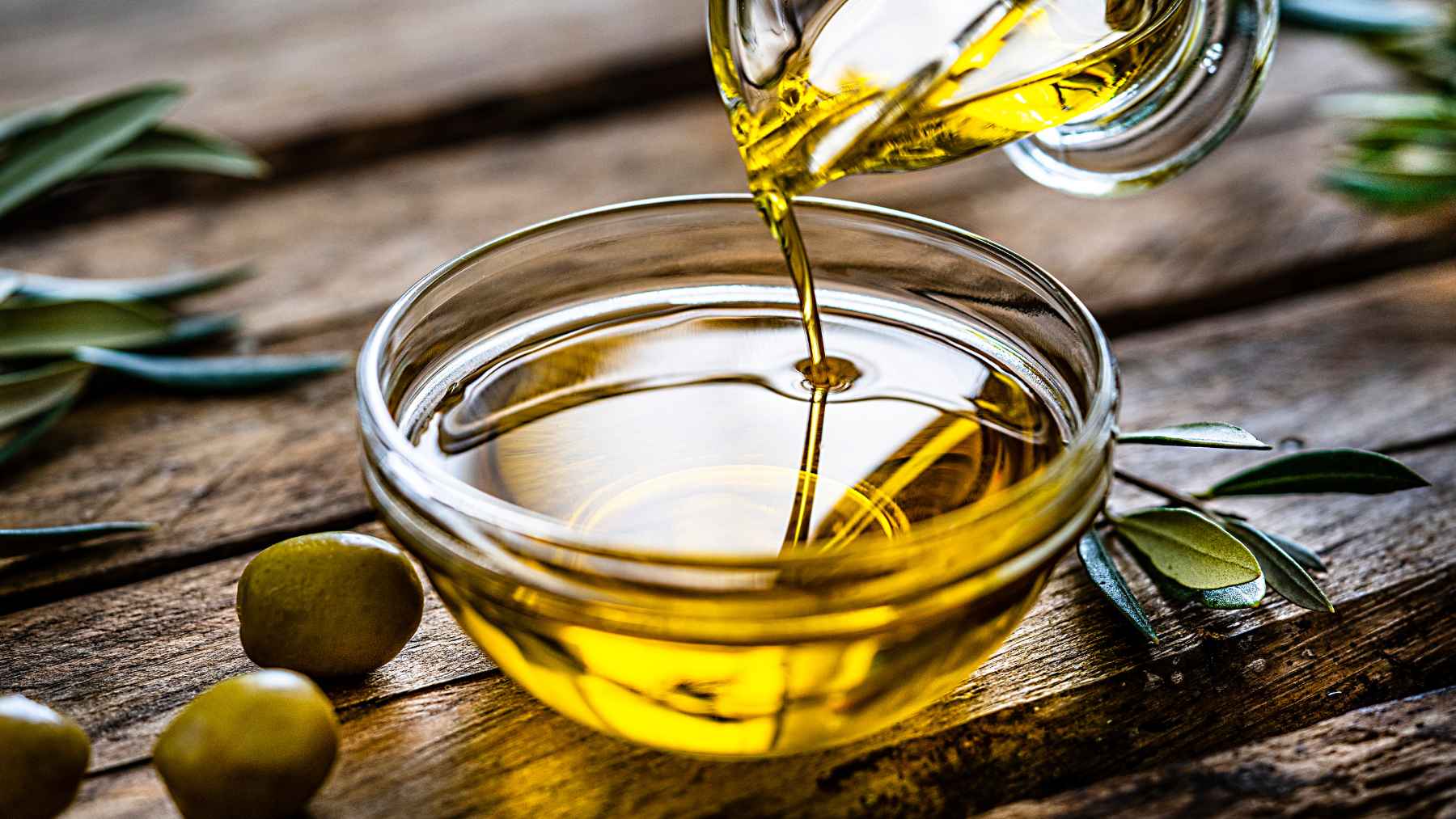
All olives from the farm go into extra virgin olive oil made at its own processing plant. There is no table olive business here, just oil, with average extraction near 20% and higher peaks when Arbequina olives mature well.
More than olives
The broader farm began with poplar forestry in 2006, then added pastures and cattle. It now includes about 321 acres of trees, about 222 acres of pastures, and livestock work that once handled up to 1,200 animals per year.
Newer bets include about 40 acres of vineyards planted with Malbec, Pinot Noir, Chardonnay, and Cabernet Franc. A boutique winery is planned, while pistachios have joined the list as a longer-term crop.
At the end of the day, the project is not only about olive oil. It is about a part of Patagonia proving that, even beside oil wells and under harsh weather, it can produce food with enough quality to compete far from home.
The main source report has been published by Río Negro Rural.