
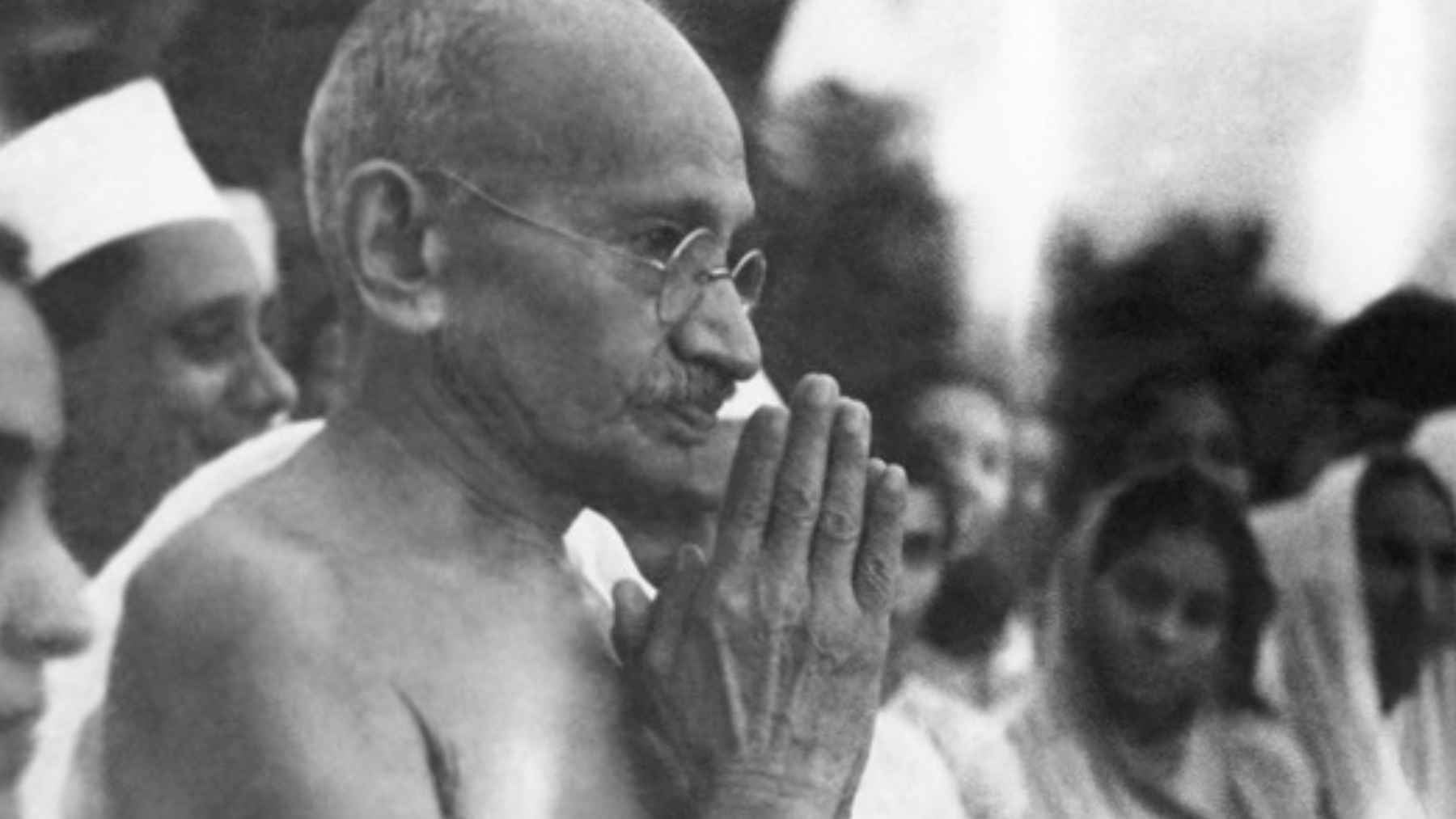
Mahatma Gandhi’s best-known line on forgiveness still cuts through the noise because it does not treat mercy as weakness. “The weak can never forgive. Forgiveness is the attribute of the strong,” the Indian pacifist and thinker said in a line recorded as appearing in Young India on April 2, 1931.
That idea feels personal before it feels political. Who has not replayed an insult, a betrayal, or a painful argument long after everyone else seemed to move on? Forgiveness can sound simple from the outside, but inside the person who was hurt, it can feel like lifting something heavy with shaking hands.
Why Gandhi linked forgiveness to strength
For Gandhi, forgiveness was not a polite gesture or a way to pretend nothing happened. It was a test of inner power, because forgiving meant choosing not to let anger decide what came next.
That matters because resentment often feels like control. It gives the wounded person a story, a shield, and sometimes a reason to stay on guard. But Gandhi’s point was sharper: holding on to revenge may look strong, yet it can leave the injured person tied to the very harm they want to escape.
What forgiveness really means
The Real Academia Española gives a plain definition of forgiving. It describes the act as releasing a debt, offense, fault, crime, or other matter, which in everyday language means letting go of the demand that pain must always be paid back.
The American Psychological Association describes forgiveness as a deliberate move away from resentment toward someone who has caused harm. That does not mean the wound was imaginary. It means the injured person is trying, step by step, to loosen the grip of anger.
Forgiveness is not an excuse
This is where the word can get misunderstood. Forgiveness is not the same as saying the damage was acceptable. It also does not require a person to forget, reconcile, or return to an unsafe relationship.
The Mayo Clinic makes that distinction clear and notes that forgiveness can help people move forward without erasing responsibility for the harm done. Its guidance also lists possible benefits, including less stress and hostility, fewer symptoms of depression, lower blood pressure, and healthier relationships.
Why grudges are hard to drop
A grudge can become familiar. It sits in the mind like an old object on a shelf, collecting dust but never quite disappearing. Some people hold it because they fear that letting go will make them look weak, foolish, or too trusting.
There is also a basic human need for fairness. When someone harms us and never apologizes, the mind keeps searching for a balance that may never come. That is why forgiveness can feel less like a warm feeling and more like a difficult decision made before the heart fully catches up.
What modern research adds
Modern psychology gives Gandhi’s old insight a new frame. Research does not prove that forgiveness is easy, and it does not say everyone must forgive on command. But it does suggest that, for many people, letting go of bitter anger is tied to better emotional health.
A recent study led by researchers from Harvard T.H. Chan School of Public Health and the Human Flourishing Program followed more than 207,000 participants across 23 countries.
According to the report, 75% of participants said they often or always forgave those who hurt them, and people who forgave more often tended to report higher well-being one year later, especially in mental health, purpose, relationship satisfaction, and hope.
The health connection
The research picture is promising, but it is not perfectly simple. A 2026 paper in npj Mental Health Research notes that the link between forgiveness and psychological well-being is stronger and more consistent than the evidence for physical health, where more rigorous studies are still needed.
That nuance matters. Experts can point to patterns, but no study can tell a wounded person exactly when they should be ready. Some wounds are deep, and some people need time, distance, therapy, or justice before the word even feels safe.
From private hurt to public peace
Gandhi saw forgiveness as more than a private habit. He believed cycles of hatred could keep whole communities trapped, with one injury becoming the excuse for the next. That is why his view of forgiveness belonged alongside nonviolence, not apart from it.
In that sense, forgiveness is not passive. It can be a way to interrupt the chain reaction of harm. At home, that might mean refusing to turn one cruel comment into a week of cold silence. In public life, it can mean choosing repair over revenge when the easier road is to escalate.
A hard skill, not a soft slogan
The line still resonates because it does not flatter anyone. Gandhi was not saying forgiveness comes naturally to the hurt person, he was saying it takes strength to give pain less power over the future.
That strength may begin quietly. A person stops rehearsing the same argument. They stop measuring every day by one old wound. The harm may remain part of the story, but it no longer gets to write every chapter.
The main work has been published in Young India.