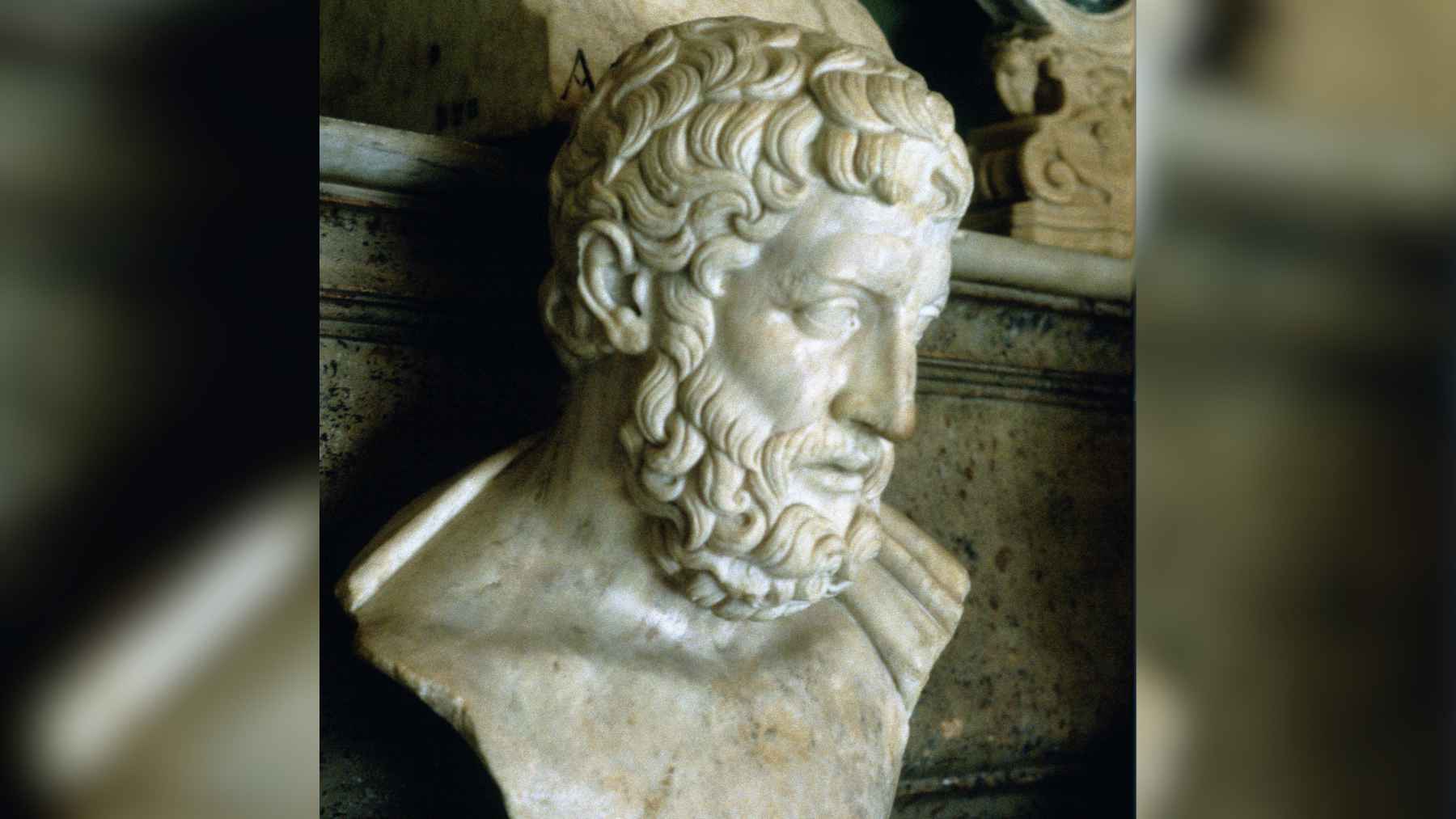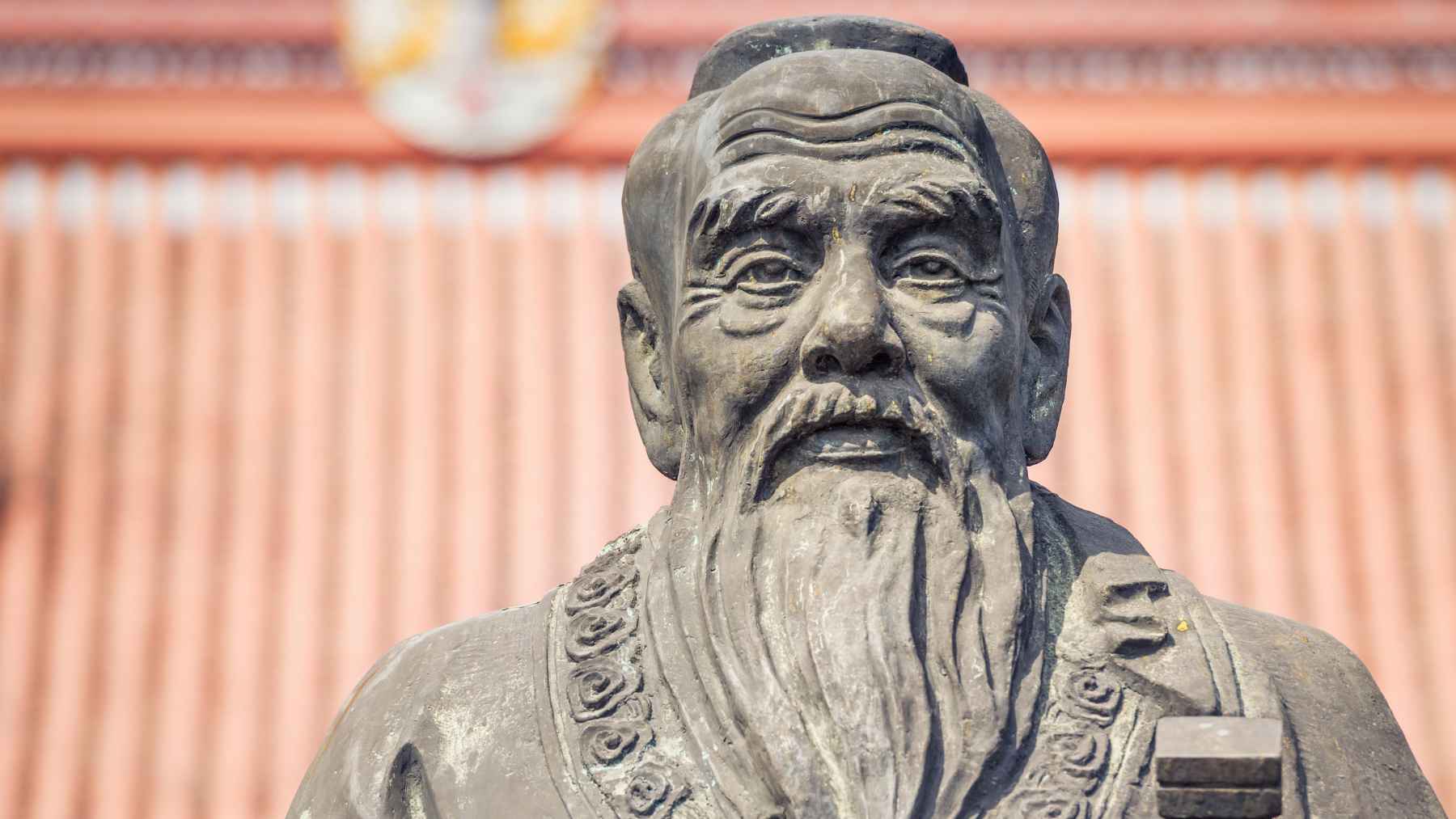
A famous line often attributed to Socrates says, “He who is not content with what he has would not be content with what he would like to have.” It sounds simple–almost too simple. Yet it lands hard in a culture where the next upgrade, raise, trip, or purchase can feel like the missing piece.
The point is not that ambition is bad. The sharper idea is that dissatisfaction can follow us from one goal to the next, like a backpack we forget we are carrying. What happens after the new phone, bigger paycheck, or better apartment stops feeling new?
A quote with a warning label
The exact wording of the quote is best treated with care, because Socrates left no books of his own. The Stanford Encyclopedia of Philosophy describes him as a thinker whose life and ideas come to us through secondhand sources, and whose trial and death in Athens in 399 BCE became central to Western philosophy.
That does not make the message meaningless. It means the safer way to read it is as a Socratic idea, not as a courtroom transcript from ancient Athens. In practical terms, the quote asks whether the problem is really what we lack, or the habit of always needing one more thing.
What contentment means
Contentment is not the same as pretending everything is fine. It means being able to recognize ‘enough’, even while life remains imperfect. That is a difficult skill when daily life keeps telling us that enough is always one purchase away.
In Xenophon’s Memorabilia, Socrates is shown pushing back against the belief that happiness comes from luxury and extravagance. He tells Antiphon that wanting nothing is closest to the divine, while wanting as little as possible comes next.
The trap of the next thing
The old warning feels current because modern life is built around desire. Ads, social feeds, and shopping apps do not just sell products, they sell the feeling that a better version of life is waiting on the other side of checkout.
That is why the quote still bites. If someone believes happiness begins only after the next milestone, the finish line keeps moving. Get the job, and there is a better title; buy the couch, and the room still needs a lamp.
Modern data adds weight
The concern is not just philosophical. The Federal Reserve Bank of New York reported that U.S. household debt reached $18.8 trillion in the first quarter of 2026, a reminder that the search for comfort often comes with very real bills attached.
At the same time, the 2026 World Happiness Report says young people in North America and Western Europe are much less happy than 15 years ago. The report is published by the Wellbeing Research Centre at the University of Oxford with Gallup and the UN Sustainable Development Solutions Network.
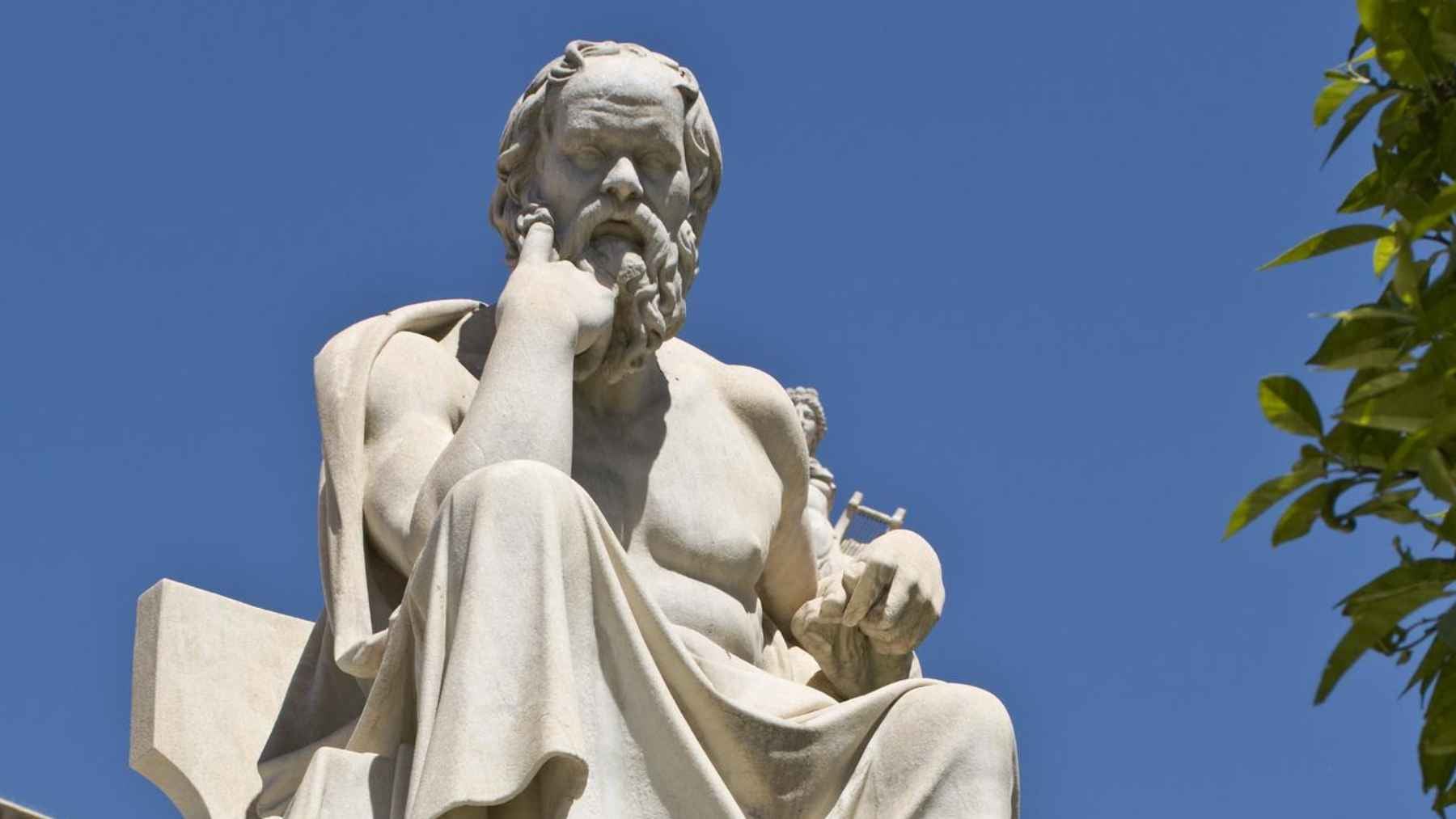
A marble statue of Socrates, whose philosophy encourages people to find contentment in what they already have instead of endlessly pursuing more.
Money helps, but not always
This is where nuance matters. Money can reduce stress when it pays rent, covers food, or keeps the lights on. Anyone who has worried about the electric bill knows that “needing less” sounds different when basic needs are not secure.
Research reported by the University of Pennsylvania, involving Matthew Killingsworth, Daniel Kahneman, and Barbara Mellers, found that higher income is linked with greater happiness for many people, but the pattern is more complicated for people who are already financially comfortable, yet unhappy. Money can help, but it is not a magic switch for peace of mind.
The Socratic method still matters
Socrates was famous for questions, not neat slogans. The Internet Encyclopedia of Philosophy describes the Socratic method as question and answer, and notes that much of what we know about him comes through Plato and other ancient writers.
Applied to desire, that method becomes surprisingly practical. Why do I want this? What do I think it will fix? Will it solve a real problem, or am I asking an object to do emotional work it cannot do?
Contentment without giving up
There is a common misunderstanding here. Contentment does not mean staying stuck, ignoring injustice, or refusing to improve your life. It means not handing your inner peace to a future version of yourself who may never feel satisfied either.
That distinction matters for anyone trying to build a better life. You can study harder, save money, switch careers, or leave a bad situation while still noticing what is already solid under your feet. Small things count, too: a quiet room, a loyal friend, a walk that clears your head.
Ancient advice for restless days
Socrates’ message still feels useful because it shifts the question. Instead of asking, “What else do I need before I can be content?” it asks, “What would change if I learned to see ‘enough’ more clearly?”
That question is not soft. It challenges the part of us that treats life like a cart that never reaches checkout. At the end of the day, the ancient lesson is not to want nothing at all, but to stop confusing every new desire with a promise of happiness.
The main historical source behind this article has been published in modern translation as Xenophon’s Memorabilia.