
Why is it so easy to point a finger when something goes wrong? A line collected in Leo Tolstoy’s A Calendar of Wisdom offers a demanding answer. “If you make it a habit not to blame others, you will feel the growth of the ability to love in your soul,” the Russian writer wrote.
The message is not that harmful behavior should be ignored. It draws a distinction between accountability, which tries to repair damage, and blame, which often searches for someone to punish. That difference can change a family argument, a workplace dispute, or even a furious exchange online.
Why blame can shrink compassion
Blame can feel satisfying because it gives confusion a simple target. However, once a person becomes that target, curiosity tends to disappear, and the conflict turns into a contest over who is right.
The pattern is familiar. A missed deadline becomes proof that a coworker is careless, while a strained relationship becomes a list of the other person’s failures. Resentment soon occupies the space where understanding might have grown.
Tolstoy’s words ask a harder question. Instead of “Who caused this?” they encourage us to ask, “What is the wisest response available to me now?” That shift does not erase another person’s responsibility, but it restores control over our own conduct.
Accountability is not punishment
Accountability names the problem, recognizes its effects, and looks for a way forward. Blame often stops at accusation. One approach can rebuild trust, while the other leaves people defensive and less willing to change.
Effectively, a manager can address a serious mistake without humiliating an employee. A parent can set a firm boundary without turning one bad decision into a judgment about a child’s character. The facts still matter, but so does the way they are handled.
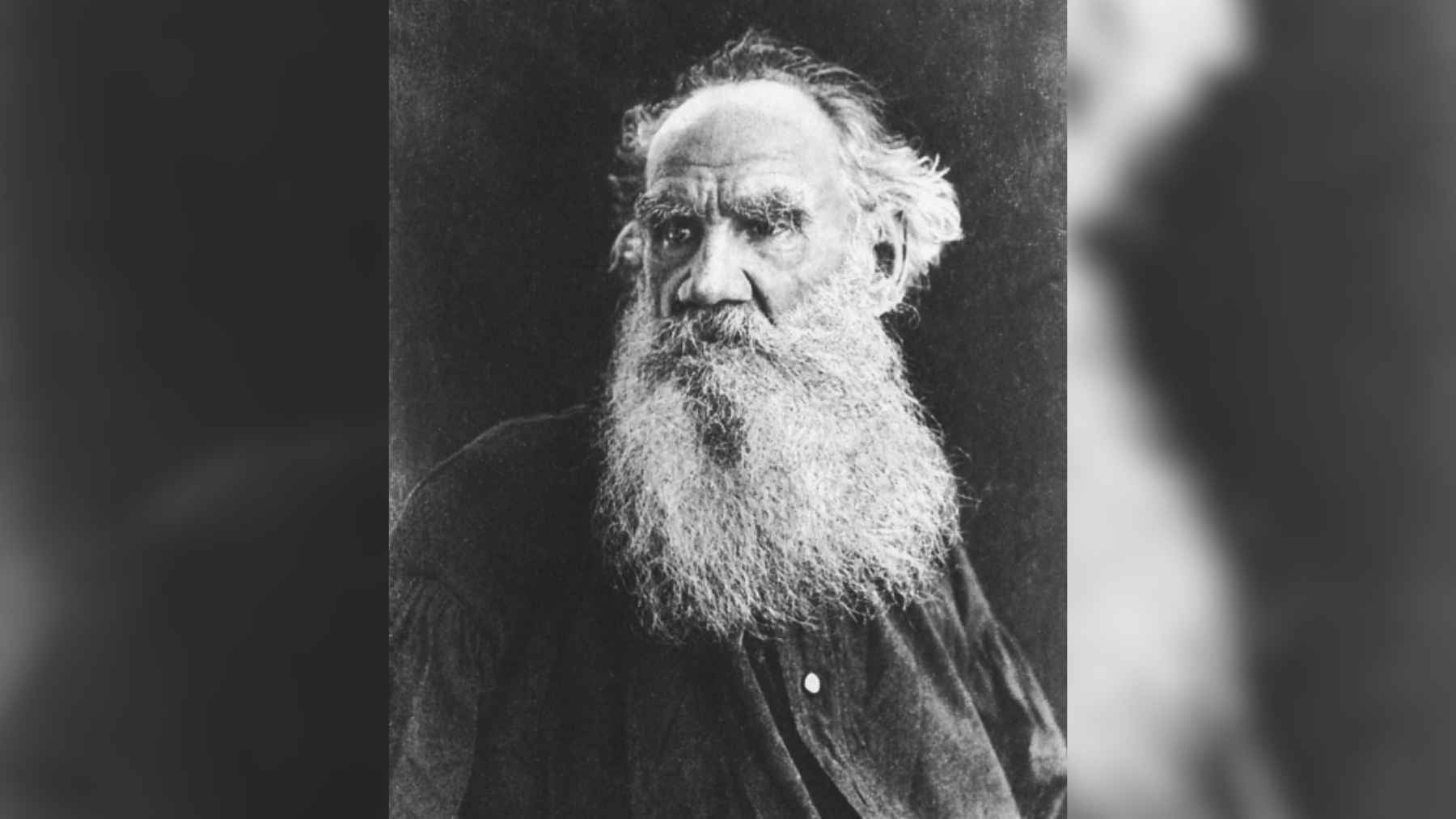
This is the subtle strength of the quote. It does not ask people to become passive. It asks them to replace condemnation with a response that is clear, fair, and as compassionate as the situation allows.
The life behind the words
Tolstoy was born in 1828 at Yasnaya Polyana, the family estate where he spent much of his life. His mother died before he turned two, and his father died when he was nine. Two aunts later served as guardians for him and his siblings.
After years marked by gambling, debt, and uncertainty, he joined the Russian army in the early 1850s. Service in the Caucasus and the Crimean War exposed him to the suffering of combat, which he transformed into the Sevastopol Sketches. Those stories rejected a tidy, heroic picture of war.
War and Peace and Anna Karenina later made him a central figure in world literature. Both books look beyond reputations and social labels to the contradictions inside ordinary people. His characters fail, love, deceive, forgive, and search for meaning.
A spiritual turn changed his work
Fame did not settle Tolstoy’s deepest questions. In middle age, he entered a spiritual crisis and began examining death, wealth, faith, and the purpose of life. He increasingly favored simplicity, forgiveness, nonviolence, and an ethical faith shown through daily behavior.
Those ideas appeared in The Kingdom of God Is Within You and in the reflections gathered in A Calendar of Wisdom. The passage about blame appears in the June 14 reading, beside thoughts about judging oneself more strictly and treating others more kindly.
For Tolstoy, society could not improve through laws alone. Lasting change also depended on people learning to govern anger, vanity, fear, and the desire for revenge. That became the compass behind much of his later writing.

An idea that traveled far
Tolstoy’s moral arguments reached beyond literature. His writings on love and nonviolent resistance influenced Mahatma Gandhi, and the two exchanged letters near the end of the novelist’s life. Their connection helped carry these ideas into a political movement against colonial rule.
Gandhi’s approach later became a crucial influence on Martin Luther King Jr. and the American civil rights movement. This was not a simple copy from one thinker to another, but a continuing conversation about confronting injustice without reproducing its violence.
That history gives the quote a wider meaning. Refusing habitual blame is not merely a way to feel calmer. To a large extent, it is training in the patience and self-command needed to resist harm without being consumed by hatred.
How to use the quote today
The first step is a pause. When anger rises, ask what part of the situation belongs to you, what needs to be corrected, and what response is most likely to improve the outcome.
This works in small places first. It may mean listening before replying to a partner, checking facts before attacking someone online, or admitting your contribution to a problem at work. None of that guarantees agreement, yet it can stop a disagreement from becoming a lasting wound.
Compassion should not be confused with surrender. Serious wrongdoing may require consequences, distance, or formal action, but those steps can be taken without turning punishment into a source of satisfaction. That is the difficult habit Tolstoy placed at the center of a kinder life.
The quotation discussed in this article appears in Leo Tolstoy’s A Calendar of Wisdom, published in English by Simon & Schuster.