Most people have tried it at least once, telling a friend that it bothers you when they arrive late or asking someone to warn you before changing plans. Then it happens again. So what now?
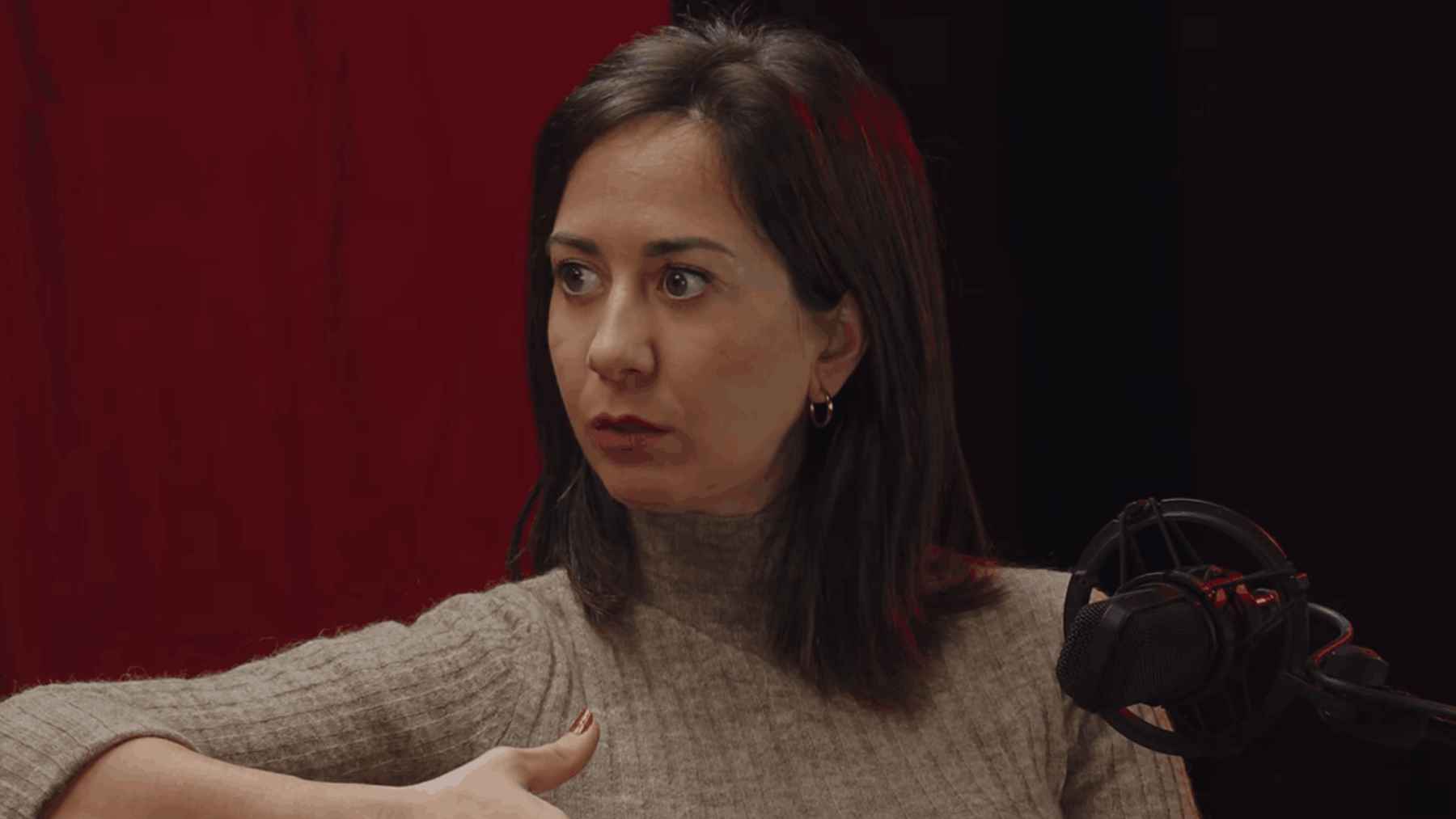
That is the point Alba Cardalda raised during her appearance on the podcast “VERDADES (in)CÓMODAS,” where, translated from Spanish, her warning was clear.
“If you set a boundary and it is not respected, but there is no consequence, it is not a boundary.” The idea cuts through a common misunderstanding about personal limits.
The common mistake
For many people, setting limits sounds like making a request. You say what bothers you, explain why it matters, and hope the other person will adjust. Sometimes that works, and sometimes it does not.
Cardalda’s example is familiar enough to feel almost ordinary. A friend keeps arriving late, even after being told that it is frustrating. The issue is not only the late arrival anymore, but what you do after the same pattern repeats.
Boundaries start from you
Cardalda’s key idea isn’t that other people must behave exactly how you want them to. In healthy, horizontal relationships, no one can force another adult to act a certain way. That is where the focus shifts from control to responsibility.
Her wider work centers on applied psychology, internal dialogue, communication, and decision-making in demanding contexts. In practical terms, that means turning emotional ideas into clear tools people can use at home, at work, and in awkward everyday conversations.
Drawing the line
The word “consequence” can sound harsh, as if someone is threatening or punishing another person. But in this context, it means the action you take to protect your time, peace, or safety when a limit is crossed. It is not revenge, but follow-through.
That could look simple. If a friend is always late, you might stop waiting after 20 minutes, and if a coworker calls after hours, you might let the phone ring and answer in the morning. Cleveland Clinic guidance on healthy boundaries also points to consequences and follow-through as part of making a boundary work.
Assertive does not mean aggressive
This matters because people often confuse boundaries with conflict. A boundary can be firm without being cruel. It can sound like, “I want to see you, but if the plan changes at the last minute again, I will make other plans.”
Mayo Clinic describes assertiveness as a core communication skill that helps people express themselves and stand up for their point of view while still respecting the rights and beliefs of others. That is close to the balance Cardalda is pointing toward. Clear does not have to mean cold.
Why this hits home
The advice lands because boundaries often fail in ordinary places. Think of a family dinner where one person keeps making hurtful jokes, a group chat that never stops buzzing, or a partner who hears “I need space” but keeps pushing for an answer right now. These are not abstract problems.
At first, people usually try words. They explain, soften, repeat, and sometimes apologize for even having the need. But if nothing changes after that, the situation becomes less about saying the perfect sentence and more about choosing the next step.
A note about unsafe relationships
There is also a serious caveat. In relationships marked by fear, isolation, threats, or control, “just setting a boundary” can be over-simplistic and even unsafe. Not every difficult relationship is just a communication problem.
The National Network to End Domestic Violence says abuse is about power and control and lists refusing to honor boundaries as a possible warning sign. In those cases, trusted support, a safety plan, or professional help may matter more than another difficult conversation.
What readers can take from it
The practical lesson is modest but uncomfortable. Maintaining boundaries isn’t a speech you deliver once, after the line has been crossed. It is when you choose the line and make sure your own behaviour is in keeping with that line.
At the end of the day, Cardalda’s idea points to responsibility rather than blame. You cannot write another person’s script, but you can decide whether to stay in the same scene. That is where a boundary becomes real.
The official interview episode has been published by “VERDADES (in)CÓMODAS,” the podcast directed and presented by Mireia Chaos.