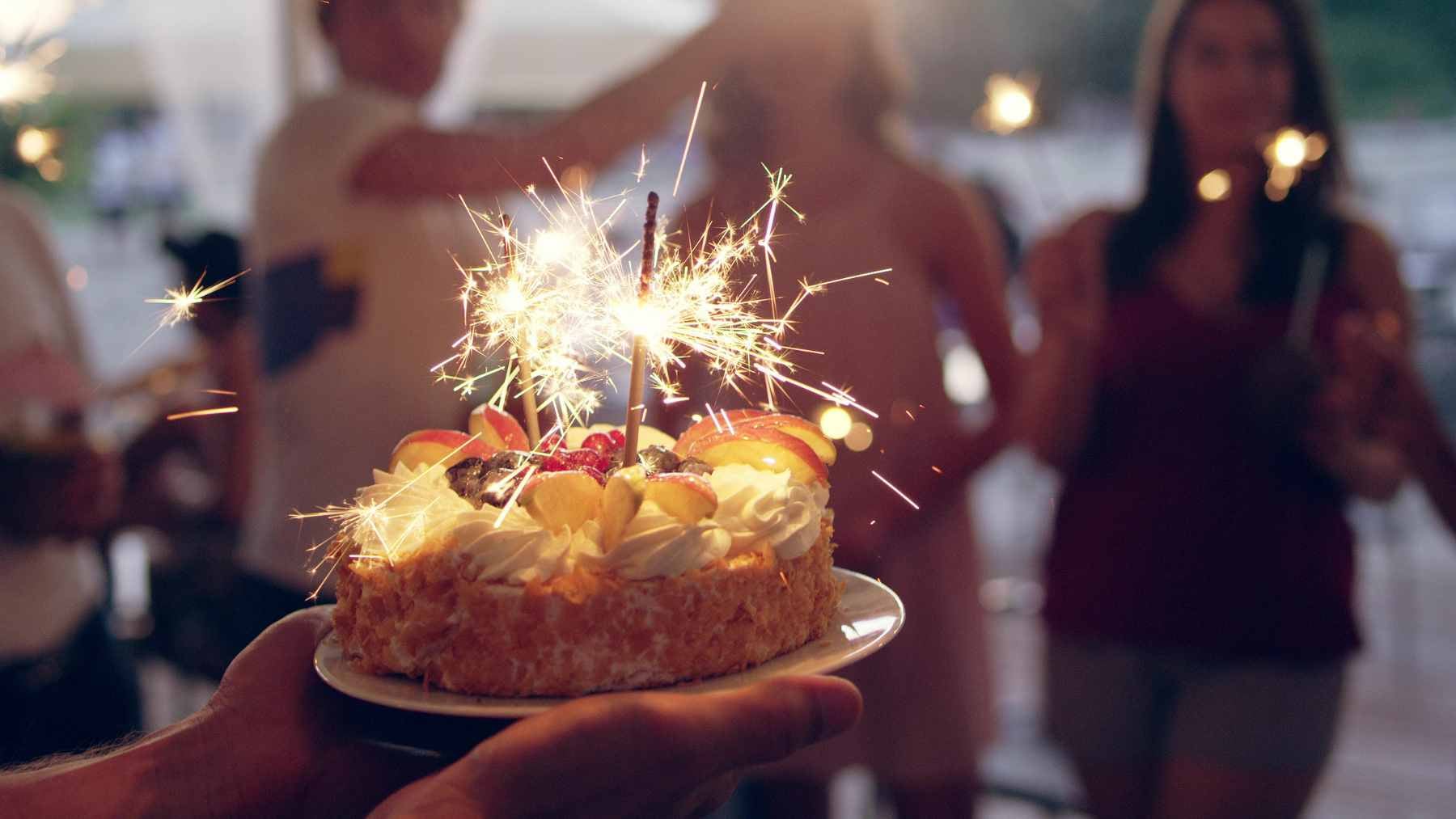
Birthdays are supposed to be simple. Cake, texts, photos, maybe dinner. Yet for many adults, the day can feel like a small social audit, with every message, call, and public post treated as evidence of how much they matter.
Psychology suggests that not caring much about your birthday does not automatically point to low self-esteem. Often, the more useful question is not whether someone celebrates, but whether they need the celebration to feel valuable.
Birthday pressure is real
In many families and friend groups, celebration is treated as proof of love. Skip the party and people may wonder whether you are sad, distant, or secretly hurt.
That reaction says as much about culture as it does about the person. Birthdays have become social performances, especially online, where a quiet day can look suspicious even when the person is perfectly content.
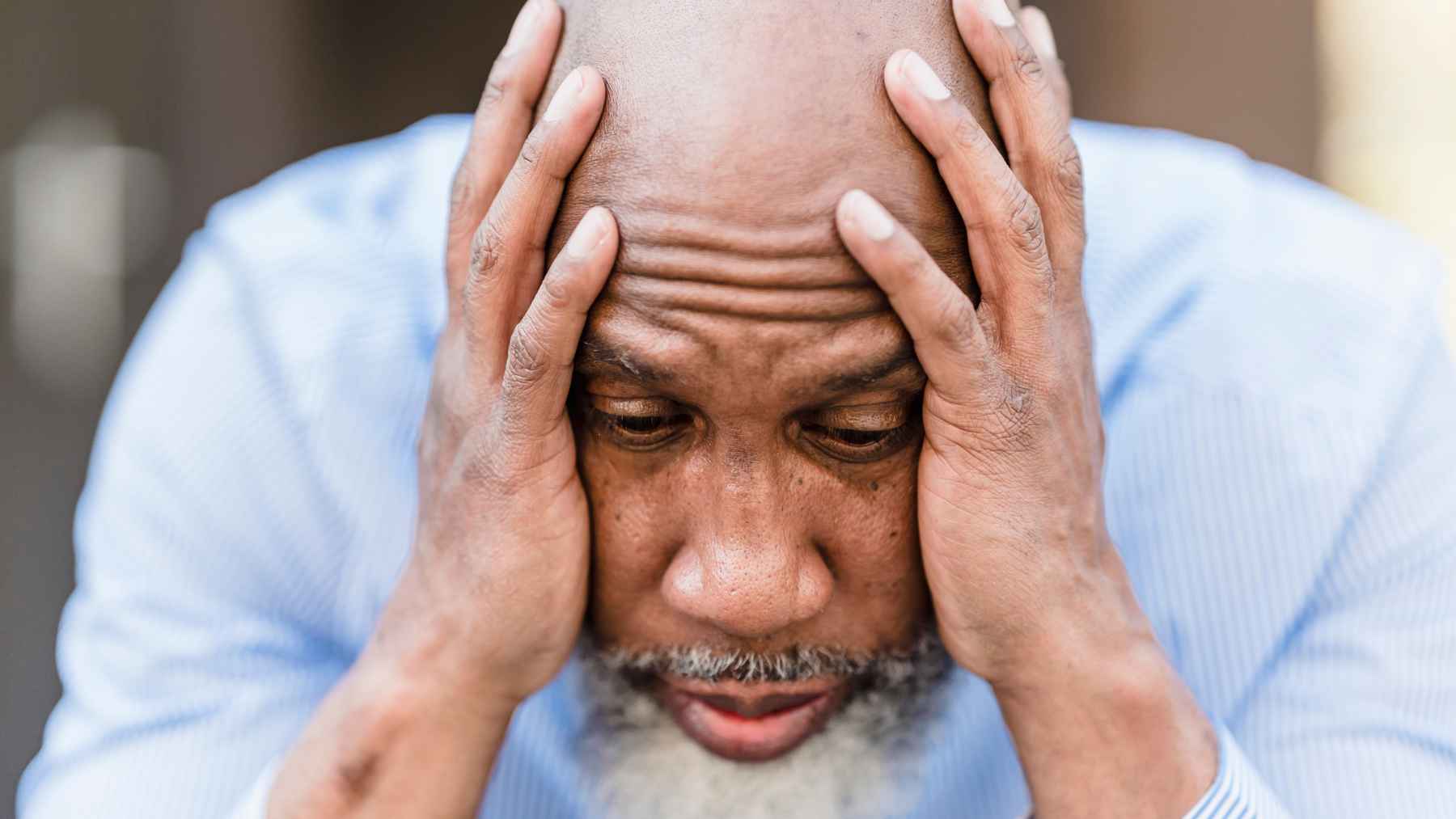
Still, there is nuance here. Some people feel low, anxious, or uninterested around birthdays, and mental health guidance often describes this as the “birthday blues,” even though it is not a formal diagnosis.
Self-worth is the key
Self-worth means the basic sense that you are valuable as a person. When that sense depends too much on outside approval, every missed text or forgotten post can feel bigger than it really is.
Jennifer Crocker and Connie Wolfe at the University of Michigan called this pattern “contingencies of self-worth.” Their work argues that self-esteem often rises and falls in areas where people have staked their value, which helps explain why one birthday can feel like a verdict.
That does not mean high self-esteem is always the answer. A later review involving Lora Park argued that the way people chase self-esteem can matter more than whether they score high or low on it.
Likes made it louder
Social media has turned attention into a number. A birthday post can collect hearts, comments, and shares, and that can make the day feel measurable in a way it never used to be.
A study led by Hae Yeon Lee with researchers from the University of Texas at Austin found that teenagers who received fewer likes in an experimental social media task felt more rejected and reported more negative thoughts about themselves.
That does not prove adult birthdays work the same way, but it shows why public feedback can feel emotionally loaded.
This is where birthday anxiety can sneak in. It is not always about aging. Sometimes it is about waiting to see who remembers, who posts, and who appears to care.
Quiet can be confidence
For some people, the best birthday is a normal day. Reading, yoga, a walk, takeout, or an early night can feel better than a crowded room and a camera pointed at a cake.
That kind of choice fits with self-determination theory, associated with Edward Deci and Richard Ryan and summarized by the American Psychological Association.
The theory says people tend to thrive when they experience autonomy, competence, and relatedness, which means choice, capability, and real connection.
Autonomy is the key word here. A quiet birthday is not a rejection of love when it comes from genuine preference. It can be a person saying, calmly, “I know what I need today.”
The important difference
Not wanting a party is not automatically maturity. A person may avoid a birthday because they feel secure, but they may also avoid it because the day hurts.
The difference is emotional tone. If skipping the celebration feels peaceful, steady, and free, that points in one direction. If it feels lonely, ashamed, or undeserving, it may be worth talking to someone trusted.
This also protects people who love birthdays. Enjoying attention, gifts, and a room full of friends is not shallow. The question is whether celebration is a joy or a requirement.
A birthday can still matter
A birthday can be useful even without balloons. It can work as a checkpoint, a place to notice what has changed and what still needs care.
Hengchen Dai, Katherine Milkman, and Jason Riis at Wharton described birthdays as one kind of “temporal landmark,” a moment that can help people see a fresh start. Their research found that these landmarks can increase goal setting and self-improvement efforts throughout the year.
So the healthiest birthday may not be the loudest one. It may be the one that matches the person living it.
The main psychological work discussed here has been published in Psychological Review.