The empty nest gets most of the attention. Parents are warned about the quiet house, the untouched bedroom, and the first dinner where nobody asks what is for dessert.
But another kind of grief often arrives much later, and it can feel harder to name. Many aging parents remain deeply loved by their adult children, but they slowly realize they are no longer the first call, the trusted problem-solver, or the person someone urgently needs in the middle of an ordinary Tuesday.
The harder empty nest
“Empty nest syndrome” is usually used to describe the distress some parents feel when children leave home, though Psychology Today notes it is not a clinical diagnosis. It can bring sadness, loneliness, and a loss of routine, especially for parents whose daily lives were built around caregiving.
For many families, that stage softens with time. The house gets quieter, yes, but new habits form. Parents rediscover sleep, hobbies, friendships, and sometimes a marriage that had been running in the background for years.
The later shift is different. The child still calls, still sends photos, still says “I love you,” but the emotional center has moved elsewhere. A partner, a friend, a therapist, or a coworker may now be the first person they turn to when life gets messy.
What parents miss
What hurts is not always the loss of chores. Few parents truly miss the frantic school mornings, the lost permission slips, or the late-night laundry before a game.
What many miss is being useful in a way that felt built into daily life. For decades, they were needed without having to ask. Their advice mattered, their presence solved things, and their attention could calm a child who had no other plan.
Then adulthood does what it is supposed to do. Children build their own homes, make their own mistakes, and create their own support systems. That is healthy, but it can still leave a parent wondering, quietly, “Where do I fit now?”
The psychology behind it
Psychologists often describe this need to guide and contribute to younger generations as “generativity.” Erik Erikson introduced the idea as part of adult development, and later research has continued to connect it with meaning, purpose, and well-being in later life.
A 2026 study of 200 community-dwelling older adults found that generativity was positively associated with both intergenerational relationship quality and attitudes toward life. The researchers also found that stronger intergenerational relationships partly helped explain the link between generativity and more positive life attitudes.
That matters because the question is not simply whether adult children love their parents. In practical terms, it is whether older adults still feel that their experience, care, and hard-earned wisdom have somewhere useful to go.
Love is not the same as need
This is where many families get stuck. An aging parent may not want to interfere, but still feel the sting when advice is politely heard and then ignored.
Adult children, on the other hand, may believe they are doing exactly what their parents raised them to do. They are paying bills, managing relationships, making medical decisions, and getting through traffic jams and work emails without needing someone to rescue them.
Both things can be true. Independence can be a sign of successful parenting, and it can still feel like a quiet demotion to the person who spent half a lifetime being essential.
Why it affects health
This kind of grief is not just sentimental. Social connection is tied to health, especially as people age.
The CDC says loneliness and social isolation can raise the risk of serious physical and mental health problems, including heart disease, stroke, type 2 diabetes, depression, anxiety, dementia, and earlier death. The agency also reports that about 1 in 3 U.S. adults say they feel lonely, while about 1 in 4 say they lack social and emotional support.
The National Academies has also described social isolation and loneliness among older adults as serious but underappreciated public health risks. Its 2020 report estimated that about one-quarter of community-dwelling Americans age 65 and older are socially isolated.
A better way forward
The answer is usually not to ask adult children to need their parents more. That can backfire, creating guilt on one side and resentment on the other.
A healthier approach is to widen the places where usefulness can live. Mentoring a younger coworker, volunteering, teaching a skill, helping a neighbor, joining a community group, or staying involved with nieces, nephews, grandchildren, or former students can all give that caregiving instinct somewhere to land.
This does not replace children. It simply recognizes that the need to contribute does not retire when the parenting role changes shape. For the most part, it is still there, waiting for a new outlet.
What adult children can do
Adult children do not need to perform helplessness. They do not have to pretend they cannot handle life just to protect a parent’s feelings.
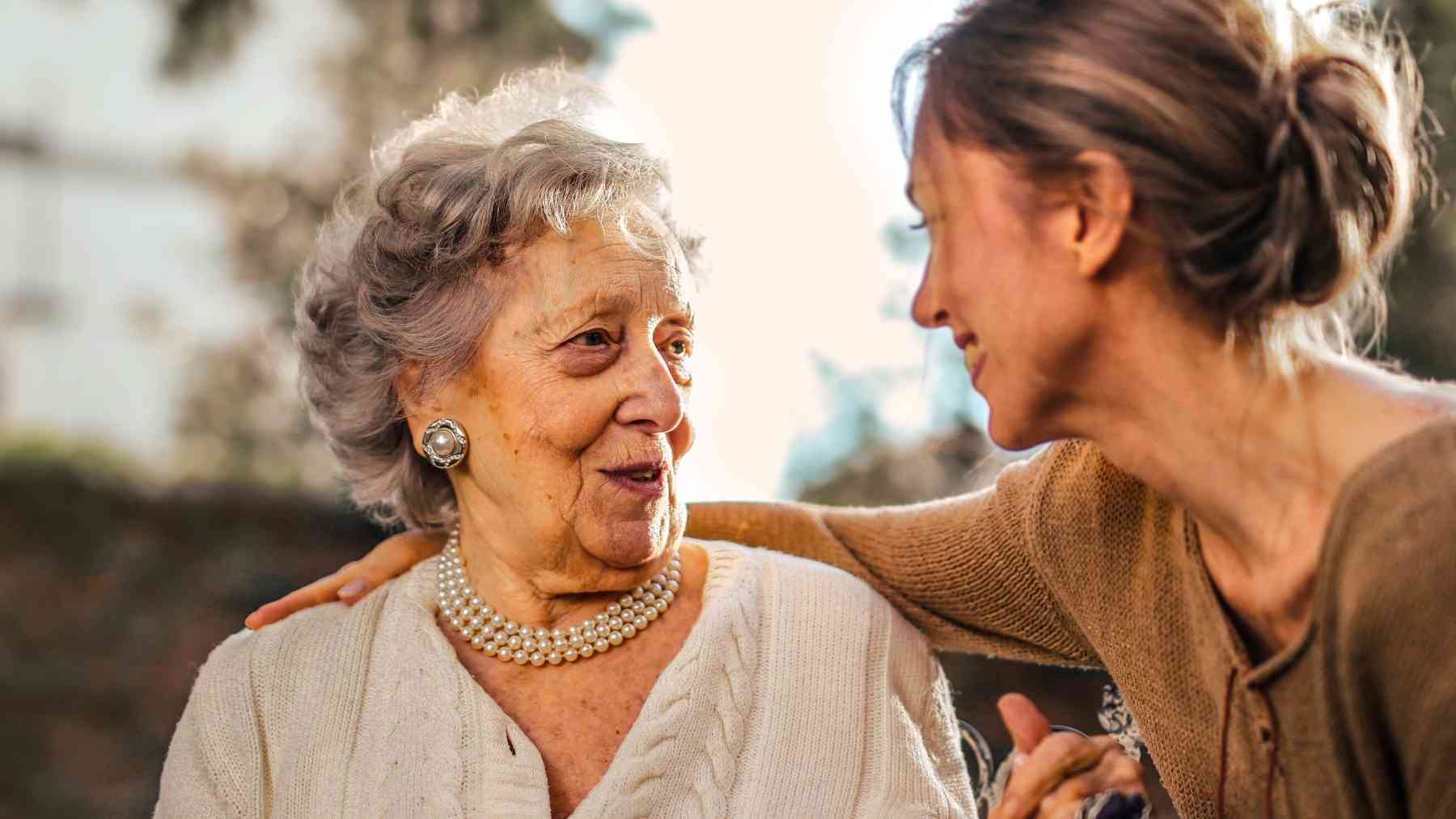
Small signals can still matter. Asking for a family recipe, inviting a parent’s opinion before a big decision, listening to a story without rushing, or saying “I learned this from you” can remind an aging parent that their role has changed, not disappeared.
That kind of respect is not a small thing. In the 2026 study, intergenerational relationship quality was strongly linked with positive life attitudes in older adults, suggesting that the bond itself can help purpose translate into better emotional aging.
The quiet reframe
The grief of being loved but rarely needed is not a failure of parenting. In many cases, it is the evidence that parenting worked.
Still, parents are people, not just launchpads for other people’s lives. They need purpose, recognition, and a place where their care continues to matter.
At the end of the day, the goal is not to pull adult children back into orbit. It is to help aging parents find new ways to shine, while letting love remain steady in the background.
The study was published on ScienceDirect.