Detecting genuine comfort or, on the contrary, fake interest, is rooted in subtle body language cues. Often, authentic ease emerges through the way individuals use their hands while conversing, revealing emotions and unconscious signals that disciplines such as nonverbal communication have long studied.
Here, we’ll explore the specific gesture that signifies ease and trust in interpersonal communication: showing the palm of your hands. We’ll also examine other common hand movements and consider how they might reflect a person’s psychological state or disposition. Let’s get to it.
The comfort gesture during conversations: open palms
An indicator that someone feels relaxed and sincere in your presence is their natural tendency to gesture with visible hands, often with palms directed upward or outward. Communication experts like Teresa Baró have observed that keeping the hands visible—especially around chest level—communicates openness and reinforces honest, unguarded expression.
Consider the scenario when hands are tucked into pockets, clasped tightly, or concealed behind the back. These behaviors typically signal reservation, unease, or even diminished trustworthiness. In contrast, visible hands are associated with transparency. When individuals feel secure, they refrain from hiding their hands, allowing them to move freely and express thoughts and emotions naturally.
Other hand gestures and their meanings
Hand movements enrich spoken words with additional layers of meaning. Although context remains crucial, here are some frequently observed gestures and their common interpretations:
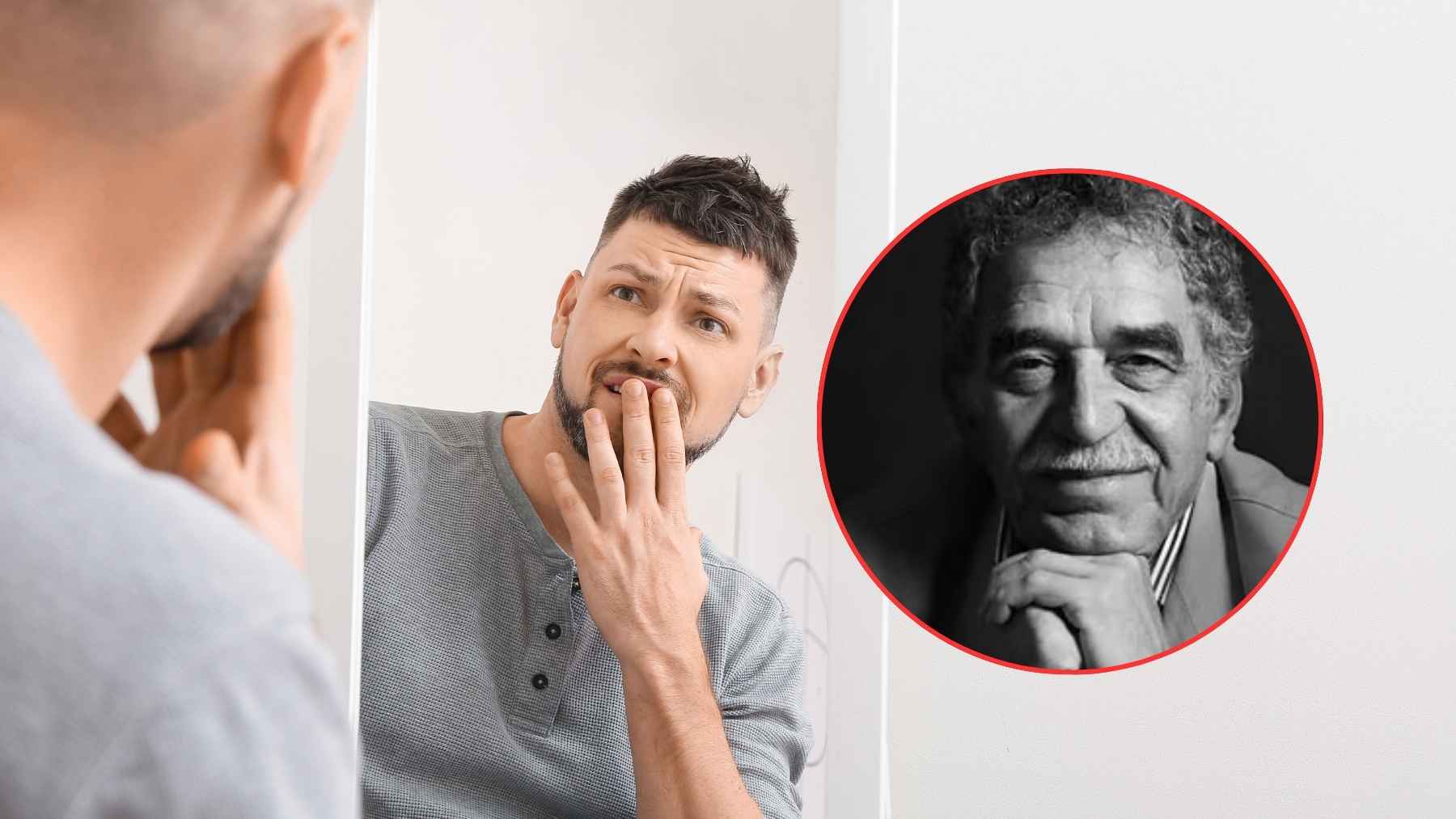
- Touching the face (eyes, nose, mouth, neck): This frequently signals doubt, uncertainty, or mild anxiety. It may also suggest that the person is withholding information, either consciously or unconsciously.
- Palms facing down: This gesture often exudes authority, firmness, or even a sense of dominance. It can imply that the speaker is confident in their stance and not inclined to yield easily.
- Hands behind the back: This posture is typically linked with self-assurance and confidence. It may also hint that the individual is in a state of readiness or control, projecting a calm authority.
- Agitated hand movements: When gestures become sharp or emphatic—such as forceful chops or vigorous waves—they usually underscore a point with decisiveness and indicate strong convictions. Such dynamic expressions are common in passionate discussions and assertive communication.
- Rubbing hands together: This motion often suggests nervousness or discomfort, serving as a self-soothing tactic. It reflects an attempt to manage unease or stress.
- Closed fist or pointing finger: These are generally perceived negatively. A clenched fist may imply hostility or frustration, while directly pointing at someone can be seen as aggressive or accusatory.
- Steepling fingertips: This one involves lightly pressing the tips of both hands together, forming a “steeple”, and it usually signals confidence, analytical thinking, and a sense of authority. It’s often used by those who feel in control.
Remember, no single gesture offers a definitive diagnosis of a person’s internal state. It’s essential to assess clusters of signals within the broader context of an interaction. But paying close attention to hand movements—especially the openness of hand gestures—provides valuable insight into how secure and authentic someone feels.