A common amino acid found in protein-rich foods and sold in focus and energy supplements is now raising a sharper question about healthy aging. The ingredient is tyrosine, a building block the body uses to make brain chemicals tied to alertness, motivation, stress, and mood.
A large genetic and health-data study suggests that men with naturally higher tyrosine levels may live a little less, on average, than men with lower levels.
The finding does not prove that taking tyrosine supplements shortens life, but it does suggest that “more” is not always better when it comes to nutrients marketed for mental performance.
Why tyrosine matters
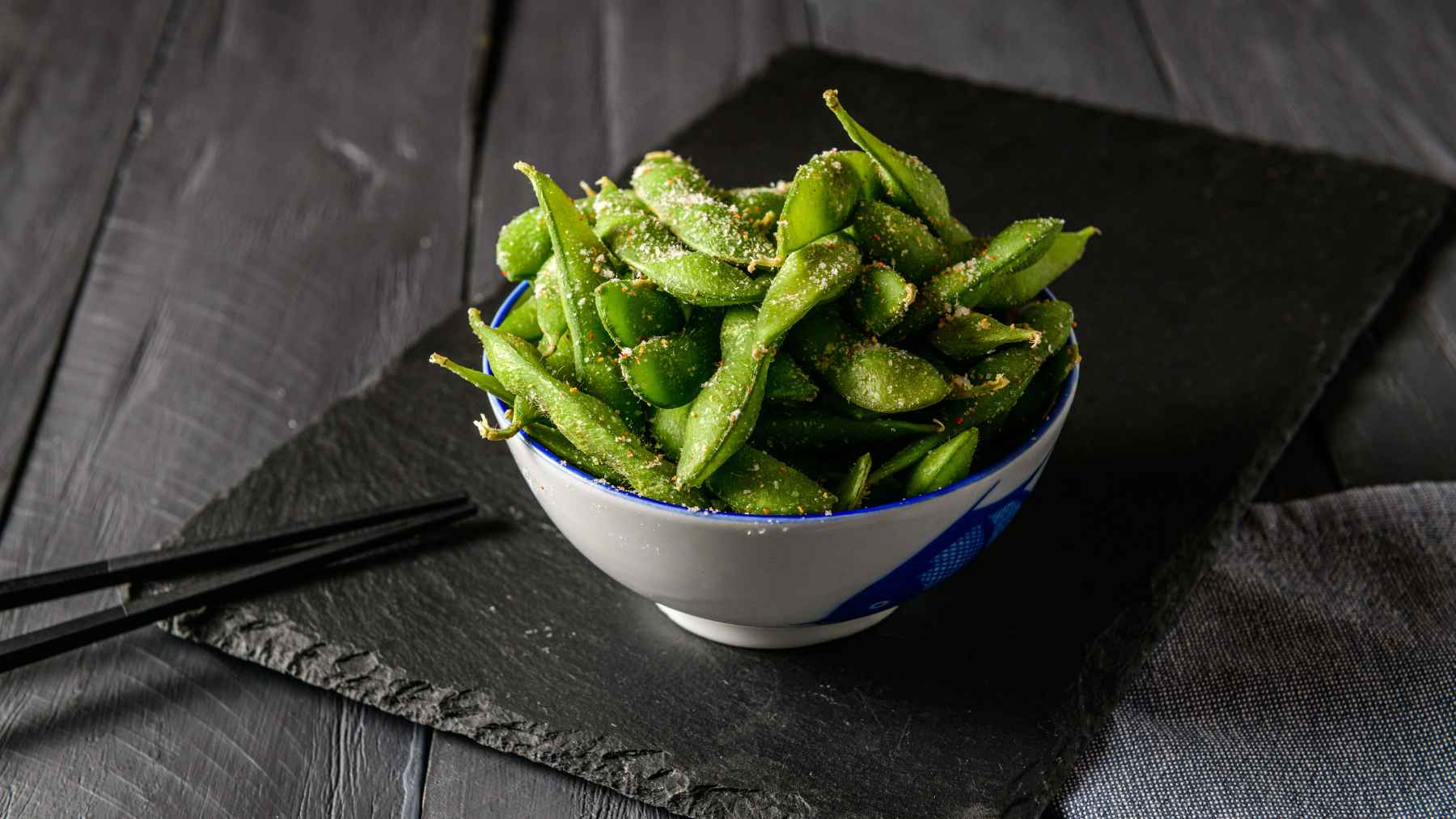
Tyrosine is an amino acid, one of the small parts that help make proteins. It is found naturally in foods such as meat, eggs, dairy products, beans, lentils, and soy, and the body can also make it from another amino acid called phenylalanine.
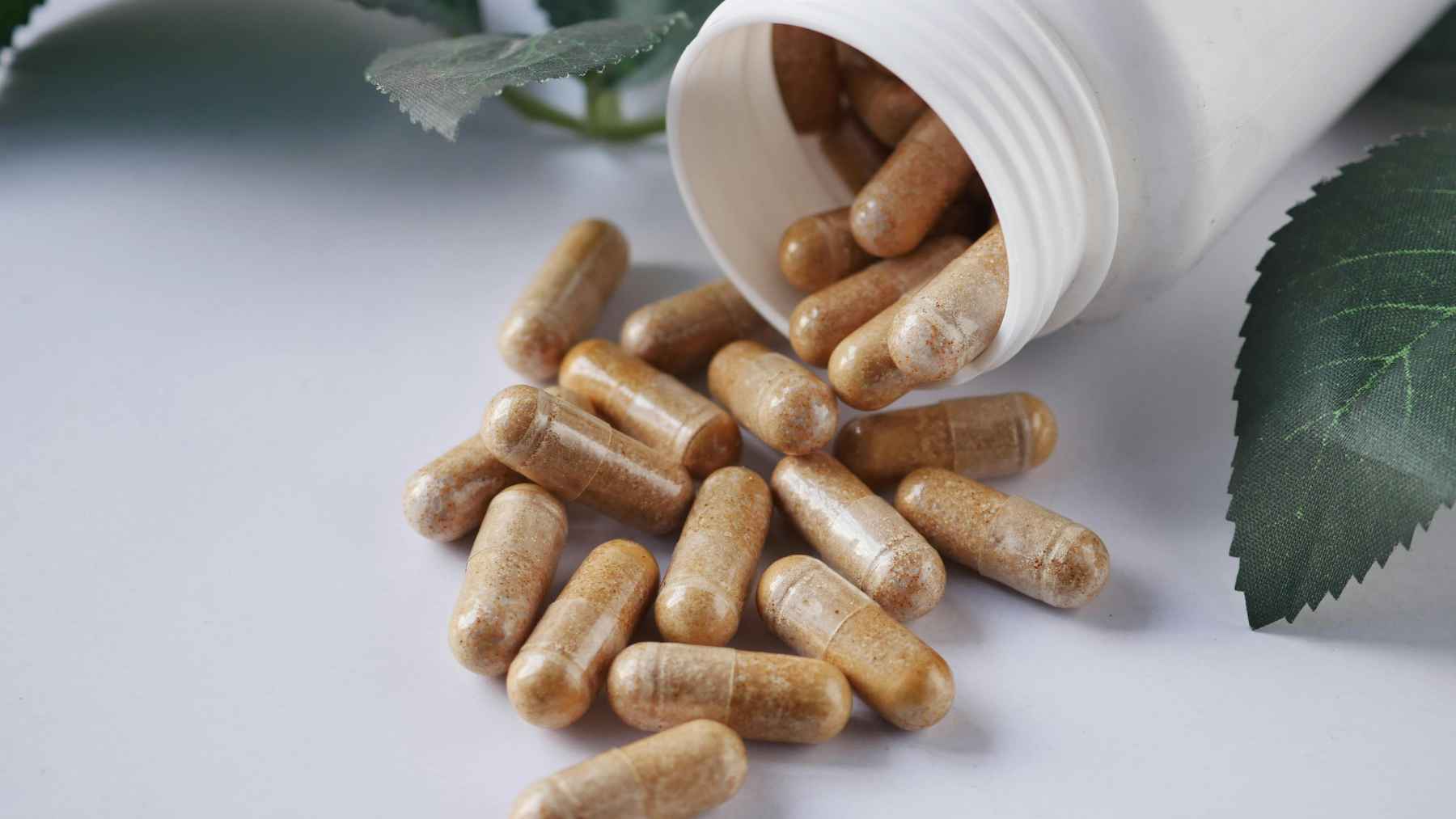
So why is it sold in supplements? Tyrosine helps the body produce dopamine, norepinephrine, and adrenaline, chemicals involved in attention, stress response, and mood. That is why it often appears in products aimed at students, athletes, and people trying to stay sharp under pressure.
What the study found
The research was led by Jie V. Zhao, Yitang Sun, Junmeng Zhang, and Kaixiong Ye from the University of Hong Kong and the University of Georgia. The team analyzed data from more than 270,000 UK Biobank participants, including over 23,000 recorded deaths during follow-up.
To look beyond simple association, the researchers used a method called Mendelian randomization.
In plain English, that means they used inherited genetic differences as a kind of natural experiment to ask whether higher tyrosine might be tied to lifespan, rather than just traveling alongside other lifestyle or health factors.
At first, both phenylalanine and tyrosine seemed connected with a higher risk of earlier death. But once the overlap between the two amino acids was taken into account, tyrosine was the one that stood out. In men, genetically higher tyrosine was linked with about 11 months less life, while the same clear pattern was not seen in women.
A clue from aging biology
This study did not appear out of nowhere. Scientists have long known that reducing total protein intake can extend lifespan in several animals, from tiny worms to rodents, although humans are much more complicated than lab animals.
More recent work has started to ask whether certain amino acids may matter more than protein as a whole. A 2024 Science Advances study highlighted by RIKEN found that limiting tyrosine in adult female fruit flies improved starvation resistance and helped them live longer under specific diet conditions.
One possible explanation involves nutrient-sensing systems, the cellular switches that help the body react to food availability.
When these systems stay activated for too long, they may push cells toward growth and stress responses rather than repair. That is not proof of harm in people, but it gives researchers a trail to follow.
Why men stood out
One of the most interesting parts of the new study is the sex difference. The researchers noted that men tend to have higher tyrosine levels than women, which could help explain why the signal appeared stronger in men.
Could this explain the lifespan gap between men and women? Not by itself. In the United States, current CDC data put life expectancy at 76.5 years for males and 81.4 years for females, so the gap is shaped by many forces, including disease risk, behavior, work hazards, and health care use.
Still, biology may be part of the story. Tyrosine feeds into stress-related chemicals such as adrenaline, and those pathways may interact differently with testosterone and estrogen over decades. That is where the finding becomes more than a supplement story.
What this means for supplements
This is not a reason to panic over normal foods. Tyrosine is essential for healthy brain and body function, and protein-rich foods provide many nutrients that people need every day. A steak, a bowl of beans, or a carton of yogurt is not the same thing as a concentrated supplement capsule.
The study also did not directly test tyrosine pills, supplement doses, or short-term use for focus. Blood tyrosine levels are shaped by genes, diet, metabolism, and overall health, which means a supplement label cannot tell the whole story.
Still, the results are a useful warning against casual “performance” dosing. If a product promises sharper focus, more drive, or better stress control, it is fair to ask what is known about daily use over years. The answer, for the most part, is not enough.
The next question
The researchers argue that future studies should test whether diet or lifestyle changes can safely lower high tyrosine levels in people who already have elevated concentrations. That is a much more careful idea than telling everyone to cut protein or avoid tyrosine-rich foods.
Their wording was cautious for a reason. “Reducing tyrosine in people with elevated concentrations may contribute to prolonging lifespan,” the official release notes, while also pointing to possible sex-specific differences.
For now, the practical takeaway is simple. Tyrosine may still have a useful role in the body, but its long-term effects deserve more scrutiny, especially when it is packaged as an easy shortcut for energy and focus.
The official study has been published in Aging.