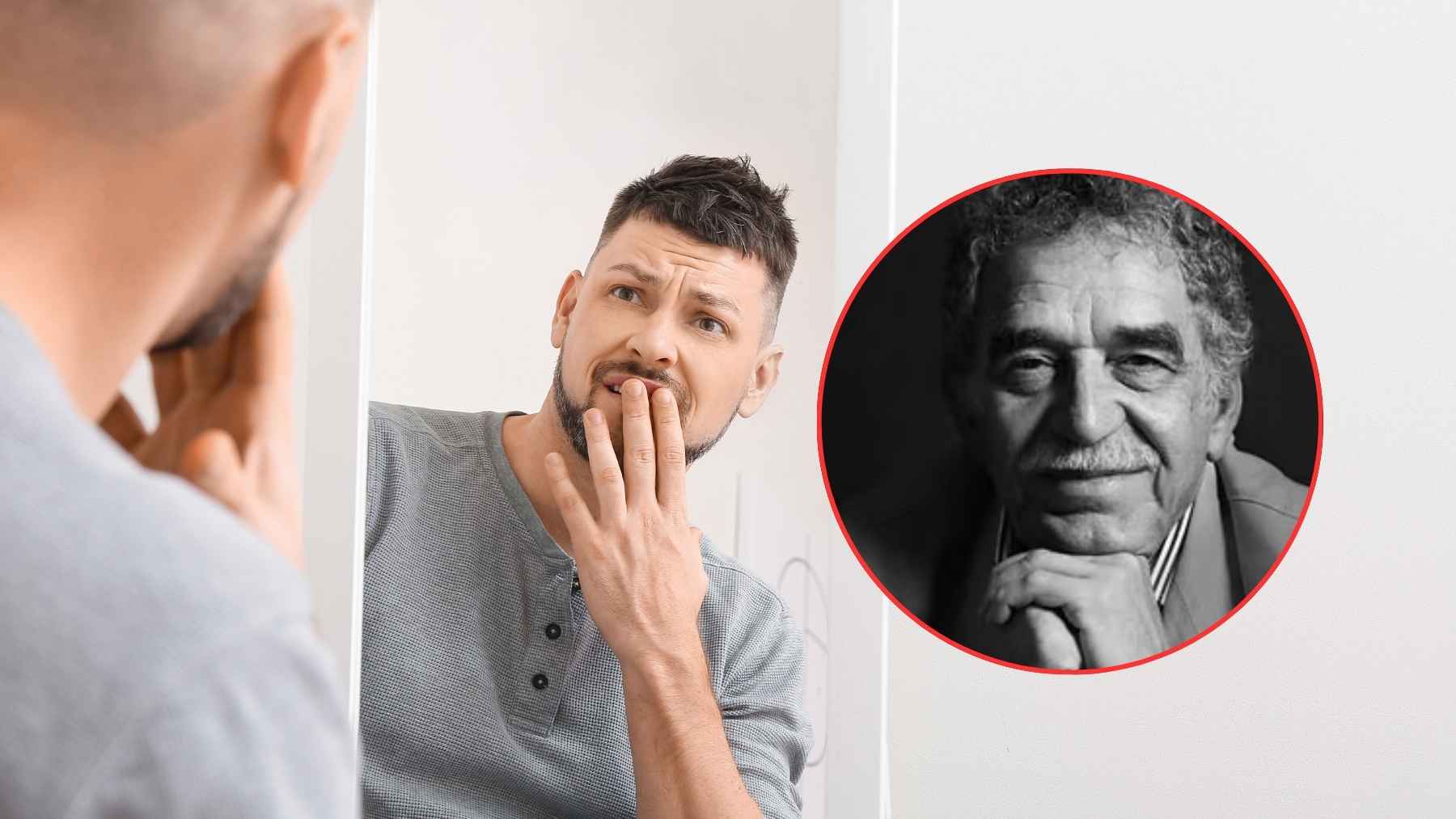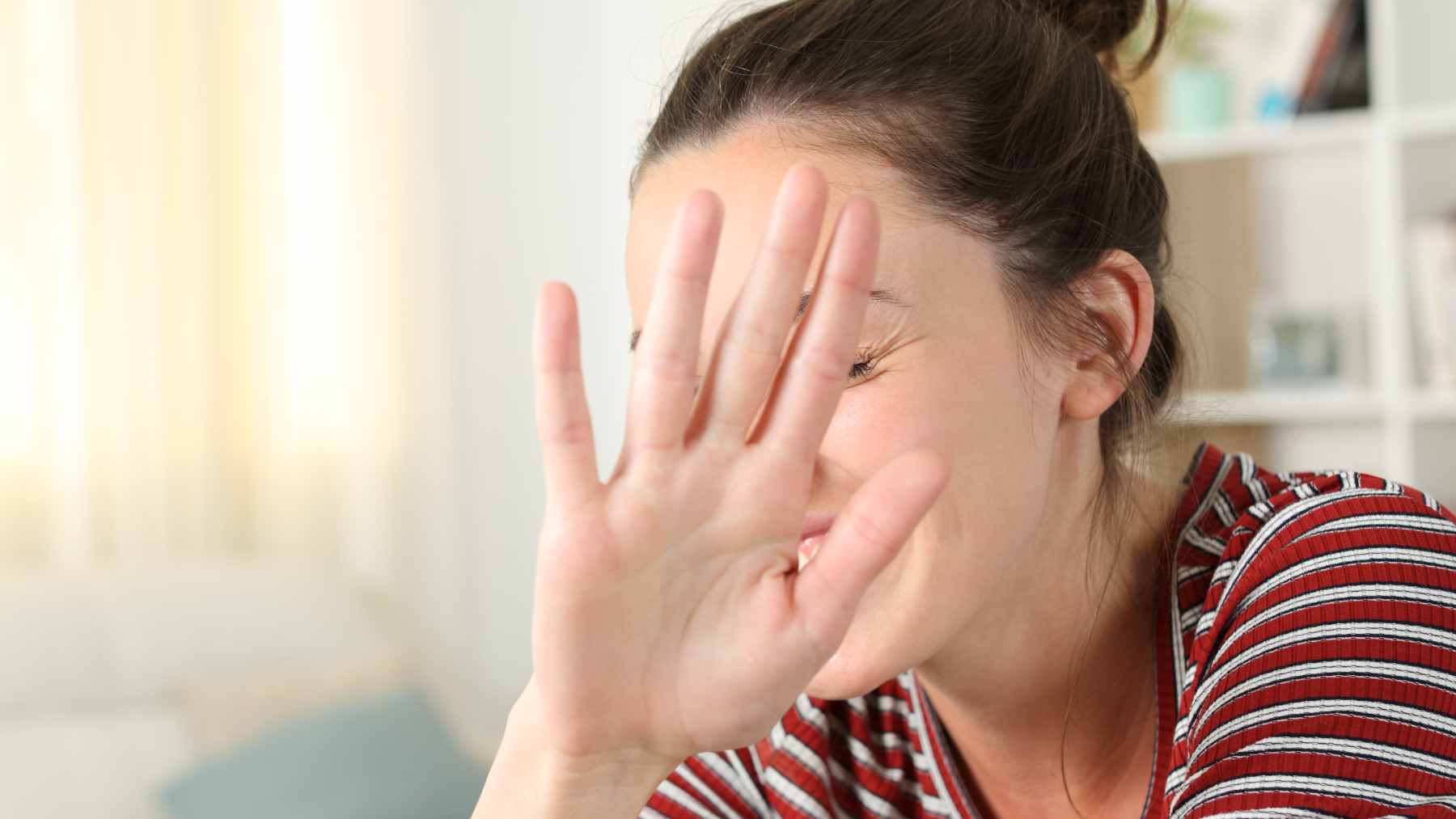
Some people see a camera and instantly move out of frame. They laugh it off, offer to take the group picture instead, or ask friends not to post anything until they approve it.
We often put it down to simple insecurity, when it may actually be tied to learned discomfort around being seen and judged.
Psychology research points to a deeper pattern. For many people, the problem is not just “looking bad” in a picture. It is the feeling that a frozen image can become evidence, open to comments, comparison, and criticism long after the moment is over.
Why photos feel personal
A photo is not just a memory. For someone who feels watched, it can feel like a test they did not agree to take. One awkward smile, one bad angle, or one unflattering pose may seem like something others will judge.
Researchers describe fear of negative evaluation as worry about criticism, embarrassment, or rejection. That fear is closely tied to social anxiety, but it can also show up in smaller everyday moments, such as avoiding a camera at a party.
Childhood shapes self-image
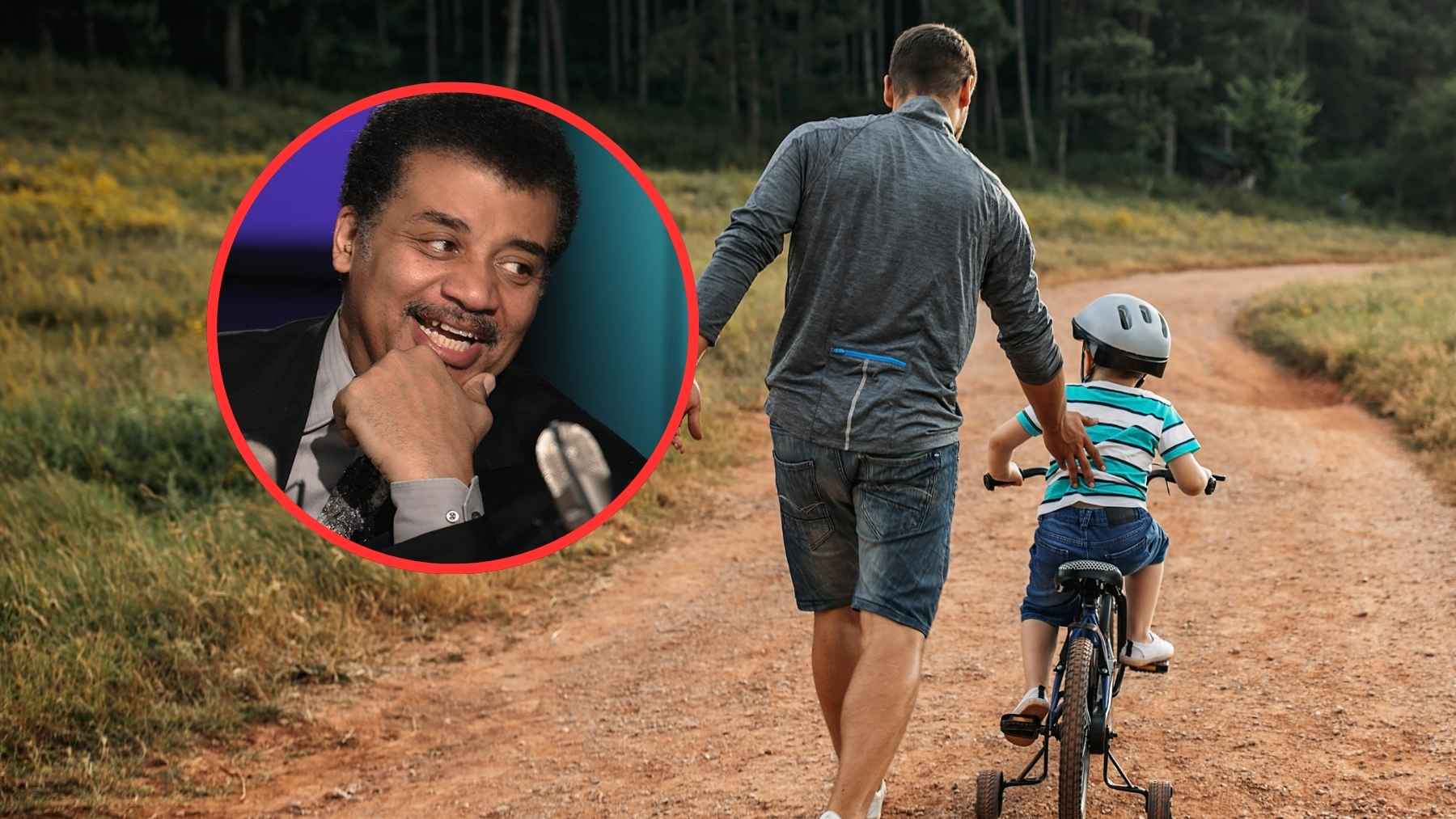
The construction of our self-image isn’t traced back solely to looking in a mirror. It is also shaped by comments from parents, siblings, classmates, and friends. A joke about someone’s body, posture, face, or smile can stick around longer than adults may realize.
The National Eating Disorders Association notes that body dissatisfaction can include shame, anxiety, and self-consciousness about appearance. It also says parents’ comments and teasing about a child’s appearance can directly affect body image.
That is where the camera becomes complicated. If “being seen” once meant being corrected or mocked, posing for a picture may not feel harmless. It may feel like stepping back into an old room where everyone is looking.
Digital life raises the stakes
Years ago, a bad photo might have stayed in a family album. Now, it can land on a social feed within seconds. That changes the emotional weight of a simple picture.
The Mental Health Foundation reported that 40 percent of young people in its survey said images on social media had made them worry about body image. The same report pointed to appearance-related comments from family and friends as important influences.
The American Psychological Association has also reported that teens and young adults who cut social media use in half for a few weeks felt better about their weight and overall appearance. That does not mean every photo is harmful, but it shows how strongly image-heavy spaces can affect self-perception.
The habits adults repeat
In adulthood, this discomfort often appears in small but familiar ways. Some people hide in the back of group photos, ask for repeated shots, or feel embarrassed before they even see the final image.
Others refuse to be tagged online or insist on approving every post. At first, that may feel like control. But over time, avoidance can teach the brain that the camera really is dangerous.
That is the trap. Avoiding the picture brings relief in the moment, but it can make the next picture feel even harder. The body learns the pattern quickly.
Not always low self-esteem
Avoiding photos does not automatically mean someone has low self-esteem. A person can be outgoing, successful, funny, and confident in most social situations, yet still freeze when a camera comes out.
The University of Kentucky reported on research by Ilyssa Salomon and Christia Spears Brown showing that taking and posting selfies can be linked to negative outcomes for some teens, but not for all of them.
In that study, 142 middle schoolers were surveyed, and teens who posted more pictures showed greater awareness of appearance, which was linked to more negative feelings about their bodies.
That nuance matters. The camera is not the same emotional object for everyone. For some, it is fun. For others, it feels like a spotlight.
What can help
Experts generally do not recommend forcing someone to love every picture overnight. A better first step is noticing what the camera brings up. Is it fear of looking unattractive, fear of being mocked, or fear that others will see something the person tries to hide?
In practical terms, that means starting small. A person might keep a private photo without sharing it, practice being in casual pictures with trusted friends, or look at an image without immediately searching for flaws.
The goal is not to become obsessed with photos. It is to loosen the link between exposure and judgment, little by little.
The main related study on selfie behavior and early adolescent body image has been published in The Journal of Early Adolescence.