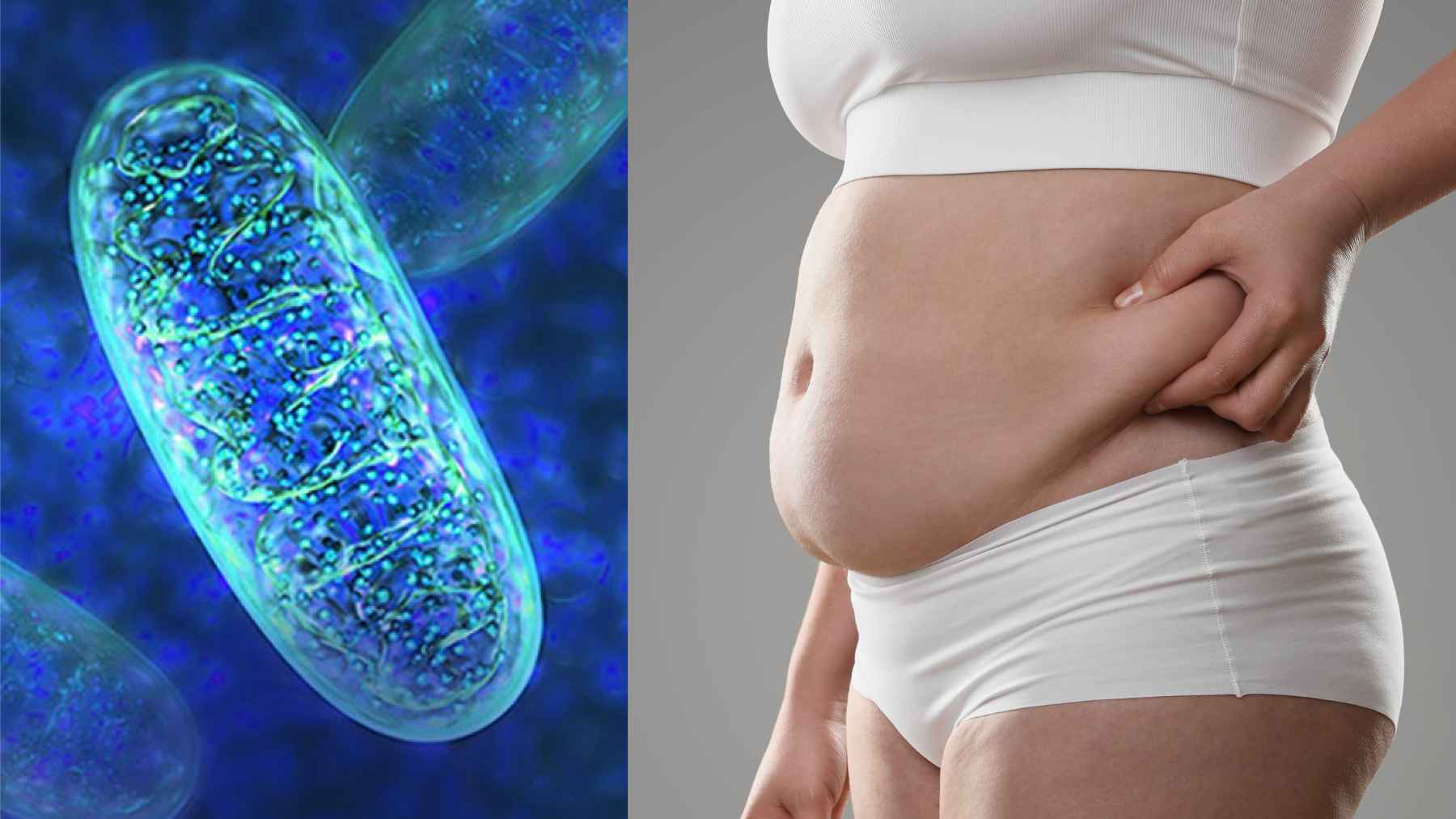
A new study in mice points to a surprising target in the fight against obesity; not appetite, not sugar cravings, but the way magnesium moves inside tiny cellular power plants called mitochondria.
Researchers found that an experimental compound called CPACC helped mice stay lean and protected their livers while they ate a long-term Western-style diet rich in sugar and fat.
That does not make CPACC a human weight-loss pill. Not yet. But the work offers a fresh clue about how cells decide whether to store energy as fat or burn it, and why the usual ingredient-list lurking inside fast food, desserts, and sweet drinks can push the body toward serious metabolic trouble.
Why magnesium matters
Magnesium is usually treated as a wonder mineral. It helps control blood sugar and blood pressure, supports bones, and takes part in many chemical reactions that keep cells working in a healthy way.
In this study, the surprising twist was where exactly it did its magic. Too much magnesium moving into mitochondria appeared to act like a brake on energy use. “It puts the brake on, it just slows down,” said Travis R. Madaris, a doctoral student involved in the work.
Could a cell’s energy factory be slowed by the same mineral it also needs to keep it running? That is the question the team tested by focusing on MRS2, a gene that helps carry magnesium into mitochondria.
A gene switch kept mice lean
The researchers removed the MRS2 gene in mice and fed them a Western diet for 52 weeks. Normal mice gained weight and developed signs of metabolic disease. Mice without the gene stayed lean, even though they ate and drank about the same amount and moved about as much as the other mice.
Their cells also seemed to use fuel more actively. They handled sugar and fat better, and some white fat began to look more like beige fat, a type of fat that burns more energy instead of simply storing it. In everyday terms, the body’s storage closet looked a little more like a furnace.
The effect also impacted the liver. The control group of mice on the same diet developed fatty liver changes, scarring, enlarged livers, and frequent liver tumors.
Those problems were largely absent in the mice missing MRS2, a finding that matters because fatty liver disease is closely tied to obesity and type 2 diabetes.
CPACC copied the effect
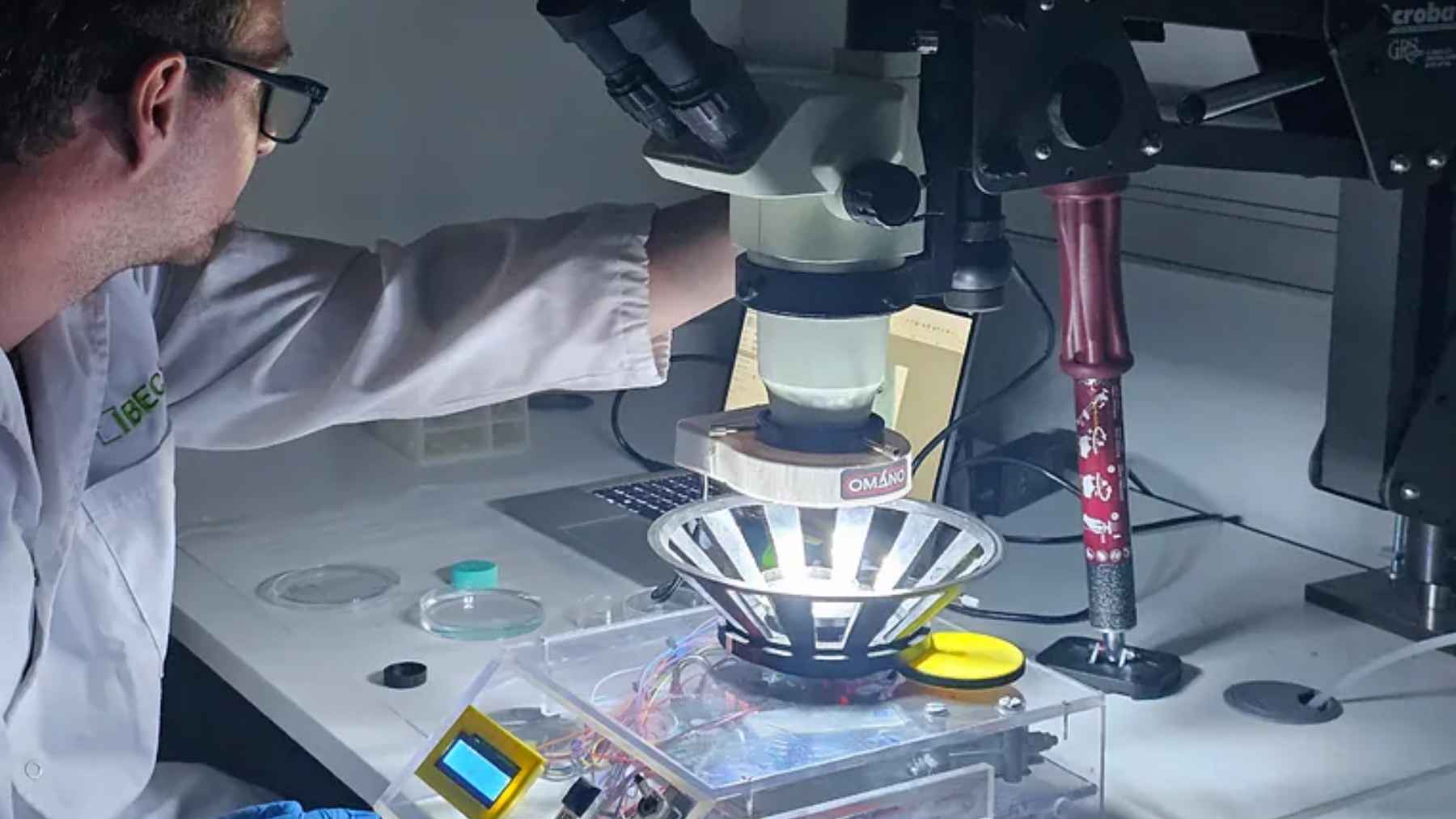
After the gene experiment, researchers tested CPACC, a small molecule designed to block the same magnesium pathway. The main team was led by Madesh Muniswamy at UT Health San Antonio, with collaborators Joseph A. Baur at the University of Pennsylvania and Justin J. Wilson at Cornell University.
“When we give this drug to the mice for a short time, they start losing weight,” Muniswamy said. “They all become slim.” The result was striking, but it still came from animal experiments, so it should be read with caution.
In liver cells, CPACC reduced fat buildup, heightened mitochondrial activity, lowered citrate in the blood, and promoted the production of beige-fat . In mice on a high-fat diet, shots of CPACC every three days for six weeks limited weight gain and improved one marker of liver function.
What citrate has to do with fat
Citrate is a small molecule that cells can use as raw material to make fat. The study suggests that lowering magnesium inside mitochondria kept more citrate from leaving those power plants and feeding new fat production.
That could help explain why the treated mice stored less fat in the liver and across the body. However, mitochondria rely on mineral signals for many jobs, so changing one channel may affect more than just weight.
This is where the research becomes more than a diet story. It points to a possible metabolic switch inside cells, one that may help shape how the body responds to long-term stress from sugary, fatty food.
Why this is not a shortcut yet
No human trials have shown that CPACC works in people. Mice are useful for early research, but they are not tiny humans, and many promising treatments fail when they move from animal models to patients.
The study also used a broad gene deletion, meaning MRS2 was turned off throughout the animals’ bodies. That makes it harder to know which organ or tissue was the main driver for each benefit.
The compound is still in the early days of experimentation. UT Health San Antonio has filed a patent application, but researchers say safer and more precise MRS2-targeting compounds will be needed before human studies can be considered.
Follow-up studies widen the picture
Later work suggests mitochondrial magnesium transport may matter beyond obesity. A 2024 Mitochondrion study found that lower magnesium inside mitochondria changed how a calcium gate worked, which could affect energy production and cell stress.
In 2026, a Hypertension study linked increased Mrs2 signaling to pulmonary arterial hypertension in rats, a dangerous condition involving high blood pressure in vessels that carry blood from the heart to the lungs.
Reducing Mrs2 activity helped mitochondrial function and mitigated the development of unhealthy vessels in that animal model.
Together, these papers do not prove CPACC is ready for clinics but they do suggest these magnesium channels are worth keeping an eye on. Sometimes the next big clue in medicine comes from a very small doorway inside the cell.
The official study has been published in Cell Reports.