
Tech
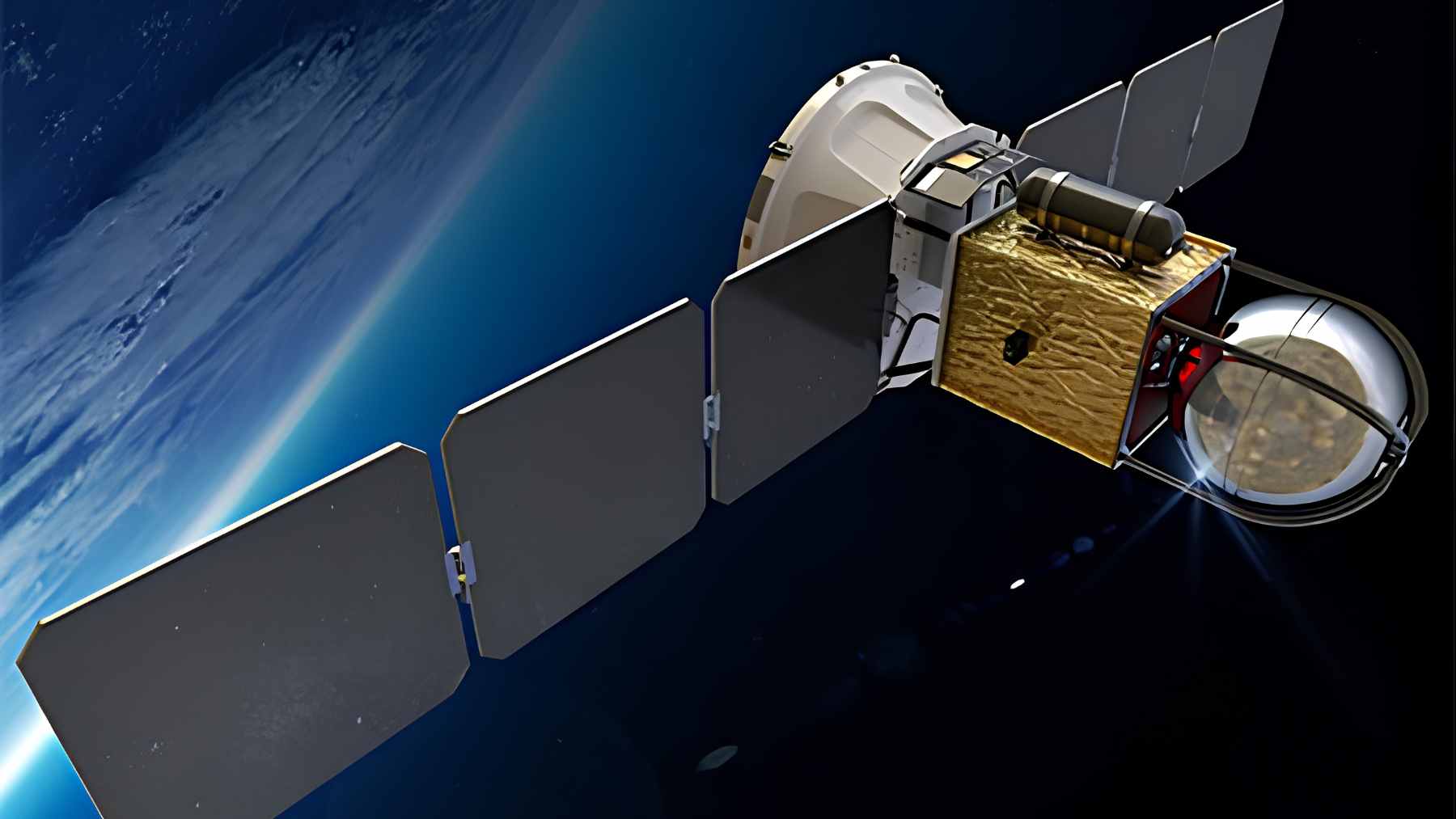
It sounded like science fiction, but companies are now crystallizing drugs in space, and rare lung disease research could change first
China is putting giant computers under the sea, and the strangest part is that AI may need the ocean to keep growing
NASA wants gas stations in space, and the idea could change how spacecraft reach the Moon and Mars without carrying all their fuel
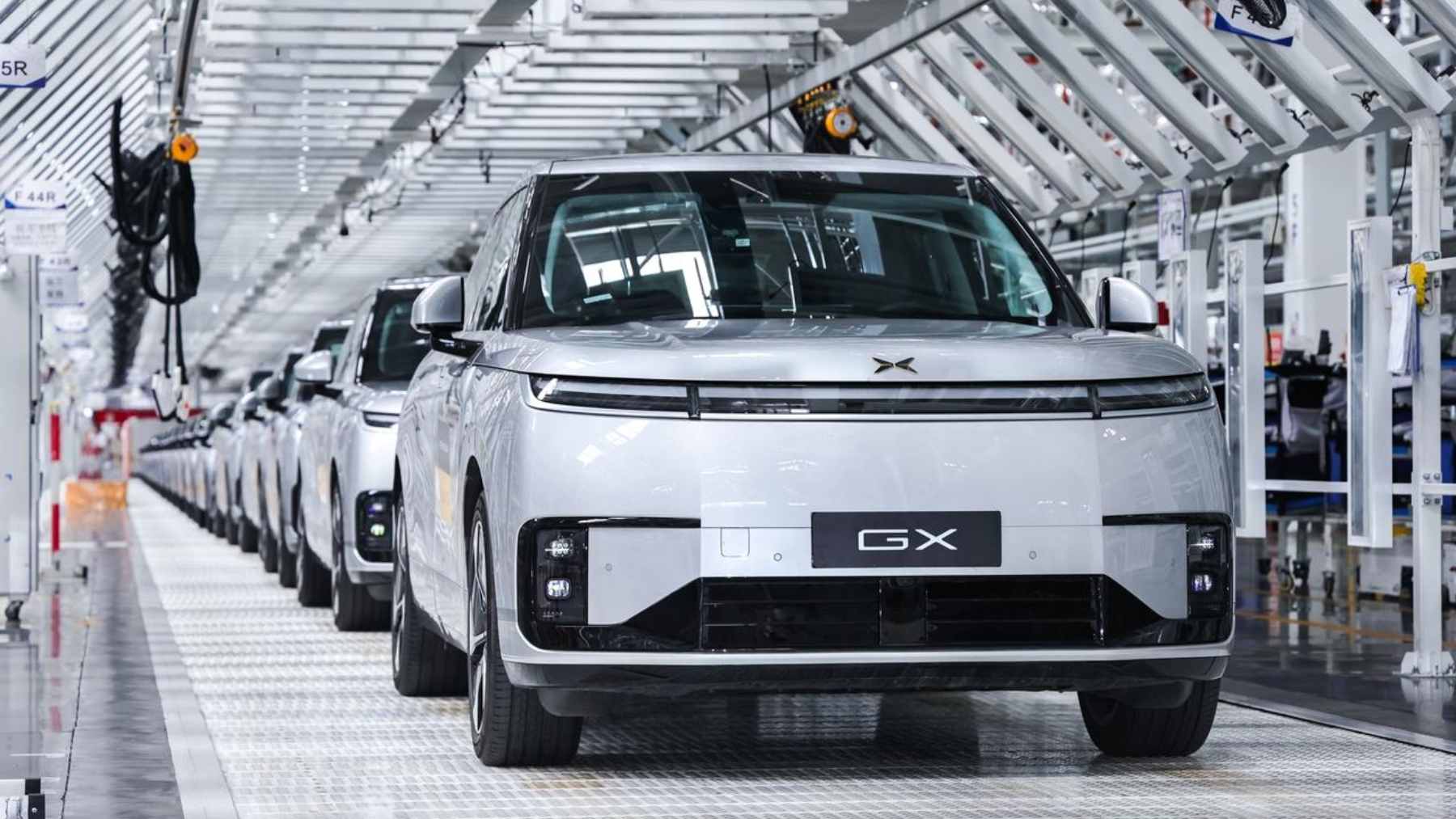
Elon Musk is still waiting for China to approve Tesla’s FSD, while XPENG rolls out a robotaxi that could change the driverless race
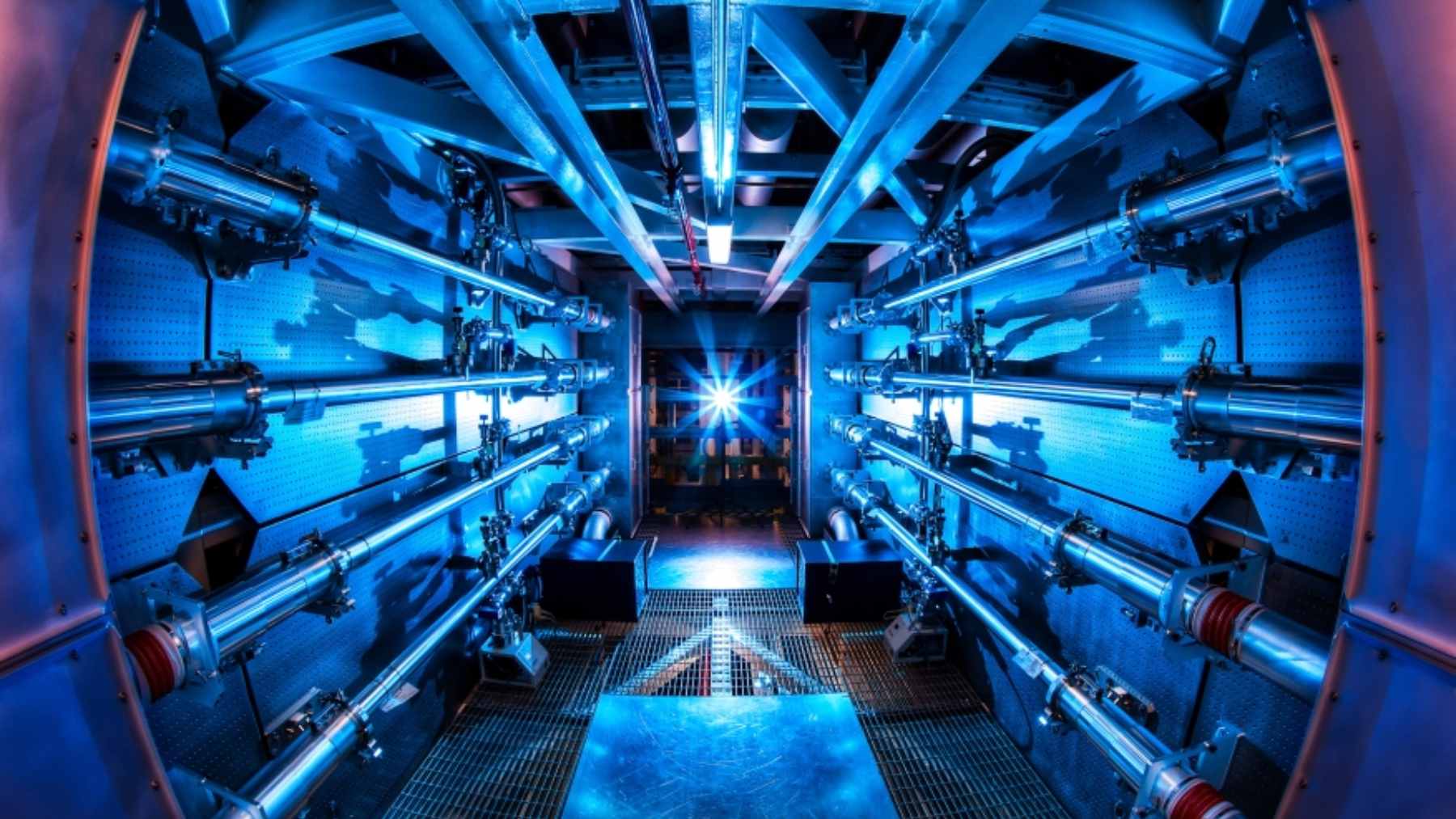
California fires the world’s largest energy laser at a target smaller than an eraser, and the fusion race suddenly feels closer
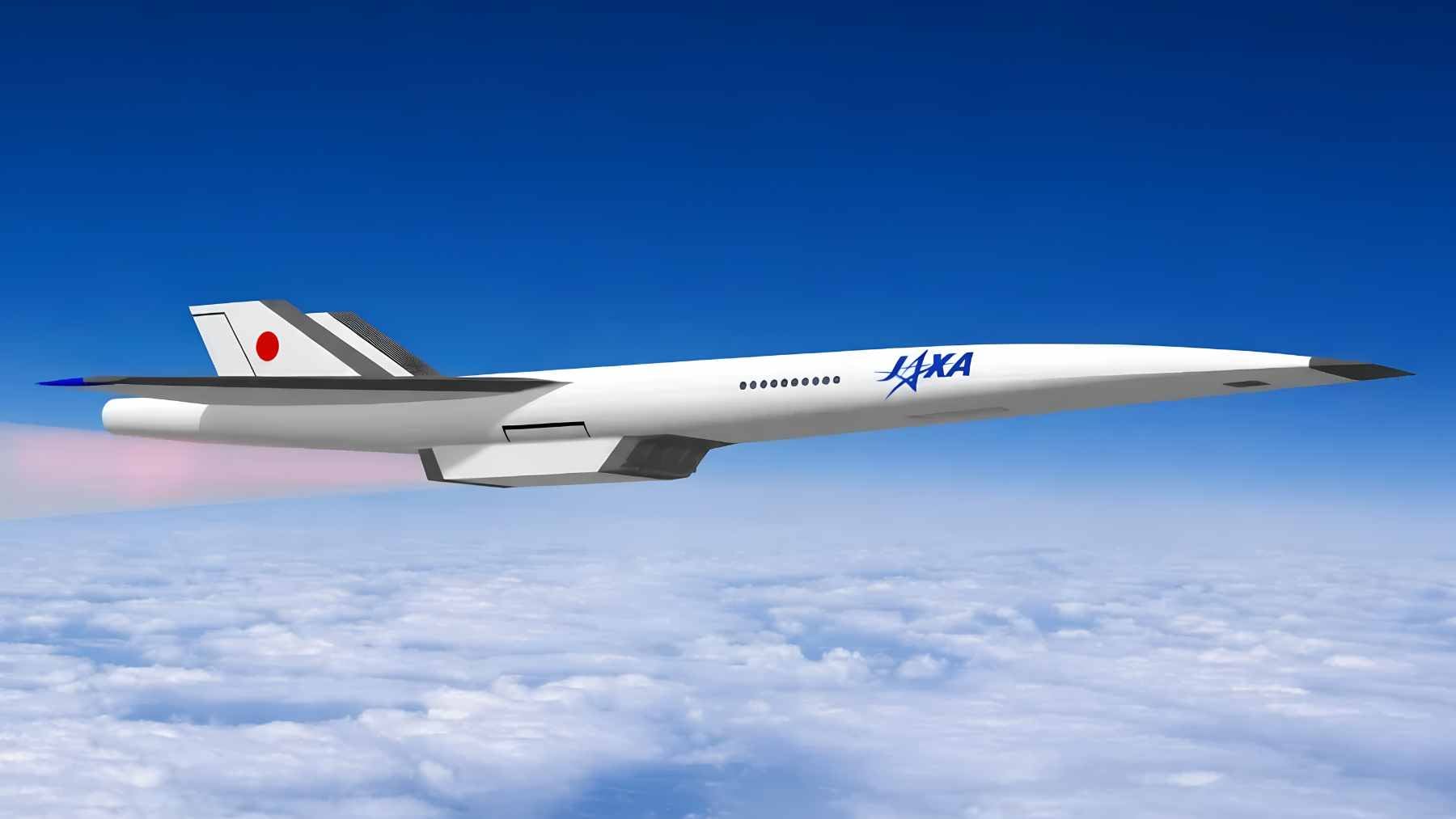
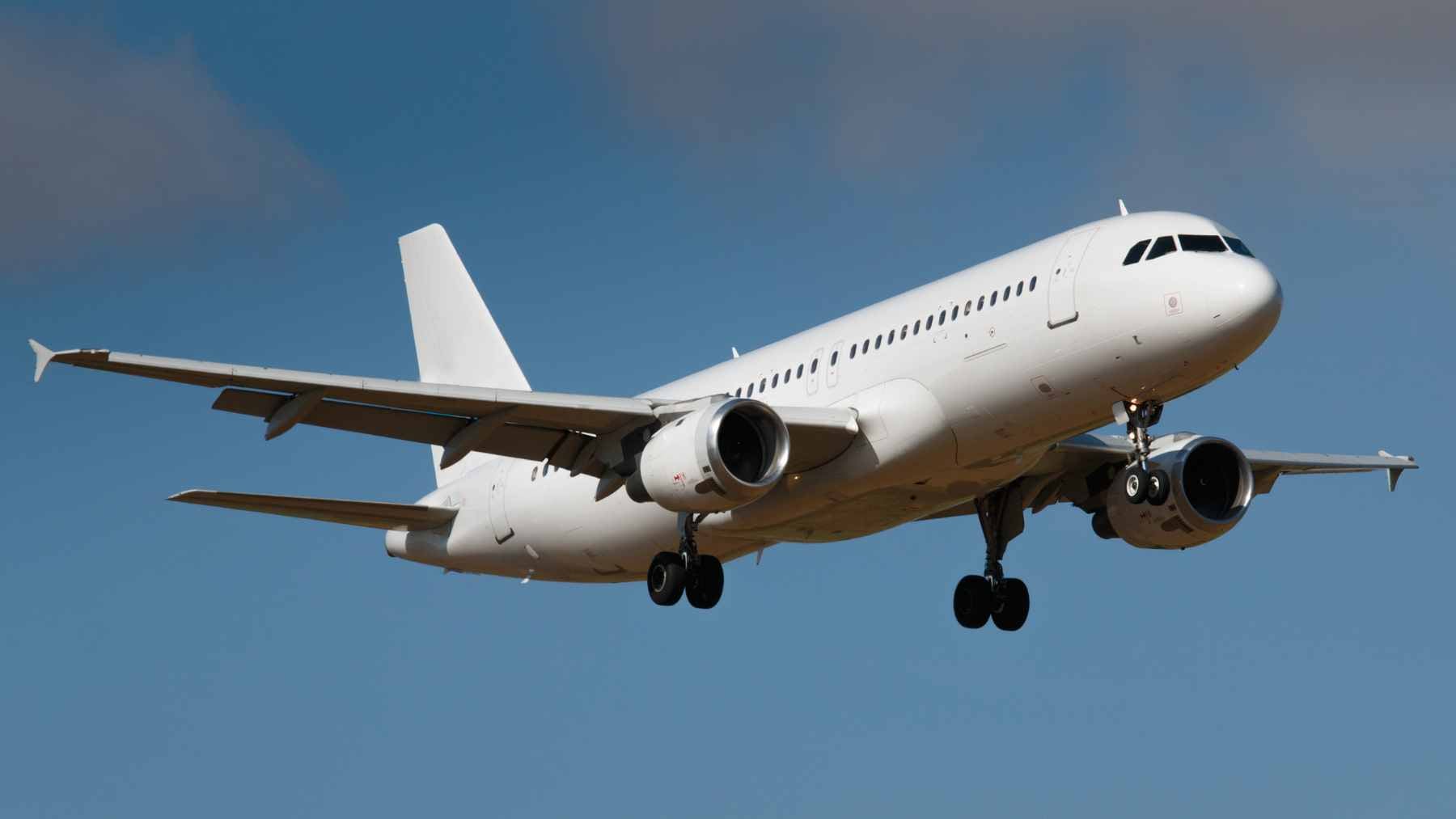
It looked like a small Japanese test, but it points to a much bigger race to put hypersonic planes on commercial routes
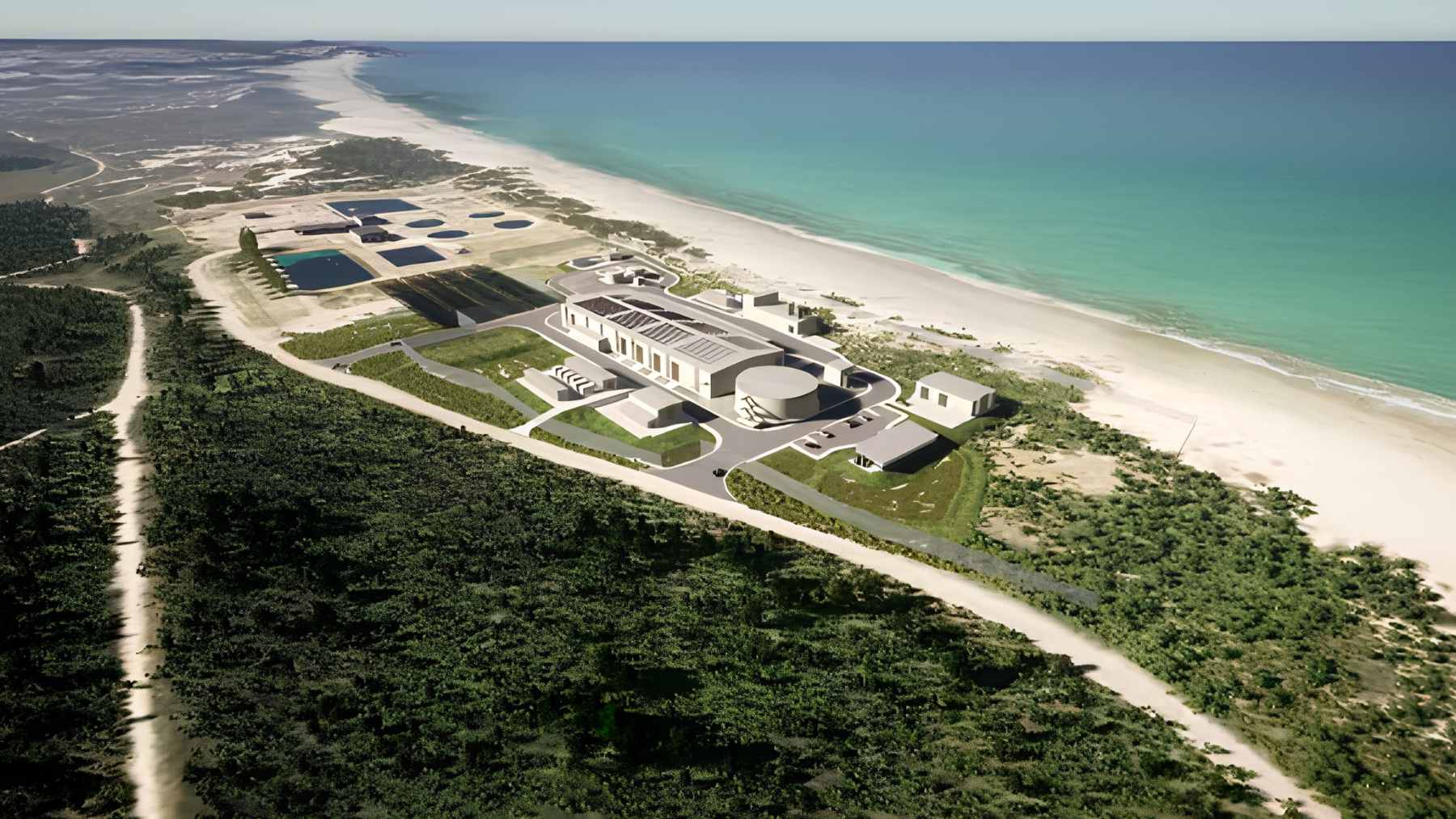
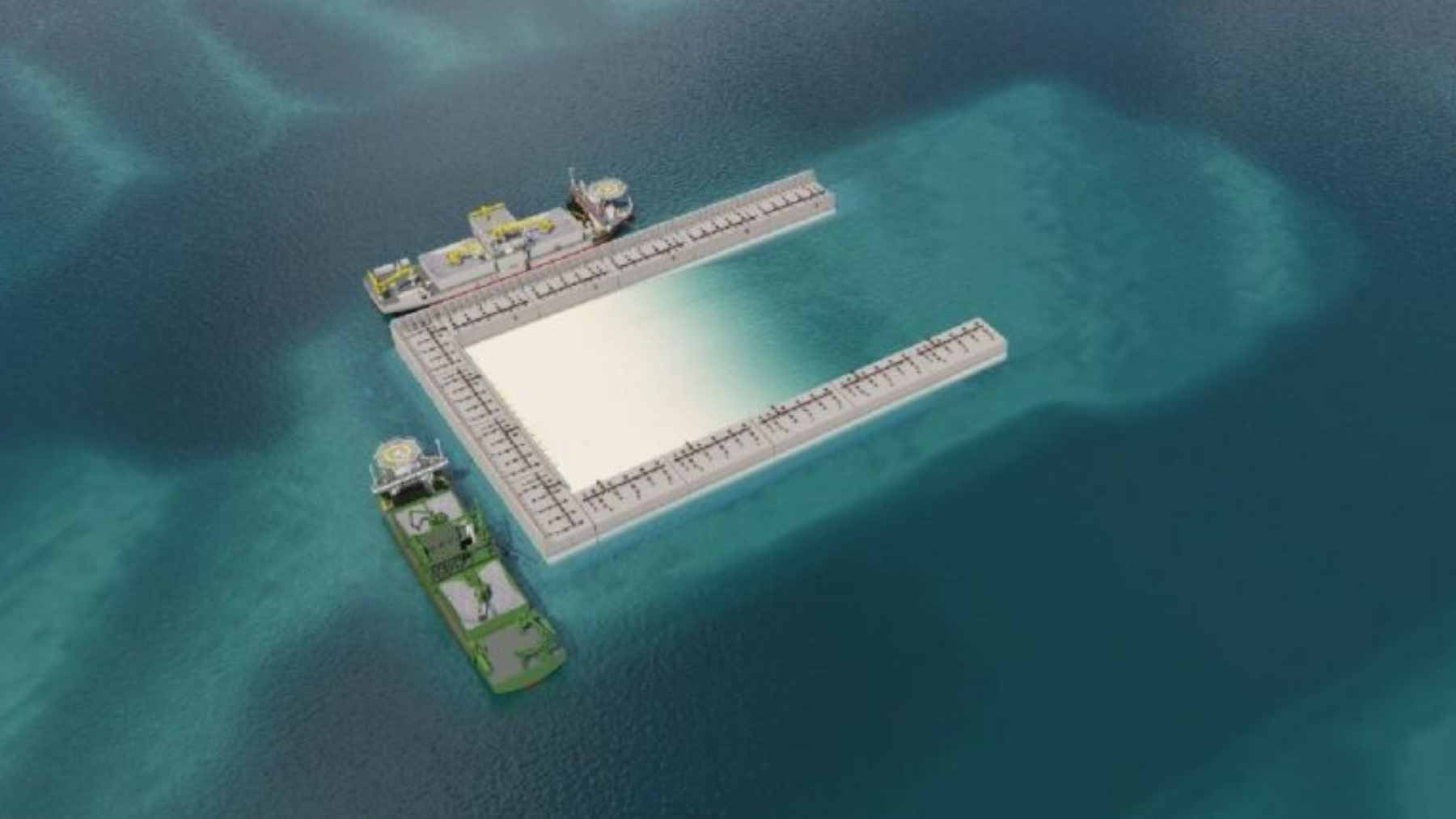
Australia is placing giant structures on the seafloor about 800 m offshore to feed a desalination system designed to produce about 7.9 million gallons of drinking water per day, using ocean intake engineering that moves the plant’s footprint into the water
California rolled out its first AI-driven highway traffic management system, aiming to smooth flow and cut congestion by using real-time data to control lanes and responses instead of relying on static timing
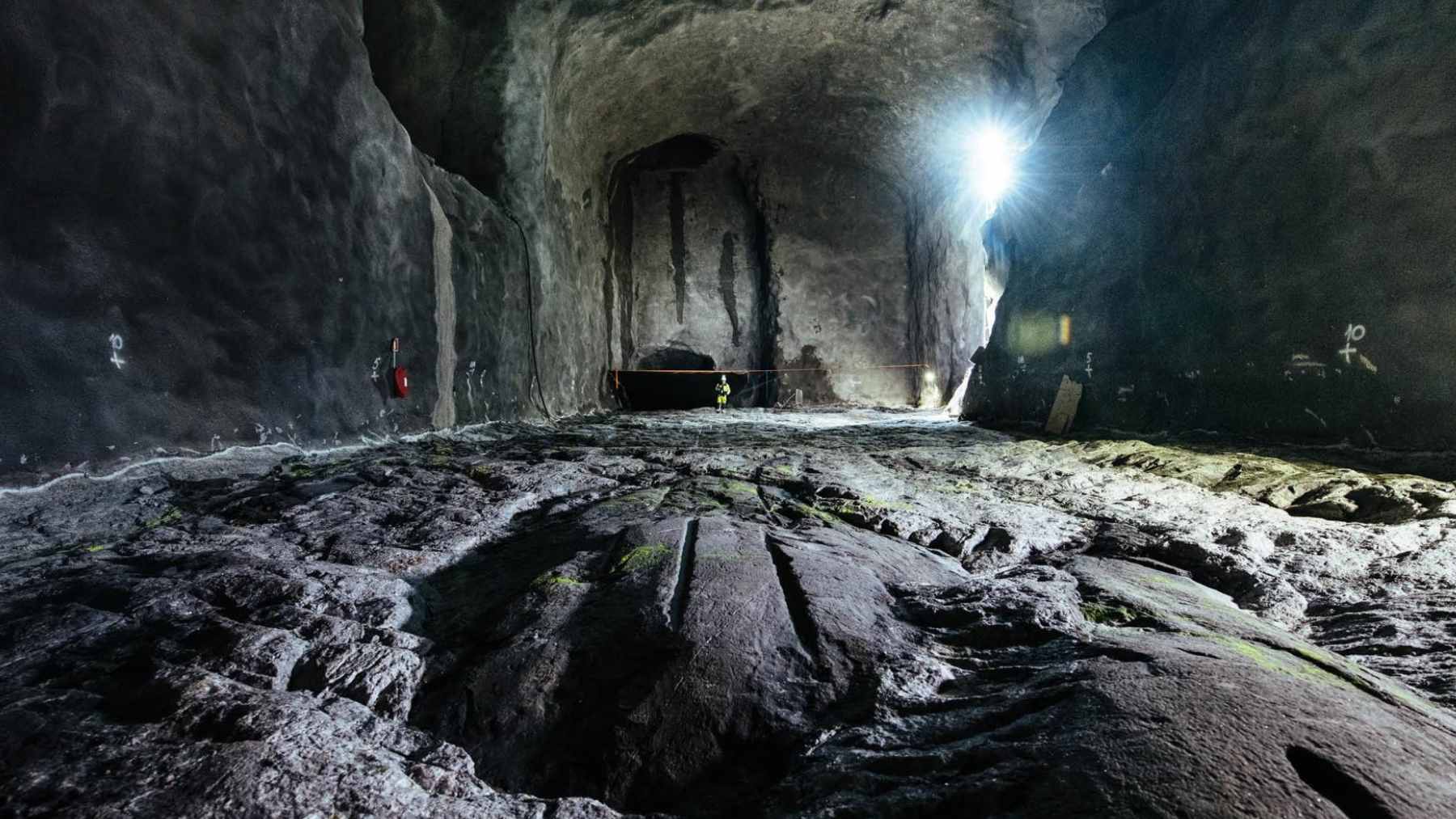
Finland has opened what’s being billed as the first permanent facility for disposing of spent nuclear fuel, a milestone that turns “nuclear waste” from a political talking point into an engineering endgame
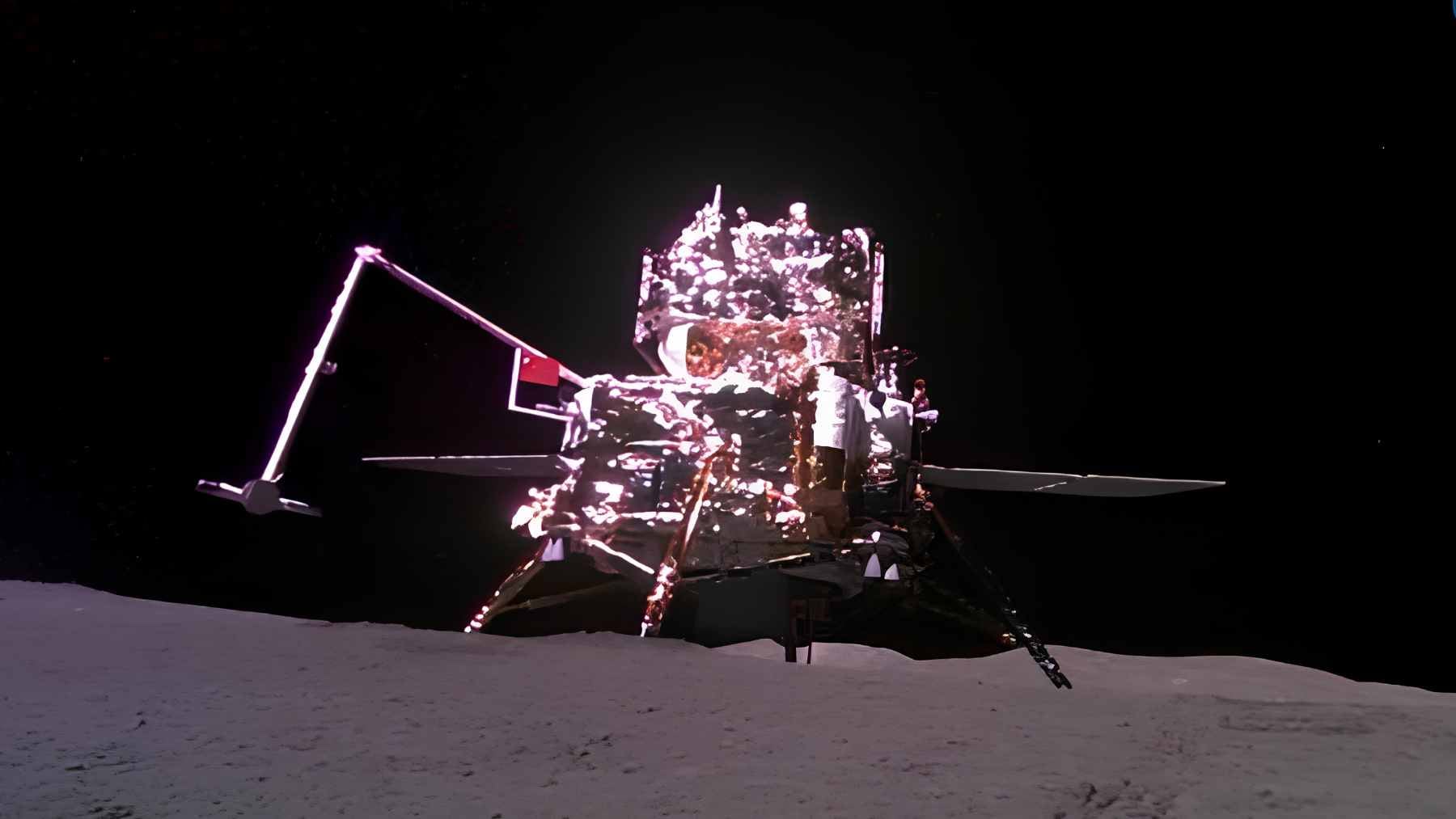
While everyone talks about colonizing the Moon, China is already testing construction robotics built to assemble infrastructure in harsh environments, pushing the idea that the first lunar builders won’t be astronauts, they’ll be machines
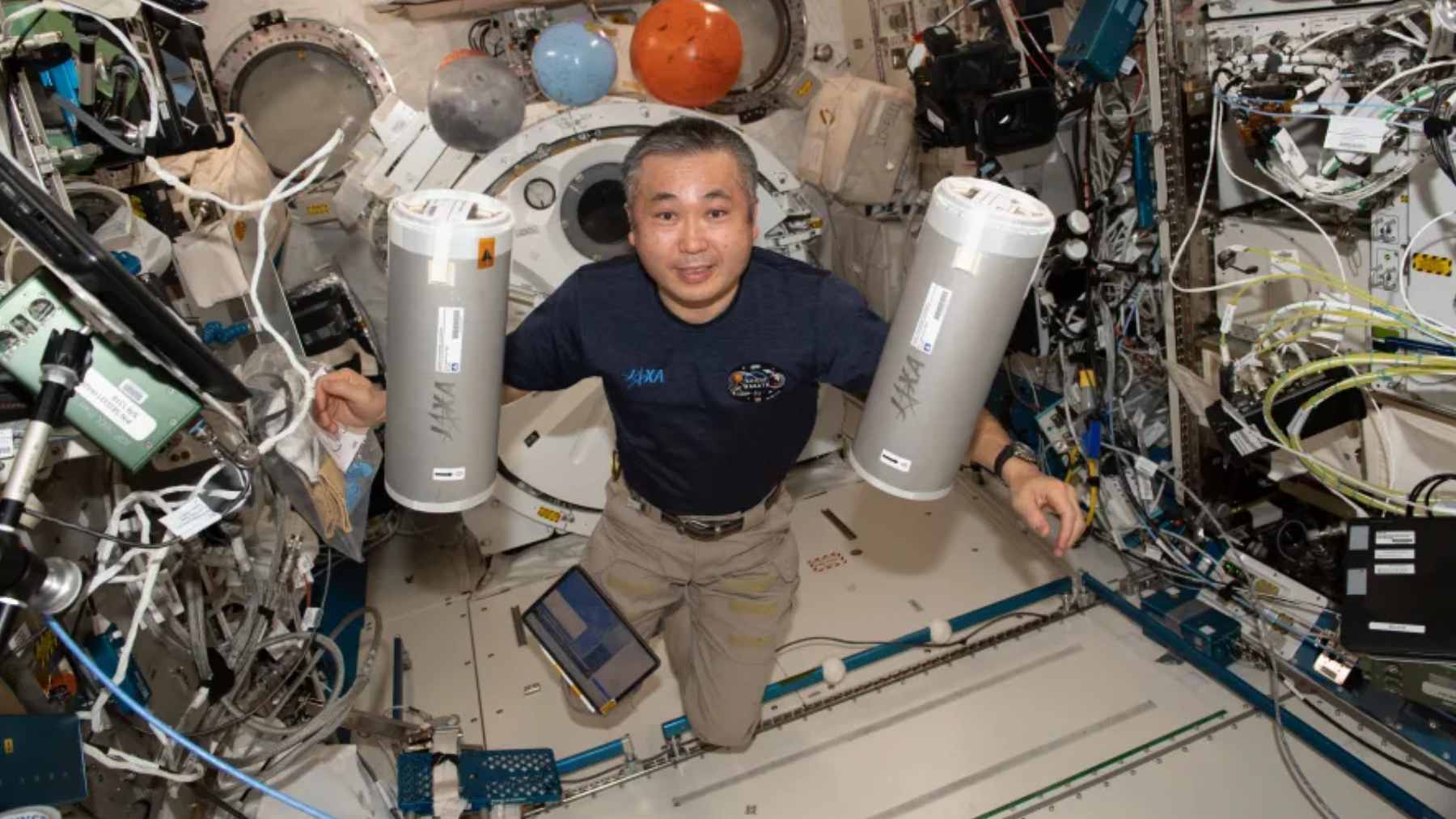
NASA and SpaceX launched a Dragon cargo mission carrying about 6,500 lbs. of supplies and experiments to the ISS, another reminder that station logistics are a steady drumbeat even when big rockets steal the headlines
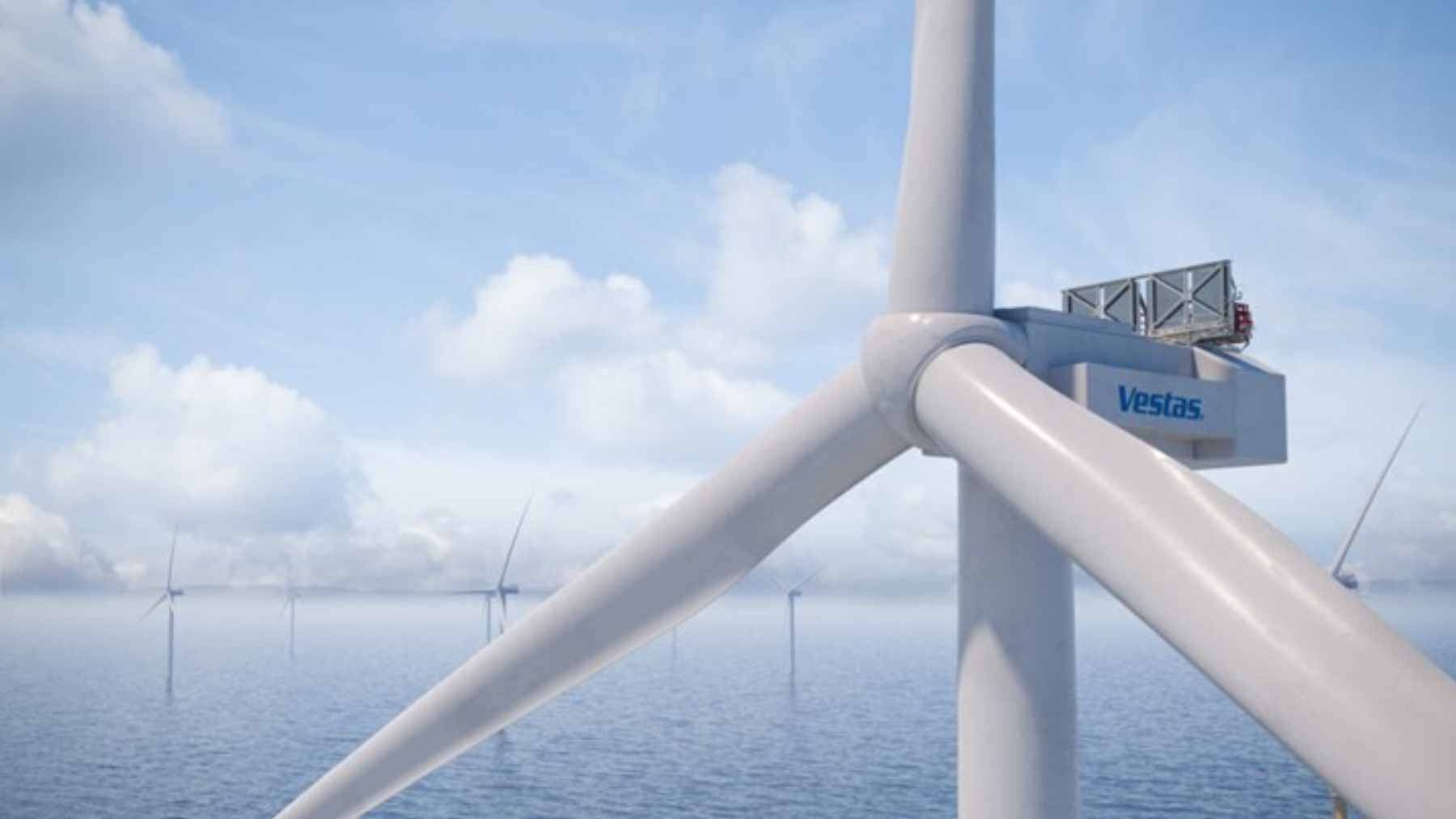
Vestas will test a single 379-foot red blade on seven offshore turbines in a 760 MW Dutch wind farm to cut bird collisions, using contrast as a low-tech fix for one of wind power’s hardest optics problems
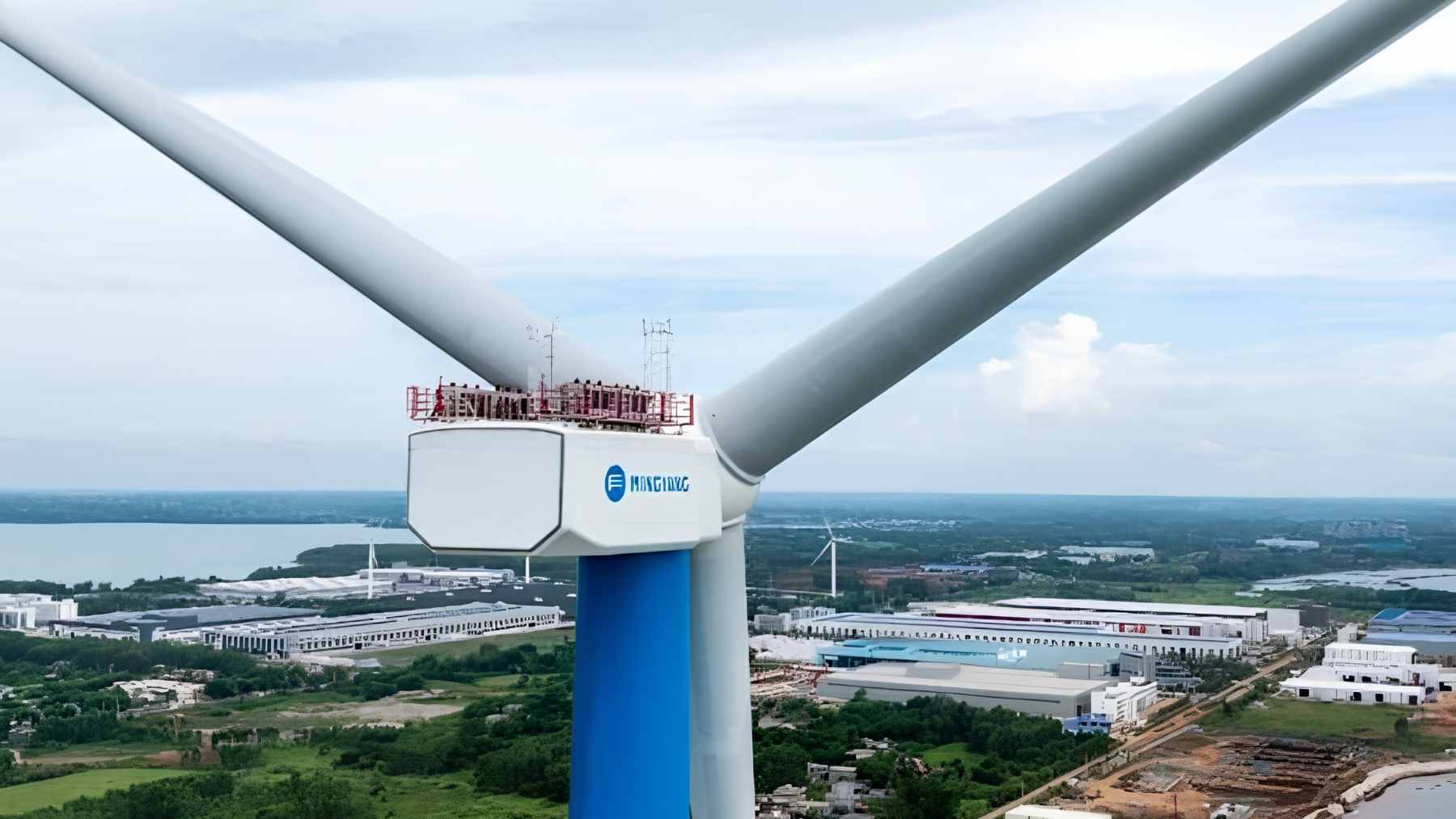
China switched on the world’s largest offshore wind turbine and researchers are now watching for measurable local atmospheric effects, because at this scale the rotor is big enough to change turbulence and mixing, not just generate electricity
Starship Flight 12 will deploy 22 Starlink simulators including two inspector craft that will image the ship’s heat shield in flight, testing how SpaceX will spot missing tiles before a return, because reusability now lives or dies on the shield
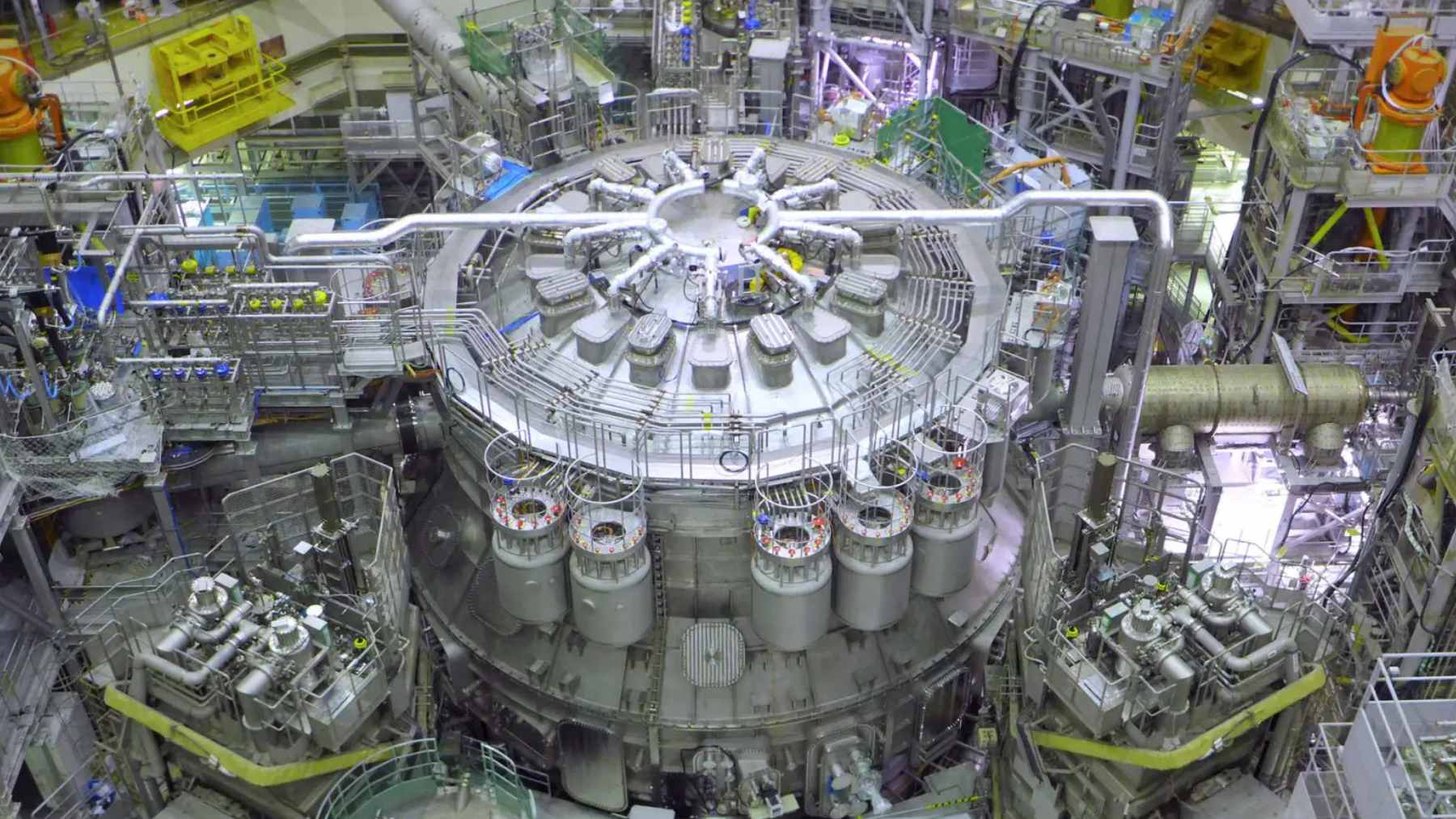
The world’s largest operating tokamak, JT-60SA, has begun integrated commissioning after a major 26-foot (8 m) coil upgrade, with teams gathering data ahead of a six-month plasma campaign planned for late 2026
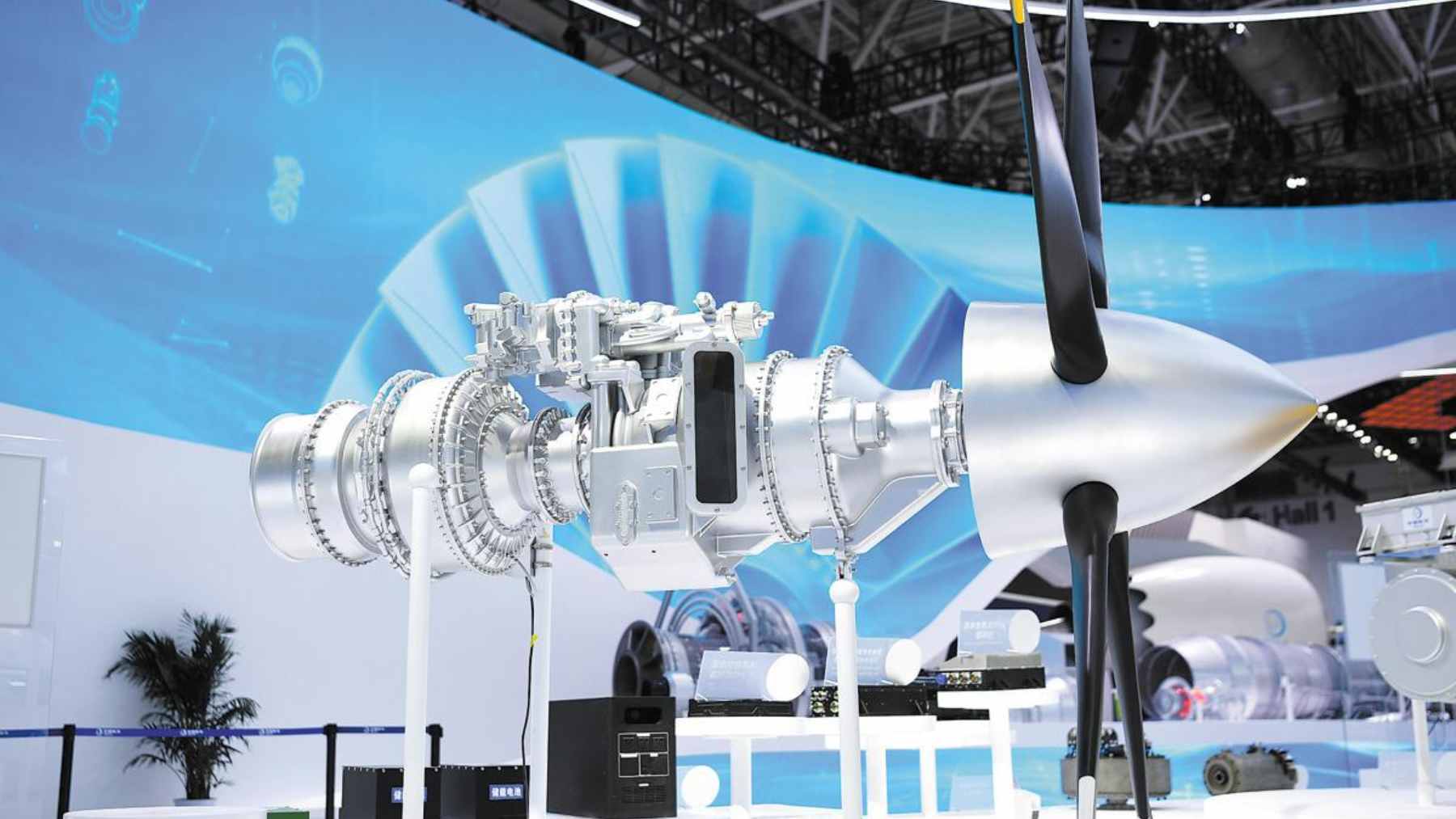
China flew a 7.5-ton unmanned cargo aircraft on April 4, 2026 using a megawatt-class turboprop that burns liquid hydrogen directly, climbing to 984 feet, flying 22.4 miles at 137 mph, and landing 16 minutes later with stable performance end to end
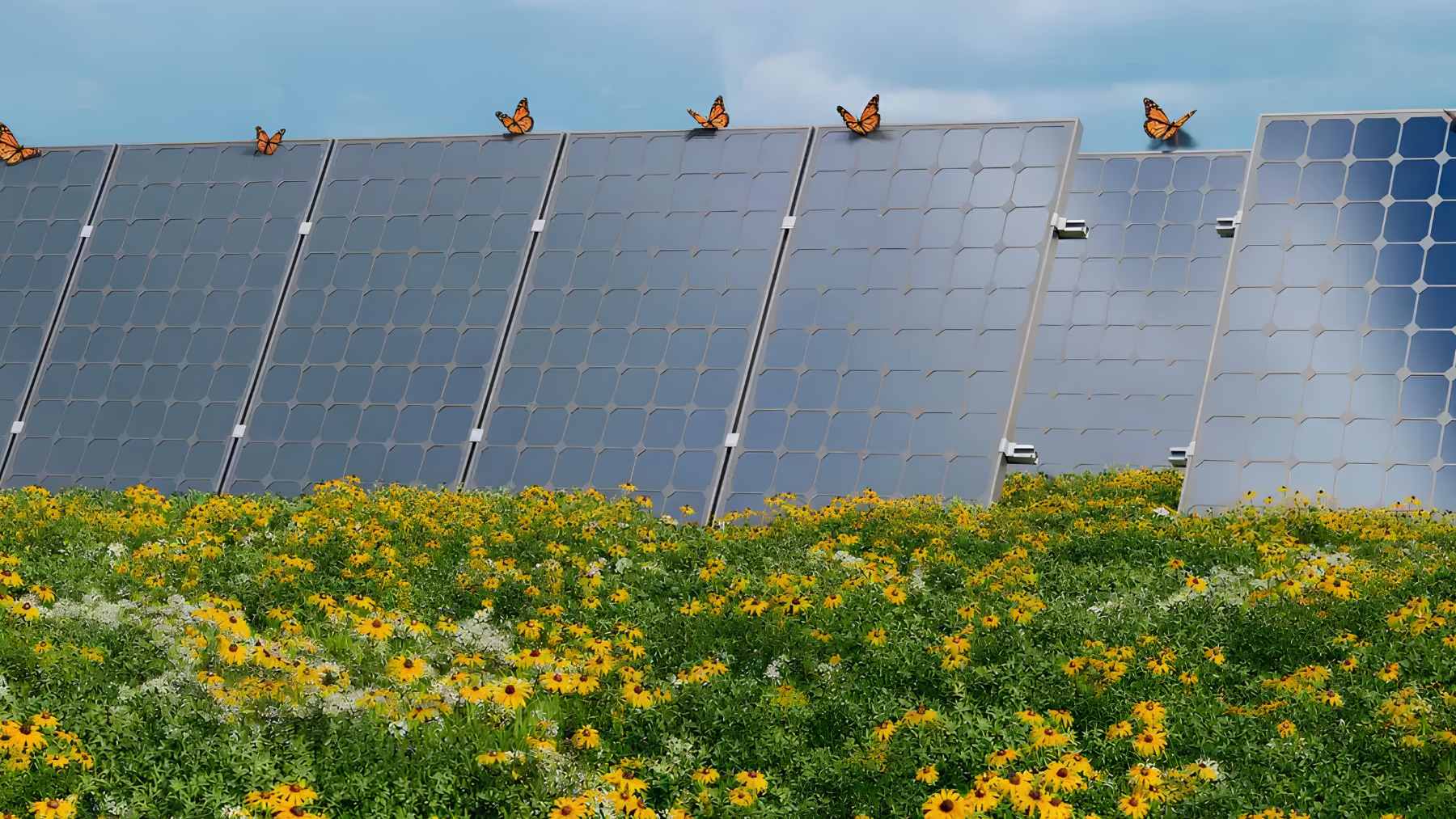
A solar farm planted native flowers under its panels and turned “energy land” into habitat, with monarch butterflies and a surge of plant diversity showing how the ground beneath arrays can become an ecosystem instead of dead space