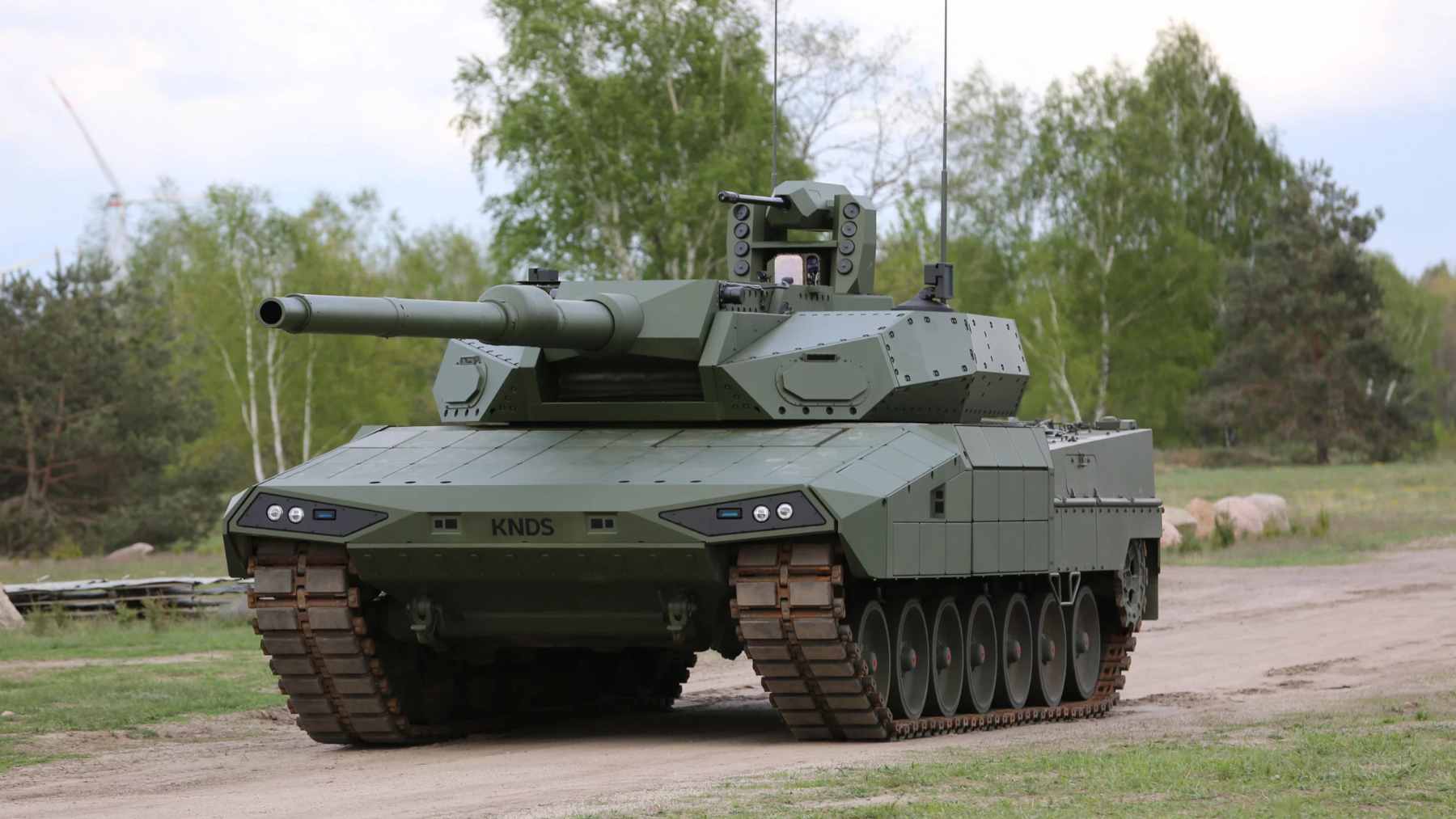
Europe’s best-known tank maker was supposed to be heading for the stock market within weeks. Instead, KNDS, the Franco-German group behind the Leopard and Leclerc tanks, has hit pause on its planned listing while Germany still prepares to become a major shareholder.
The move says a lot about where Europe is right now. Defense spending is rising, investors are watching closely, and the environmental footprint of heavy industry is becoming harder to treat as a side note.
The IPO is on hold
KNDS announced on July 1 that its shareholders intend to resume the initial public offering process once capital market conditions become more favorable. The company pointed to volatility in the European defense sector, while saying it had already completed substantially all required preparation phases for the proposed listing.
Just days earlier, KNDS had laid out plans to list its shares on Euronext Paris and the Frankfurt Stock Exchange. The original plan involved selling up to about 20% of existing share capital through private placements to institutional investors, with no public offering planned for regular retail buyers.
Germany moves in
Berlin’s role is the striking part. Germany reached an in-principle agreement with Wegmann to acquire 40% of KNDS through state development bank KfW, subject to the IPO and other approvals.
Reuters reported that Germany’s parliamentary budget committee later approved the state’s acquisition of a 40% stake, worth up to about $8.2 billion. Defense Minister Boris Pistorius called KNDS “indispensable” for Germany’s land forces, a short phrase that explains the larger strategy.
Why this matters
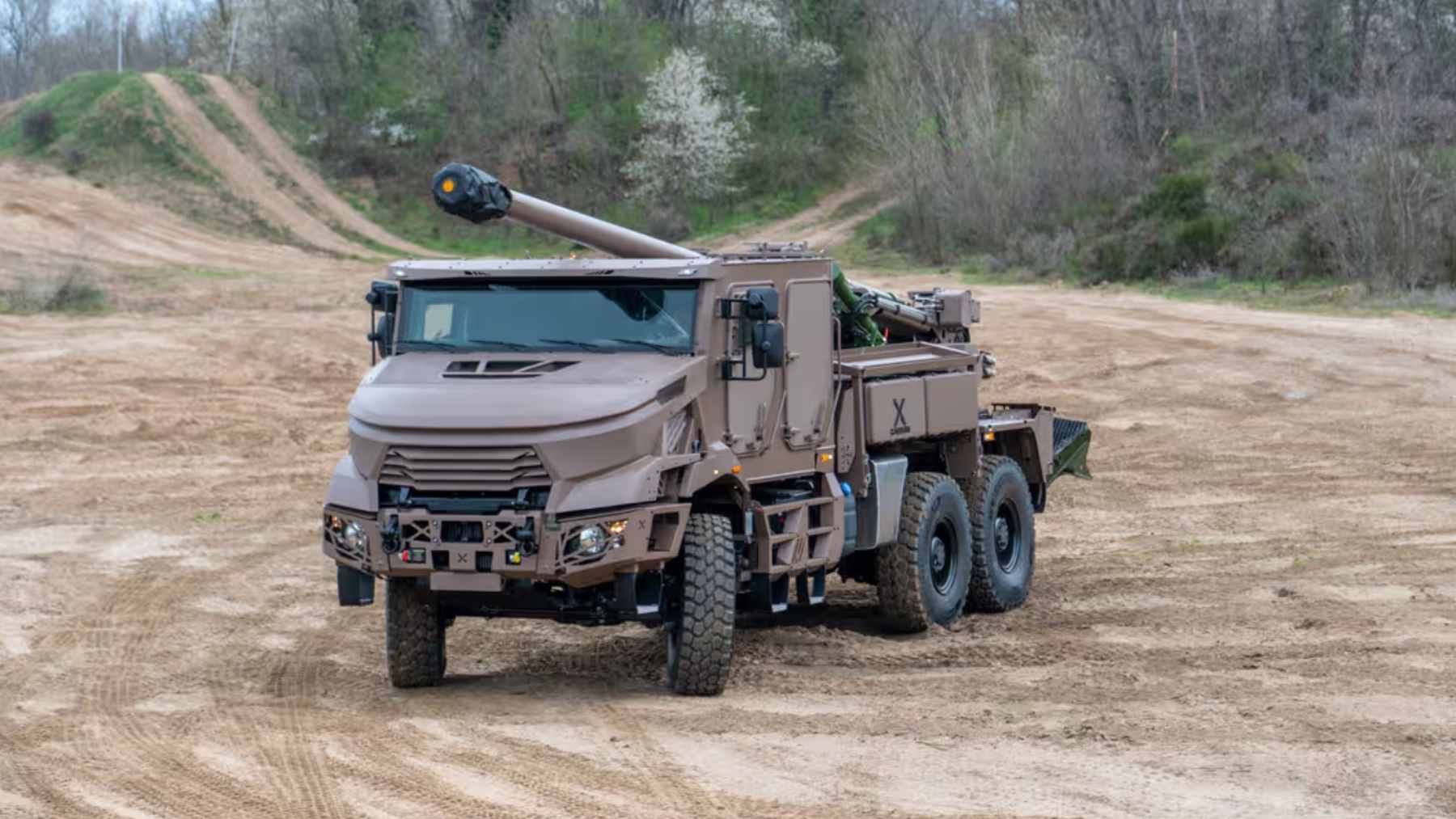
KNDS is not just another industrial company looking for market money. Its products include Leopard and Leclerc tanks, Puma infantry fighting vehicles, and Boxer and Dingo armored personnel carriers, making it a central part of Europe’s land defense supply chain.
The company also looks financially strong on paper. KNDS reported 2025 revenue of about $5 billion, EBIT of roughly $756 million, free cash flow of about $1.1 billion, and a record order backlog of about $37.9 billion.
The green question
Here is the part that often gets buried. A larger defense industrial base means more factories, more suppliers, more energy use, and more scrutiny of emissions. In practical terms, tanks and artillery are not only military assets, they are products of heavy manufacturing.
KNDS’ own ESG Factbook says its 2025 market-based Scope 1 and Scope 2 greenhouse gas emissions reached 56,964 metric tons of CO2 equivalent, or about 62,800 U.S. tons. Its main reported Scope 3 category, purchased goods and services, reached 781,896 metric tons, or roughly 862,000 U.S. tons.
The company reported total energy consumption of 274,802 MWh in 2025, with fossil sources making up 74.2% of the mix and renewables at 12.6%. That is the environmental challenge sitting behind the business story.
A decarbonization target
KNDS says it has set a group-wide target to cut Scope 1 and Scope 2 emissions by 63% by 2035 compared with a 2021 baseline. The company also says the target is aligned with the Science Based Targets initiative approach, but has not been validated by the SBTi.
That nuance matters. A target is useful, but investors and regulators will want to see whether lower emissions can happen while production is ramping up. The trouble is, those two goals do not always move in the same direction.
The next tank era
KNDS is also tied to Europe’s next generation of armored warfare. The MGCS Project Company was legally incorporated in Cologne in April 2025, with KNDS Deutschland, KNDS France, Rheinmetall Landsysteme, and Thales involved in the effort.
The MGCS program is meant to replace the Leopard 2 and Leclerc tanks with a multi-platform ground combat system by 2040. Think of it less as one tank and more as a networked family of vehicles, sensors, and digital systems.
What happens now
For the most part, the IPO delay does not erase the bigger trend. Europe is still spending more on defense, Germany still wants strategic influence over KNDS, and France remains deeply tied to the company’s future.
But the delay does change the mood. Investors now have more time to study not only KNDS’ order book, but also its energy mix, emissions targets, supply chain exposure, and ability to grow without losing control of its environmental commitments.
At the end of the day, KNDS is becoming a test case for a new kind of European industrial policy. Can governments expand defense production, attract private capital, and still meet climate reporting expectations? That is the real story to watch.
The official statement was published on EQS News, and currency conversions use the European Central Bank’s July 9, 2026 reference rate of 1 euro to 1.1435 U.S. dollars.