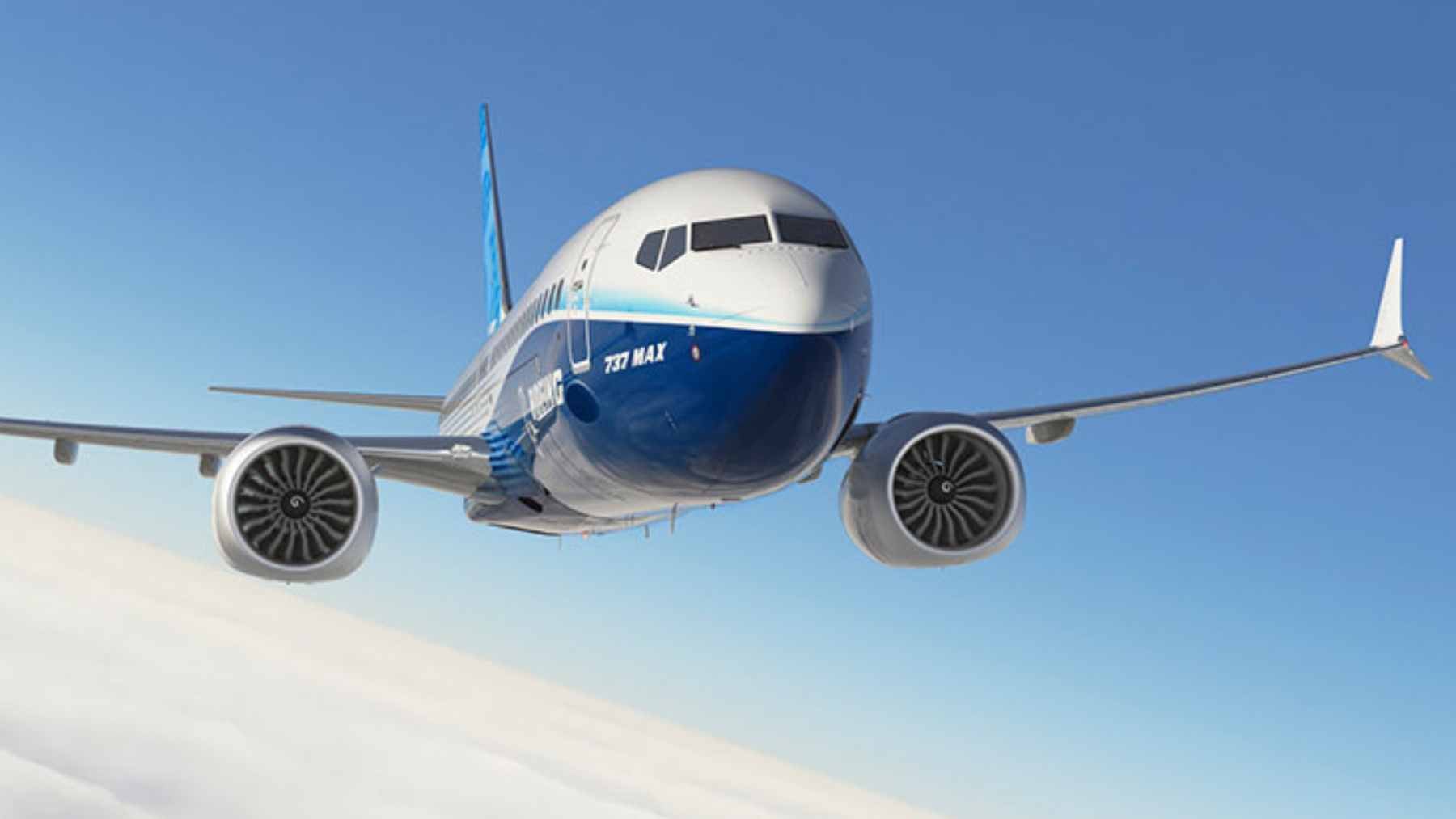
The aviation industry has a new environmental problem hiding in plain sight. Airlines are carrying record numbers of passengers, but many of those travelers are stepping onto older airplanes because manufacturers cannot deliver new jets fast enough.
According to Oliver Wyman’s latest fleet forecast, about 17,000 unfilled aircraft orders were on the books at the start of 2026, a backlog that could take more than 12 years to clear at current production rates.
That matters for passengers, airlines, and the planet, because delayed fleet renewal means slower gains in fuel efficiency at a time when aviation is under pressure to cut emissions.
A greener fleet is stuck waiting
A record 5.2 billion people were expected to travel by air in 2025, while global airline passenger revenue was set to pass $1 trillion for the first time. On paper, that sounds like a booming recovery.
The catch is that the planes carrying those passengers are getting older. Oliver Wyman says the average age of the global commercial fleet approached 13 years in 2025, roughly one-and-a-half years older than in 2024, while average flight hours per aircraft rose 2% year over year.
That is not just an accounting detail. Newer aircraft usually burn less fuel, so every delayed delivery can slow the industry’s environmental progress. By Oliver Wyman’s reading, the production lag is already putting sustainability targets at risk, with fuel efficiency expected to improve by only 1% in 2026, below the 1.5% to 2% annual gains seen in earlier years.
Why factories cannot catch up
So why not just build more jets? In practical terms, it is not that simple.
The aircraft supply chain has been squeezed by raw material shortages, labor constraints, geopolitical volatility, tariffs, and the difficulty of ramping up production after years of disruption. Oliver Wyman also points to rising military and defense aircraft demand as another pressure on commercial aviation deliveries.
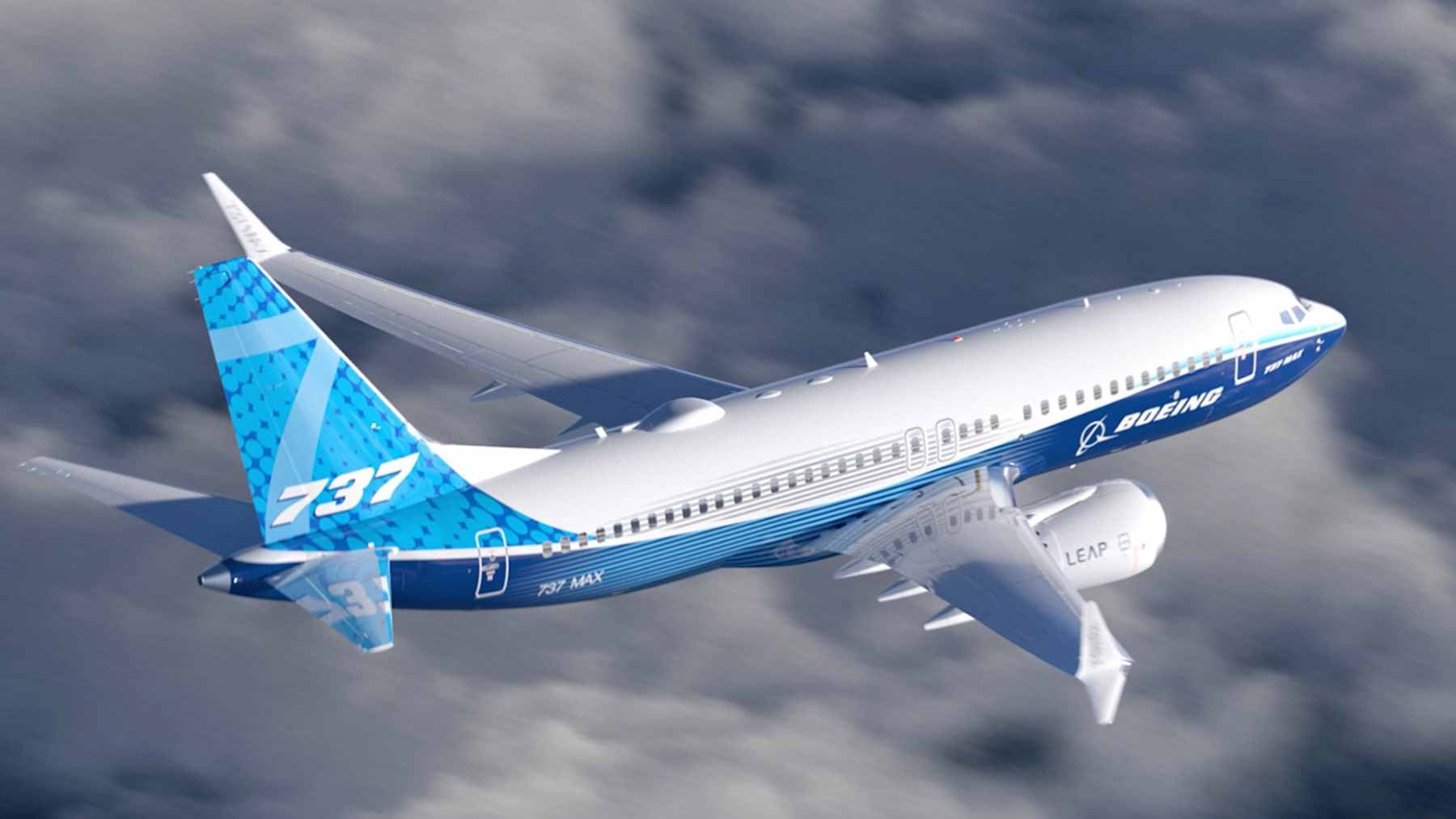
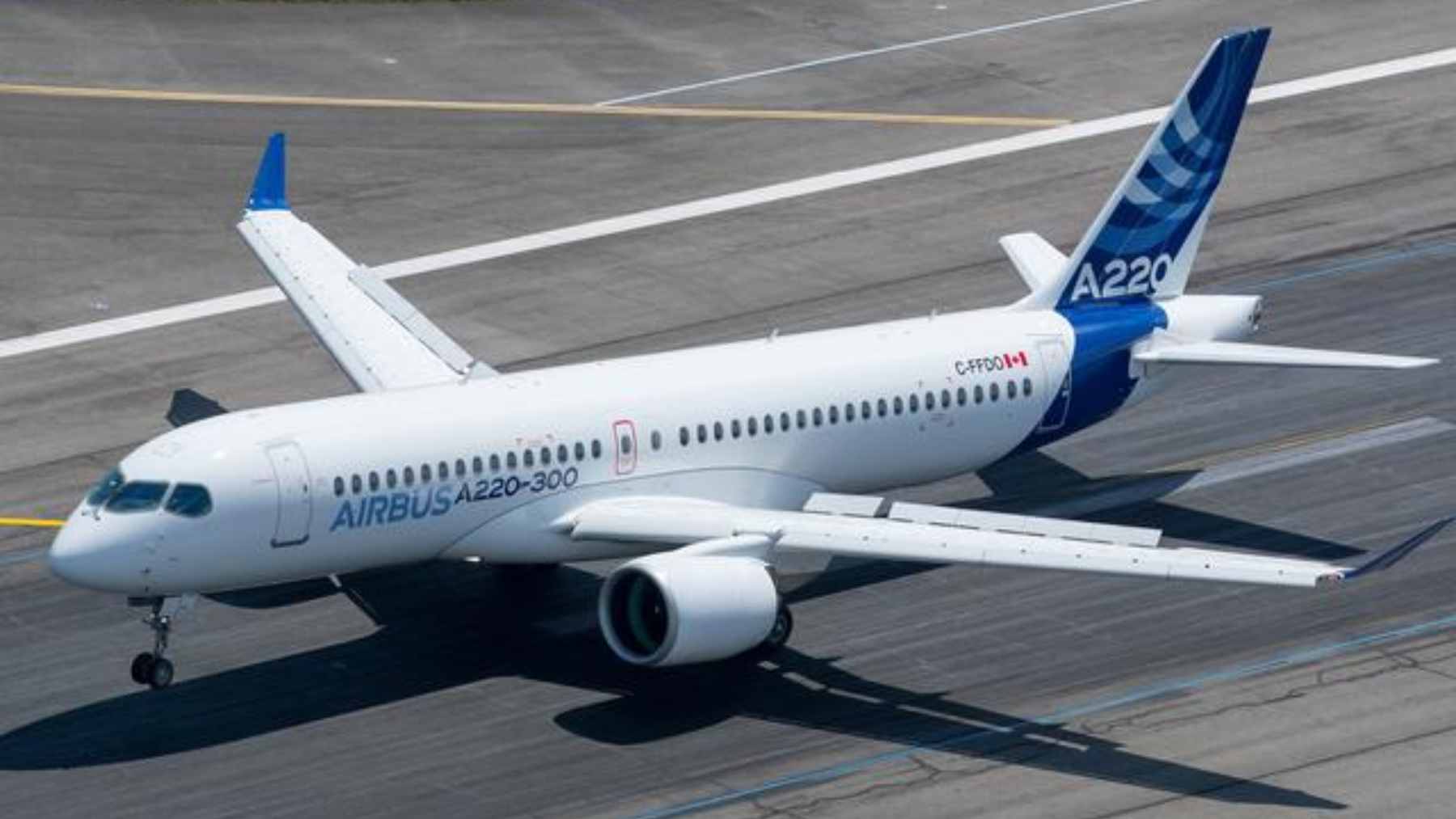
Airbus and Boeing remain the two giants at the center of the market, but both have struggled to hit their own ambitious production targets. Airbus held 49% of the order book and Boeing 38%, while narrow-body jets dominated new orders because airlines want more efficient single-aisle aircraft for busy routes.
Defense demand adds pressure
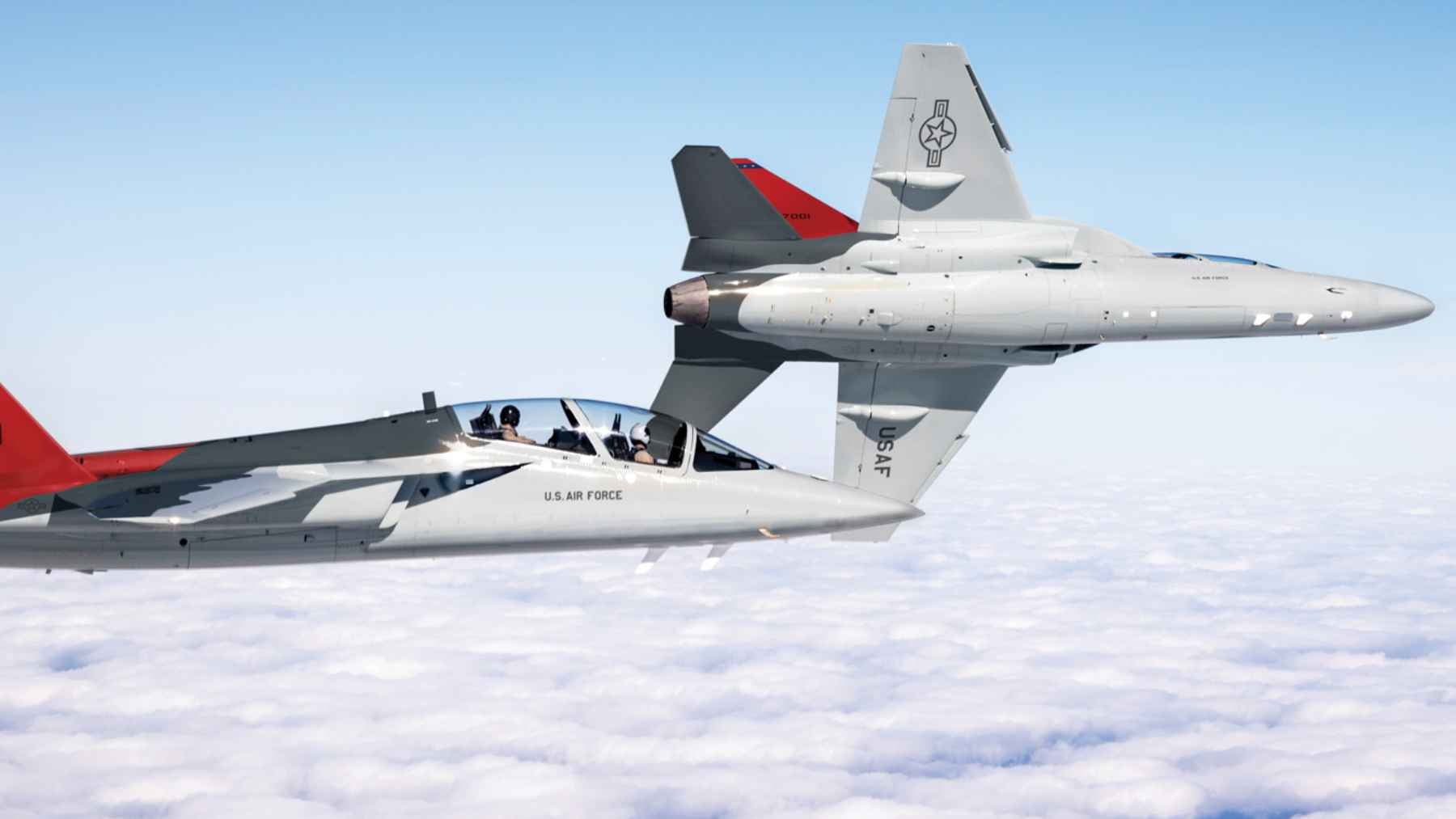
The defense side of aviation is growing too, and that creates a tougher race for materials, parts, engines, and skilled workers. It is not hard to see the problem. The same industrial base that supports passenger jets is also being asked to respond to a more tense military world.
Oliver Wyman’s military aviation outlook projects the global military aircraft fleet will expand 13.4% over the next decade, rising from 44,700 aircraft at the beginning of 2026 to 50,700 at the beginning of 2036. A growing share of that spending is expected to go toward combat drones and other advanced aircraft.
For commercial airlines, that means competition is not only coming from other carriers. It is also coming from defense programs that need engines, avionics, titanium, composites, and trained technicians. The trouble is, factories cannot stretch overnight.
Maintenance becomes the new battlefield
When airlines cannot get new planes, they keep older ones flying. That pushes maintenance, repair, and overhaul work into the spotlight.
Oliver Wyman estimates global MRO demand reached $136 billion in 2025, up from $126 billion in 2024. By the end of the decade, spending is expected to approach $193 billion, nearly double the 2019 level.
Engines are one of the most sensitive pieces of this puzzle. The industry relies heavily on a limited number of next-generation turbofan systems for single-aisle jets, and when engine repairs or parts supplies fall behind, airlines feel it quickly. For passengers, that can mean higher fares, fewer spare aircraft, and more fragile schedules during peak travel weeks.
Workers are retiring faster than replacements arrive
There is also a human side to the aviation bottleneck. Aircraft do not maintain themselves, and the people who know how to keep them safe are aging out of the workforce.
Oliver Wyman says about 41% of certified mechanics in the United States are over 60 years old, and around 45,000 mechanics are expected to retire in the next decade. Air traffic controller staffing is also a concern, with hiring rates struggling to close the gap created by retirements.
That is why this shortage is not only about assembly lines. It is about training schools, apprenticeships, hangar capacity, leadership pipelines, and the less glamorous work that keeps an airplane ready for the next flight. No passenger sees that work when boarding, but everyone depends on it.
What passengers may notice
For travelers, the first visible effect may be price. Oliver Wyman expects consumers to face higher ticket prices because of higher costs across the system and the basic reality of supply and demand.
There may also be more pressure on schedules. When fleets are older and used more heavily, airlines have less room for error when maintenance issues, weather, labor disruption, or air traffic delays appear at the same time.
Still, the bigger story is environmental. Aviation has promised cleaner growth, but that promise depends heavily on replacing older jets with more efficient ones. If those new aircraft stay trapped in a 17,000-plane backlog, the industry’s green transition moves more slowly than passengers may realize.
The next decade matters
Oliver Wyman forecasts the global commercial fleet will grow from about 30,046 aircraft in 2026 to 41,135 by 2036, a compound annual growth rate of 3.2%. China is expected to add the most aircraft over the decade, while India is projected to post the fastest fleet growth rate at 7.1%.
At the end of the day, aviation’s challenge is not a lack of demand. It is whether the industry can build cleaner aircraft, repair older fleets safely, train enough workers, and manage defense-sector pressure without pushing climate targets further out of reach.
The official report was published on Oliver Wyman.